

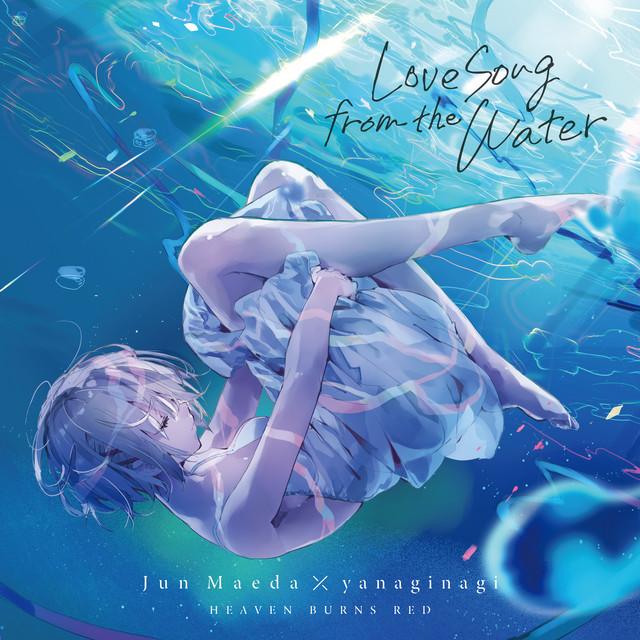
About
Overview
Jun Maeda (麻枝 准, born Jun Maeda 前田 純 on January 3, 1975, in Ise, Mie Prefecture) is a Japanese game creator, scenario writer, screenwriter, lyricist, composer and music producer. A co-founder of the visual novel brand Key under Visual Arts, he is widely regarded as a pioneer of nakige ("crying games") and as one of the central figures who made Key a household name through both his scenarios and his music. In recent years he has expanded into TV anime, manga original stories, concept albums and prose fiction. Fans affectionately call him "Daamae."
Career
Early life
Maeda grew up on gamebooks, including J.H. Brennan's Grailquest series, and began making his own in elementary school. He wrote short stories for the school newspaper, made cassette-tape dramas in junior high, and became devoted to TM NETWORK. In high school he began composing, and at Chukyo University (psychology) he repeatedly entered Kadokawa's The Sneaker fiction contests and formed small music units. While writing his graduation thesis he began listening to techno.
From job hunting to Key
Maeda first aimed to compose game music at companies such as Nihon Falcom, Namco and Capcom, but was rejected. He then turned to scenario writing and, after writing a roughly 300-page story, joined the adult game maker Scoop, where in 1997 he was lead scenario writer on Chaos Queen Ryōko before leaving soon after. He next joined Tactics (a brand of Nexton), writing scenario and music for Moon and scenario for One: Kagayaku Kisetsu e (1998). He was also inspired around this time by Hiroyuki Kanno's YU-NO. He then left Tactics, together with much of the staff, including Itaru Hinoue, to join Visual Arts and establish Key.
The Key years
Key's first title, Kanon (1999), was a major hit. After Naoki Hisaya left the company, Maeda planned and wrote most of Air, also serving as lyricist and one of its composers. After a difficult development of about three and a half years, Key released Clannad (2004), its first all-ages title and its longest game; Maeda wrote around 75% of it, and it is regarded as the culmination of his work. In 2004 he also began his first manga original story, Hibiki's Magic, which went on long hiatus, resumed in 2013 and concluded in six volumes. Tomoyo After: It's a Wonderful Life (2005), a freer spin-off, drew heavy criticism and left him on leave for a time; he returned to plan and write Little Busters! (2007). In early 2007 he announced he was stepping back from writing, but he continued to compose.
Anime and recent work
At Aniplex's invitation he created the original anime Angel Beats! with P.A. Works (aired April 2010) as planner, writer and composer, and later co-wrote the Angel Beats! visual novel. Charlotte followed in July 2015, with Maeda writing scripts and the music for the in-show band. In 2016 he was hospitalized and revealed he had idiopathic dilated cardiomyopathy; he returned to social media on July 2 that year. Prompted by singer Anri Kumaki, he completed the album Long Long Love Song (July 2017), and formed the unit Satsubatsu Kids with singer-songwriter Hyon, releasing Hikikomori Songs at Comiket 93 and in general release in May 2018. He also provided the original concept and music for Key's Summer Pockets.
In November 2019 he announced the all-new game Heaven Burns Red, which was officially released on February 10, 2022. The anime The Day I Became a God, built around a "return to origins" theme, aired from October 2020. On May 17, 2021 he published his first novel, Nekogarizoku no Osa, which he described as the first thing he wrote purely because he wanted to.
Maeda has been very active musically. In 2025 he released singles and remixes including "Sayonara Early Summer" (January), "Goodnight Seven Seas" (February), "Oort no Kumo" (March) and "Taiyō Kōro" (August), followed by Heaven Burns Red Remix Album:Alice (October) and the album Welcome to the Dying Season (November). From late December 2025 into January 2026 he issued a near-weekly run of singles ("Kono Koi wa Jiken da," "Daigo no Kisetsu," "Moekasu no Sanka," "Ghost in the Snow" and "Kiss You Goodnight"), and a "Daigo no Kisetsu (Tyrant Remix)" arrived in February 2026.
Style and themes
Maeda's recurring themes are death and family, including family-like groups. Through Air he focused on mother-daughter relationships, later shifting toward friendships among larger casts; in Angel Beats! he set the story in the afterlife to rework the well-worn theme of death. He often layers a fantastical world over a realistic one, an approach he links to Haruki Murakami's Hard-Boiled Wonderland and the End of the World and the music of BT. He also studied his colleague Naoki Hisaya's scenarios closely and absorbed elements of them into his own writing.
His prose is closer to lyric writing than to conventional fiction, favoring short lines. He excels at pairing unrelated ideas to create emotional or comic contrast, and his scenarios swing sharply between serious drama and comedy. As a composer he has written lyrics and music for nearly all Key games except planetarian, with songs released through Key Sounds Label.
Discography
第五の季節 (Tyrant Remix)
1 track
Kiss You Goodnight
1 track
Ghost in the Snow
1 track

燃えかすの賛歌
1 track

第五の季節
1 track

この恋は事件だ
1 track
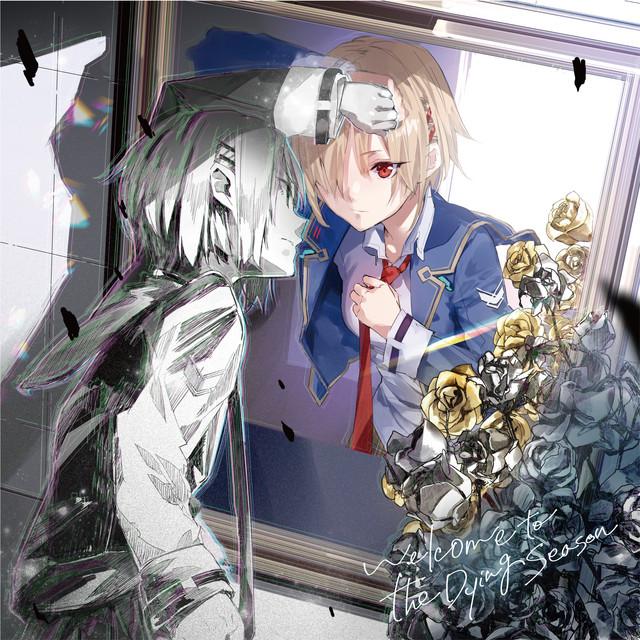
Welcome to the Dying Season
14 tracks
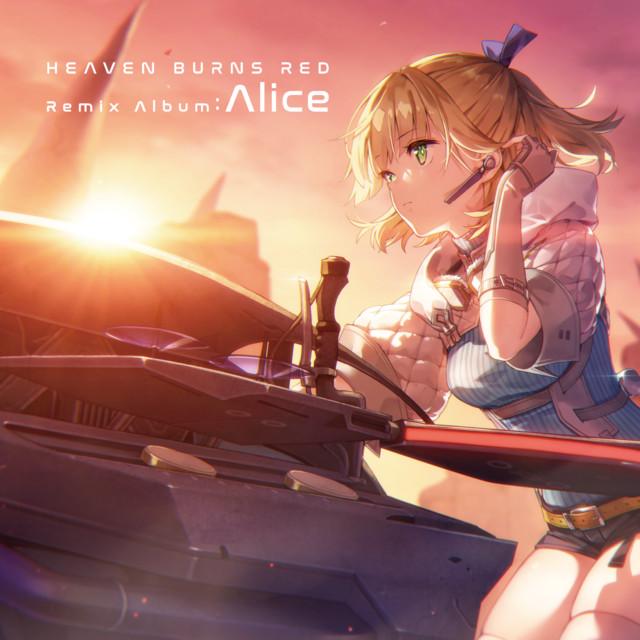
Heaven Burns Red Remix Album:Alice
13 tracks

太陽航路
1 track
Goodnight Seven Seas (Cliff Remix)
1 track