

About
Overview
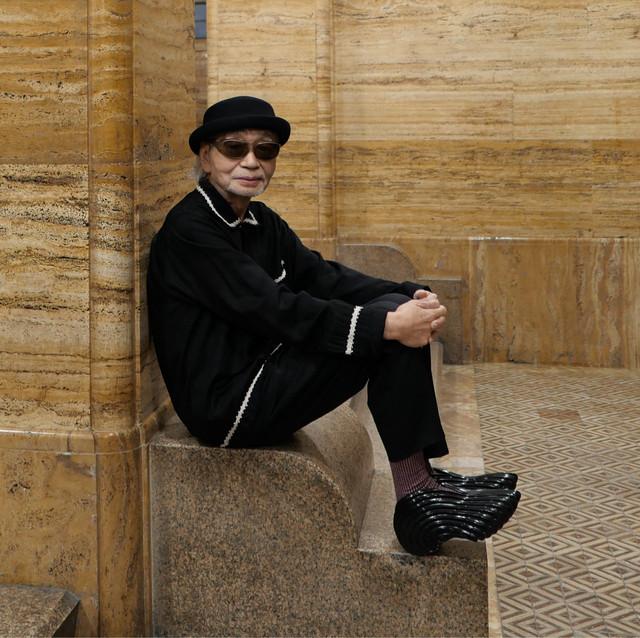
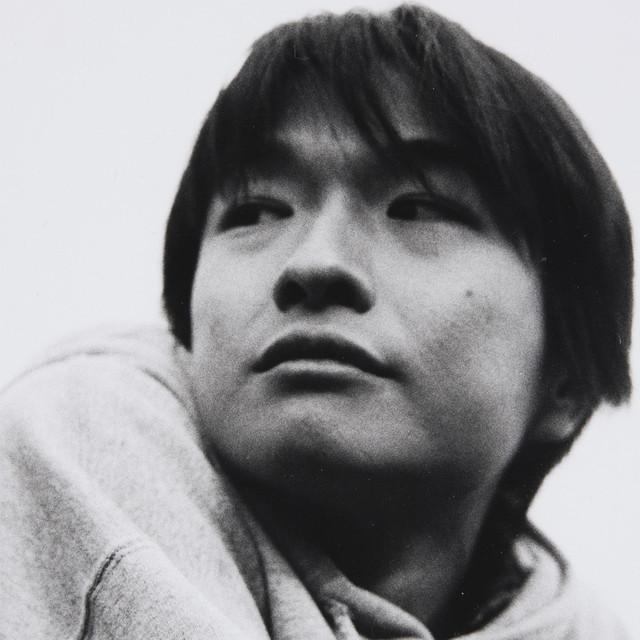
Haruomi Hosono (細野 晴臣, born July 9, 1947), sometimes credited as Harry Hosono, is a Japanese musician, singer, songwriter and record producer. He is regarded as one of the most influential figures in the history of Japanese pop, credited with shaping its sound for decades and inspiring genres such as city pop and Shibuya-kei. As the leader of Yellow Magic Orchestra (YMO), he helped pioneer numerous electronic genres. In 2003 HMV ranked him number 44 on its list of the top 100 Japanese pop acts, and he received the Minister of Education, Culture, Sports, Science and Technology Award in the Japanese Art Encouragement Prize (popular entertainment category) for fiscal 2007.
Career
Early life
Born in Minato, Tokyo, in 1947, Hosono is the grandson of Masabumi Hosono, the only Japanese passenger on the Titanic's maiden voyage and a survivor of its sinking; his maternal grandfather, Takao Nakaya, was a piano tuner. He grew up around popular music, began playing guitar and forming bands around age 15, and briefly aspired to be a manga artist before deciding on music after being impressed by the talent of his classmate Ryohei Nishigishi. Folk music and Bob Dylan were major early influences.
Apryl Fool, Happy End and Tin Pan Alley
Hosono took up bass while at Rikkyo University and made his major debut in 1969 as bassist of the psychedelic rock band Apryl Fool. He then formed the influential Happy End with Takashi Matsumoto, Eiichi Ohtaki and Shigeru Suzuki. Although he initially opposed singing rock in Japanese, the band laid the foundation of Japanese-language rock. His composition "Kaze wo Atsumete" (1971) later appeared in the film Lost in Translation and on its 2003 soundtrack.
After Happy End disbanded, Hosono formed Caramel Mama with Shigeru Suzuki, Tatsuo Hayashi and Masataka Matsutoya; the group became Tin Pan Alley and worked as a playing and production team for artists including Yumi Arai and Akiko Yano. His first solo album, Hosono House (1973), was recorded at his home in the "American Village" of Sayama, Saitama. His early-1970s work also included electric upright bass on Yosui Inoue's Kori no Sekai (1973) and Osamu Kitajima's Benzaiten (1974), both of which used synthesizers.
The "Tropical Trilogy" — Tropical Dandy (1975), Tai-an Yoko (1976) and Paraiso (1978) — blended New Orleans, Okinawan, Hawaiian and Chinese music in an exotica-flavored vision of paradise and drew attention from overseas listeners. Paraiso, recorded in late 1977 with Ryuichi Sakamoto and Yukihiro Takahashi as "Harry Hosono and the Yellow Magic Band," used the Yamaha CS-80 and ARP Odyssey synthesizers. A dinner-show concert at a Yokohama Chinatown restaurant on May 8, 1976 was first issued on CD in 2007 in the box set Harry Hosono Crown Years 1974-1977. In 1978 he also released Cochin Moon, an experimental "electro-exotica" soundtrack to a fictional Bollywood film made with Tadanori Yokoo, Sakamoto and Hideki Matsutake, and the album Pacific with Sakamoto and Takahashi, which included an early version of "Cosmic Surfin'."
Yellow Magic Orchestra
In 1978, with a growing interest in synthesizers, computers and disco, Hosono formed YMO with Yukihiro Takahashi and Ryuichi Sakamoto. The group's self-titled debut contained substantial video game sounds, and by 1980 YMO had sparked a boom in Japan. Hosono also wrote songs for idols and pop singers and co-founded the ¥EN label with Takahashi. He produced Video Game Music (1984), an album of arranged Namco arcade sounds regarded as an early chiptune record and the first video game music album, helping establish game music as a genre. That year he also produced the theme song for Hayao Miyazaki's Nausicaä of the Valley of the Wind, sung by Narumi Yasuda.
After YMO
Following YMO's disbandment in 1983, Hosono moved to Teichiku and launched the Non Standard and Monado labels. Non Standard introduced Pizzicato Five and World Standard; he scored the film Night on the Galactic Railroad. Monado released experimental "sightseeing music," including his soundtrack for Paradise View. At Takashi Matsumoto's request he wrote for Seiko Matsuda, and he also wrote for her rival Akina Nakamori. In 1986 his band Friends of Earth (F.O.E), a funk-and-techno blend, opened for James Brown in Japan and collaborated with Brown and Maceo Parker on a remake of "Sex Machine." He moved to EPIC/SONY in 1989, releasing Omni Sight Seeing and scoring The Tale of Genji-related film work, followed by Medicine Compilation, and later film scores such as Maison de Himiko. In the late 1980s and early 1990s, world music influences deepened, and he worked with international artists such as Amina Annabi. In 1995 he formed Love, Peace & Trance with Mimori Yusa, Miyako Koda and Mishio Ogawa.
1990s onward
Disillusioned with consumer society before the collapse of Japan's bubble economy, Hosono explored world music in the late 1980s and ambient music in the 1990s, seeking music that would not be mass-consumed. He founded the Daisyworld label in 1996, releasing experimental artists from Japan and abroad and collaborating on releases such as World Standard, HAT (Hosono, Atom Heart, Tetsu Inoue) and Quiet Logic by Mixmaster Morris and Jonah Sharp. The Orb paid tribute with a series of remixes.
In 2002 he formed Sketch Show with Yukihiro Takahashi, creating folky electronica; with Ryuichi Sakamoto they also performed as Human Audio Sponge. In 2007 YMO released "RYDEEN 79/07" and HASYMO released "RESCUE."
In September 2005, at the Hyde Park Music Festival in Sayama, he sang songs from Hosono House for the first time in years, then formed Tokyo Shyness and the Harry Hosono Quintet for country-and-western-style performances, culminating in the 2007 album Flying Saucer 1947. A tribute album was released in April 2007 on Sakamoto's commmons label, a tribute concert was held at Hibiya Open-Air Concert Hall that July, and a second tribute album followed in 2008.
Recent activity
Hosono served as visiting professor at Kyoto Seika University's Faculty of Popular Culture for four years from 2013. In 2015 his column "Let's Listen to Movies" won the 42nd Kinema Junpo Readers' Prize, and he received the Asahi Prize for fiscal 2020. In 2025 he gave a speech at the first MUSIC AWARDS JAPAN ceremony, where YMO was chosen as the award's symbol. On March 2, 2026 he received the Watanabe Shin Award, with actor Masaki Suda attending to give a congratulatory speech.
His release schedule has been busy: in 2024 came "Kaze no Tani no Nausicaä (2024 ver.)," "Boku wa Issun," "Fuyugoe," the album Quiet Logic (April), "Fuku wa Uchi Oni wa Soto" featuring The Mizuhara Sisters (May), "Bara to Yaju" (July), "Koi wa Momoiro" (September) and the album Hosono House Covers (November). In 2025 he released "Nettaiya" and the live album Japanese Pop Harpsichord, recorded at the Superspectives festival 2024 at the Lyon Opera. In 2026 releases include the live album Harry Hosono & Tin Pan Alley in China Town 1976, the singles "Note of Mothership" and "Sincerely," and the albums Yours Sincerely and Yours Sincerely (Stella Edition).
Musical style
Best known as a bassist, Hosono is also a multi-instrumentalist who plays guitar, piano, organ, drums, vibraphone, xylophone and shamisen. He moves freely among rock, folk, country, exotica, world music, electronica, ambient and film scoring, typically combining whichever styles interest him at the time. Involved in electronic music since the early 1970s, he was also among the first producers to recognize the appeal of video game sounds. Influenced by Bob Dylan, he is reportedly not fond of his own low voice and has cut its low frequencies with an equalizer on some recordings, such as YMO's "Rap Phenomena." His work is widely seen as a wellspring of city pop and Shibuya-kei.
Videos
Popular Videos
Latest Videos
Related artists






Discography

Yours Sincerely (Stella Edition)
11 tracks
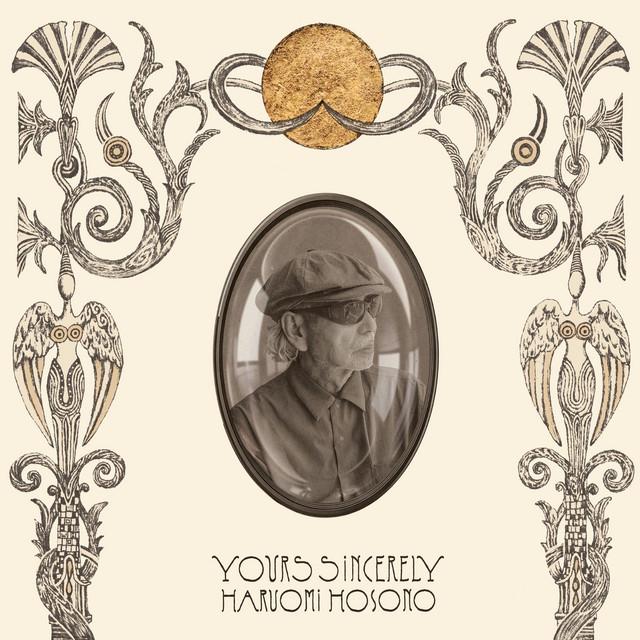
Yours Sincerely
10 tracks
Sincerely
1 track
Note of Mothership
1 track
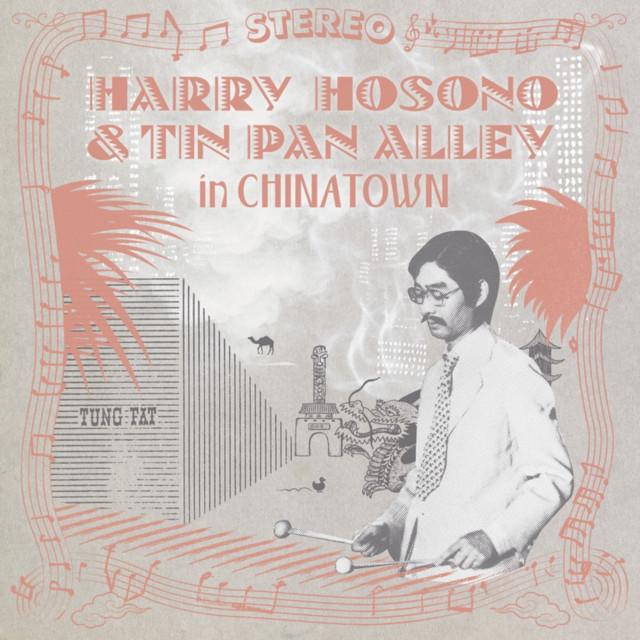
HARRY HOSONO & TIN PAN ALLEY IN CHINA TOWN 1976 (Live)
15 tracks
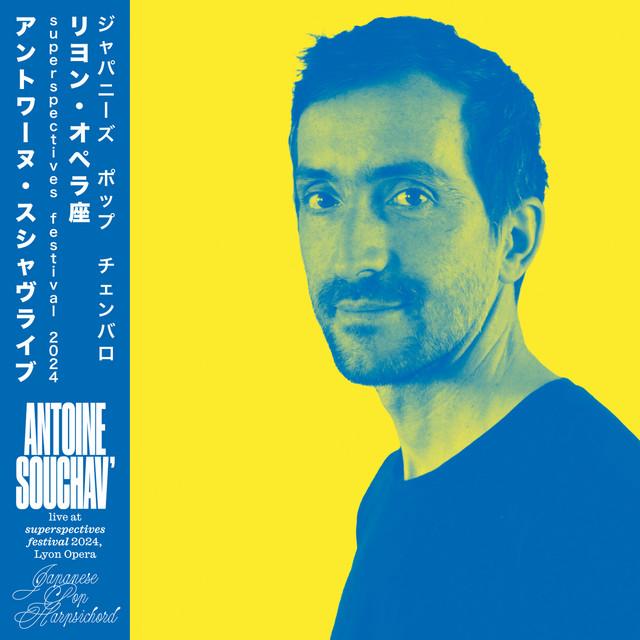
Japanese Pop Harpsichord - Live at Superspectives festival 2024, Lyon Opera
11 tracks
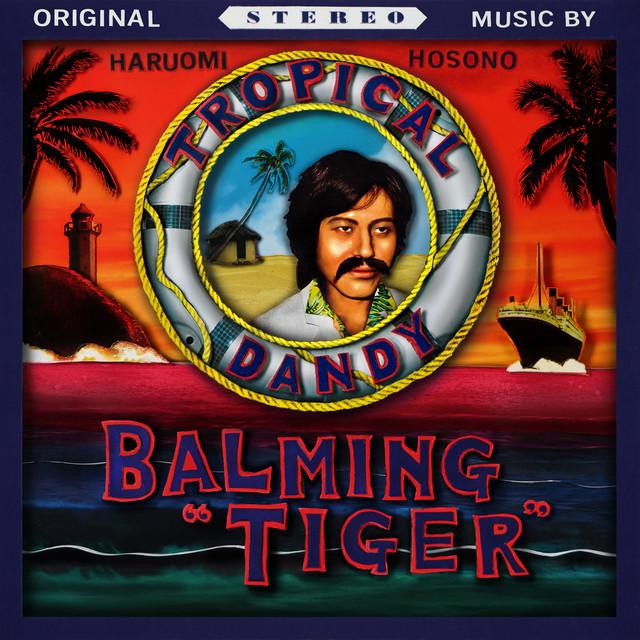
熱帯夜
1 track
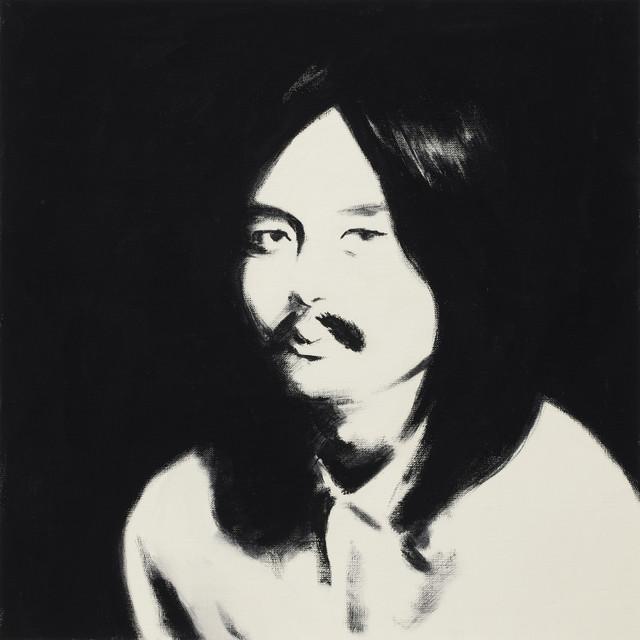
HOSONO HOUSE COVERS
13 tracks
恋は桃色
1 track
薔薇と野獣
1 track