


About
Overview
Kan Kimura (木村 和, September 24, 1962 – November 12, 2023), known as KAN, was a Japanese singer-songwriter born in Fukuoka. He is best known for "Ai wa Katsu," a single that sold more than two million copies and won the Grand Prix of the pop/rock category at the 33rd Japan Record Awards. As of 2010 he had released 33 singles and 15 studio albums, and according to Oricon sold over 4.6 million albums and singles in Japan. In the first half of the 1990s he scored five top-ten singles and four top-ten albums.
Career
Early life and beginnings
KAN studied classical piano from childhood. In junior high he taught himself guitar and copied the Beatles, and in high school Billy Joel's album 52nd Street inspired his love of piano rock. He entered Hosei University in 1981, joined the fusion band Annette in 1983, and in 1984 won an excellence prize at Yamaha's East West '84 finals and an encouragement prize at Shueisha's Sound Contest '84.
Debut and "Ai wa Katsu"
He signed with Light Links Corporation in 1986 and scored Nobuhiko Obayashi's film that year. On April 25, 1987, he debuted on Polydor Records with the single "Terebi no Naka ni" and an album of the same name. For about three years he had no major hit, yet released seven singles and four albums.
"Ai wa Katsu," from his fifth album, was used as an ending theme in summer 1990 without much impact. After it became the ending theme of Fuji TV's Kunichan no Yamadakatsutenai TV in January 1991, it became a huge hit, charting on Oricon for 52 weeks. It won the 33rd Japan Record Award, and KAN appeared on the 42nd NHK Kohaku Uta Gassen, performing in a Mozart-style wig and costume to mark the 200th anniversary of Mozart's death. His composition "Sayonara Dakedo Sayonara ja Nai" for Yamadakatsutenai Wink also became a graduation-song standard, and he received the 29th Golden Arrow Award for music. He also made his acting debut in the TBS drama Nekketsu! Shinnyu Shain Sengen that year.
Label changes and study in France
He moved to Mercury in 1996, performing "Ai wa Katsu" in Chinese at a music expo in Guangzhou that November, and to Warner from the December 1997 single "Dora Dora Drive Daisakusen," releasing TIGERSONGWRITER in March 1998. In April 1999 he married violinist Sakurako Waseda. In 2001 he moved to BMG JAPAN and released two singles and one album.
In February 2002, pursuing his dream of "becoming French," he moved to Paris and paused his activities in Japan. He enrolled in the piano department of the École Normale de Musique de Paris in January 2003, completed the third division in June 2004, and returned to Japan on July 20.
After returning to Japan
In 2005 he began his first solo piano-and-vocal tour, "Hikigatari Battari #1." He released the single "Curry Rice" in February 2006 after 4 years and 5 months, performed his first Shanghai concert in May, and released the album Harukanaru Mawarimichi no Mukou de on August 30, his first in five years. The single "Sekai de Ichiban Suki na Hito" followed in November, and the compilation IDEAS the very best of KAN in 2007. He appeared in the 2007 film Love/Death, his first acting work in about 16 years, and released a live album in 2008.
In February 2010 he released the single "Yokereba Issho ni," followed in March by the album Kanchigai mo Hanahadashii Watashi no Jinsei, which included his first collaboration with admired artist ASKA. In October he moved to J-Peroom and on October 27 reissued 12 out-of-print albums plus Songs Out of Bounds as the remastered "THE RESTORATION SERIES." In 2011 he appeared in Koki Mitani's film The Magic Hour, performed at J-FEST 2011 in Moscow, and released the single "Listen to the Music."
He released the single "Sakura Night Fever" in 2015 and, on February 3, 2016, the album 6×9=53, his first in about six years. That month, Kobushi Factory covered "Sakura Night Fever." He also released the live album Hikigatari Battari #19 in June 2016, la RINASCENTE in 2017 and la RiSCOPERTA in 2018.
Final years and death
On February 26, 2020, he released the single "Pop Music," his first in five years, which Juice=Juice covered in April. The album 23-sai, released on November 25, 2020, became his last in his lifetime; its track "Extra" was covered by Masaki Fukumura the next year. The single "Kasanaru Kiseki" followed in April 2021.
In January 2023 he moved to Upfront Create. On March 18 he announced a diagnosis of Meckel's diverticulum cancer and canceled a tour planned for April. His zetima-label catalog from 2006 onward reached streaming services on November 3, and he died on November 12, 2023, at age 61. A private funeral was attended by friends such as Kaname Nemoto and Toshihide Baba.
Posthumous tributes
In December 2023 he was announced as recipient of the 65th Japan Record Awards Special Achievement Award. On December 12, KAN with His Friends — aiko, Tortoise Matsumoto, Sukima Switch, Kaname Nemoto, Motohiro Hata, Toshihide Baba and Noriyuki Makihara — released "KAN's Christmas Song 2023." His Polydor and Mercury-era catalog, including "Ai wa Katsu," came to streaming services. On November 12, 2024, the first anniversary of his death, the tribute concert KAN Tabile at Pia Arena MM featured many fellow musicians and ended with everyone singing "Ai wa Katsu." TBS aired the special documentary KAN Special Document "Saigo ni Ai wa Katsu" on December 30, 2024.
Name
His given name 和 (Kan) was chosen by his father, an RKB Mainichi Broadcasting producer and musician. Because the reading is uncommon, KAN chose a romanized stage name, and released a mail-order-only CD under his real name, Kimura Kan.
Musical style
Classified under kayōkyoku, J-POP and enka, KAN built his songwriting on a classical piano foundation and the piano rock of the Beatles and Billy Joel. He was known for piano-centered original songs, solo performances in the "Hikigatari Battari" series, and compositions for other artists.
Related artists


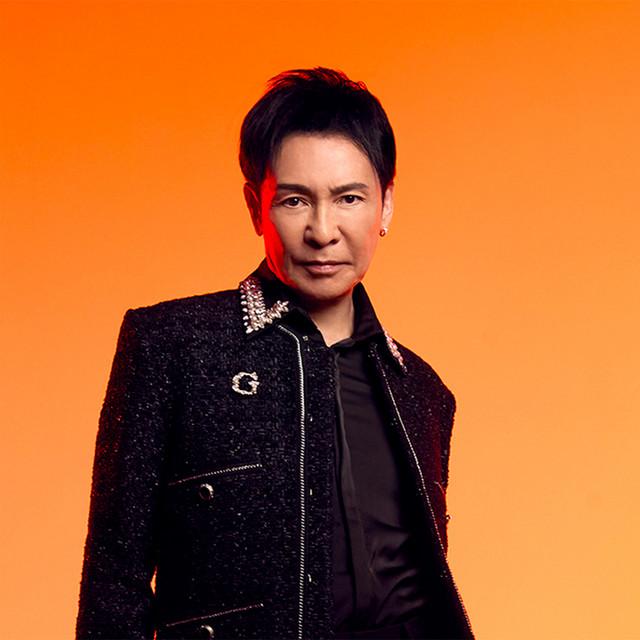




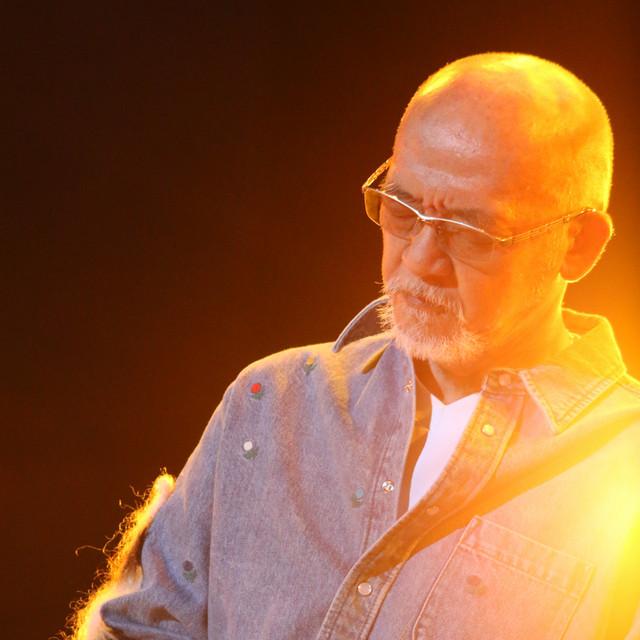

Discography
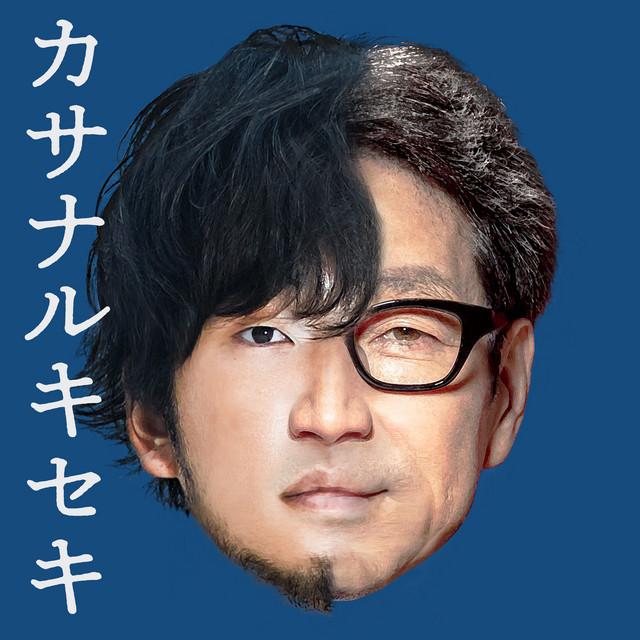
カサナルキセキ
1 track

23歳
10 tracks

ポップミュージック
4 tracks
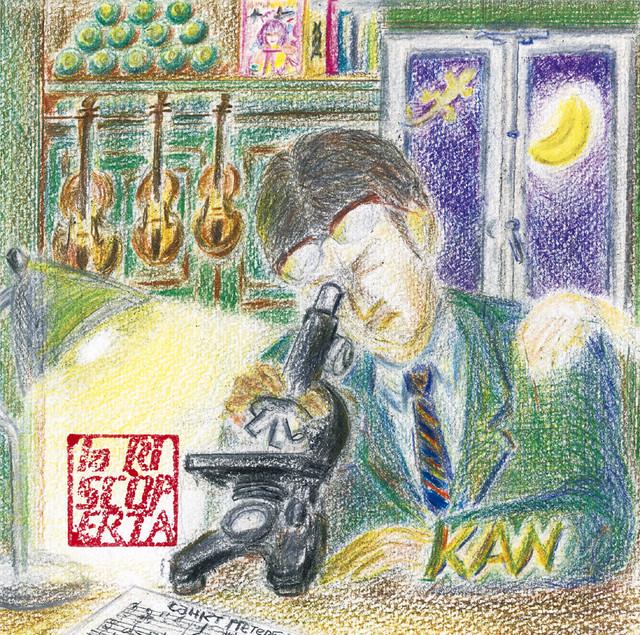
la RiSCOPERTA
10 tracks
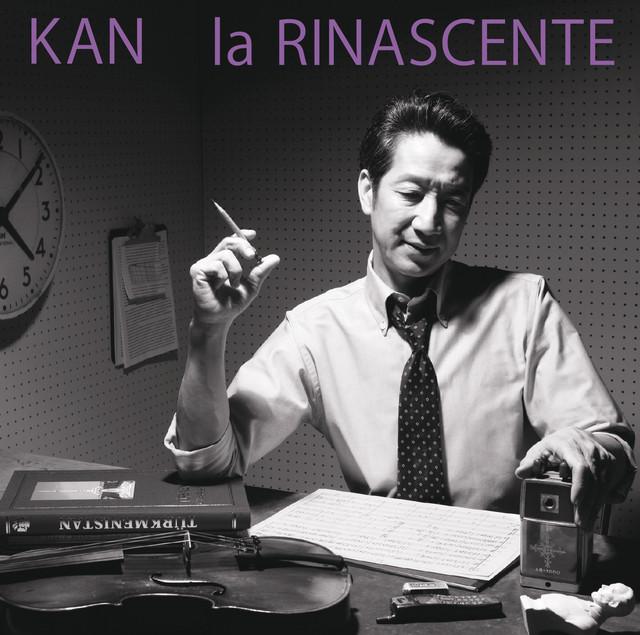
la RINASCENTE
11 tracks

弾き語りばったり ♯19 今ここでエンジンさえ掛かれば
15 tracks
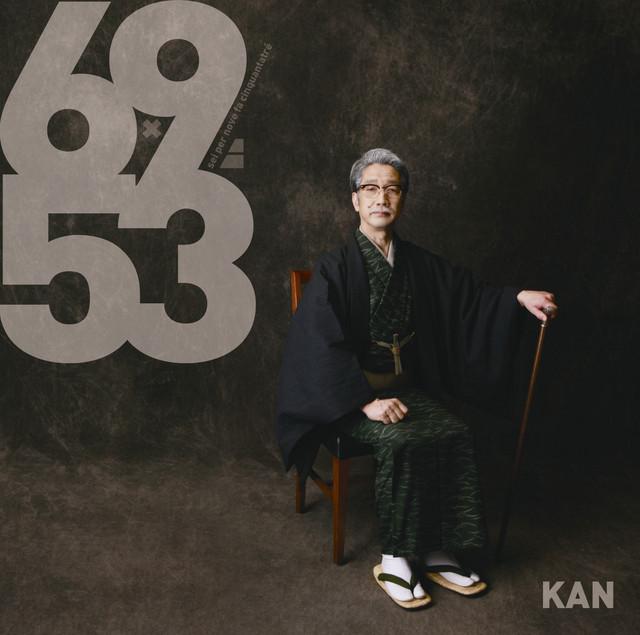
6×9=53
10 tracks

桜ナイトフィーバー
4 tracks

Listen to the Music
4 tracks
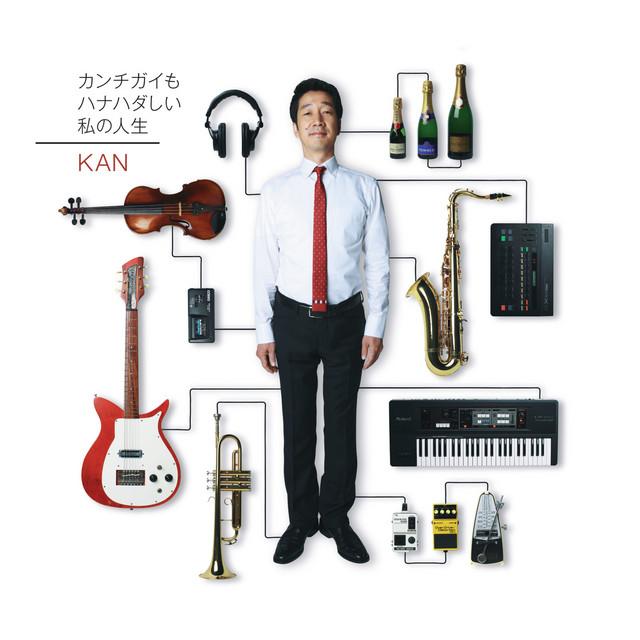
カンチガイもハナハダしい私の人生
9 tracks