


About
Overview
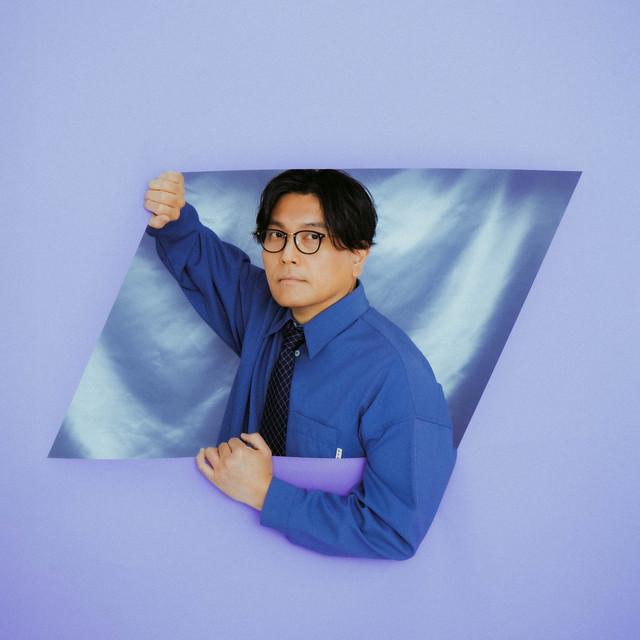
Quruli (くるり, Kururi) is a Japanese rock band formed in Kyoto in 1996. Shigeru Kishida, Masashi Sato and Nobuyuki Mori met in Rock Commune, the music club at Ritsumeikan University, and formed the original trio. The band made its major-label debut in 1998 with the single "Tokyo". Rooted in alternative rock, Quruli is known for reinventing itself from album to album, drawing on dance music, techno, classical music and Japanese folk song. They run their own label, Noise McCartney Records, and in 2003 HMV Japan ranked them number 74 among the top 100 Japanese pop acts. Signature songs include "Tokyo", "Wandervogel", "Bara no Hana", "Highway", "Akai Densha", "Jubilee" and "Kiseki".
Career
Formation and indie years (1996–1998)
The name "Quruli" is an onomatopoeic word for rotation, taken from a sign in the Kyoto Municipal Subway. The band released the cassette Kururi no Ikkaiten in February 1996 and formally formed in September that year to enter an amateur band contest. Their first indie album, Moshi Moshi, followed in November 1997, and the second, Fandelier, in May 1998; they also toured live houses in 1998.
Major debut and experimentation (1998–2002)
In October 1998 Quruli debuted on Victor Entertainment's Speedstar Records with the single "Tokyo". Their first major-label album, Sayonara Stranger (April 1999), was produced by Masahide Sakuma. Zukan ("Picture Book", January 2000), made with Jim O'Rourke, is a strongly alt-rock record that remains among the most frequently cited influences for Japanese alt-rock bands. Team Rock (February 2001) took in techno and house influences. Guitarist Tasshin Omura joined in 2001 and was formally announced in September. In autumn 2001 the band recorded abroad for the first time, near London with Nick Hannan, then released "World's End Supernova" in February 2002 and the album The World is Mine in March. Later that year Mori left the band, and Quruli founded its own label, Noise McCartney Records.
Film soundtracks and a return to band sound (2003–2007)
In 2003 the band scored Josee, the Tiger and the Fish; the theme song "Highway" and the soundtrack came out in November. After recording in Glasgow with Tony Doogan, they released the single "How to Go", and drummer Christopher McGuire formally joined in November 2003. The 2004 album Antenna (March) added jazz elements, and its tour included the band's first Nippon Budokan show; McGuire left after the tour. Nikki (December 2005) drew on 1960s British rock, and Tanz Walzer (2007) was recorded in Vienna with the Ambassade Orchester Wien. Omura's activity ended at the close of 2006, and his departure was announced in February 2007. The live album Philharmonic or die followed in 2008.
2009–2020
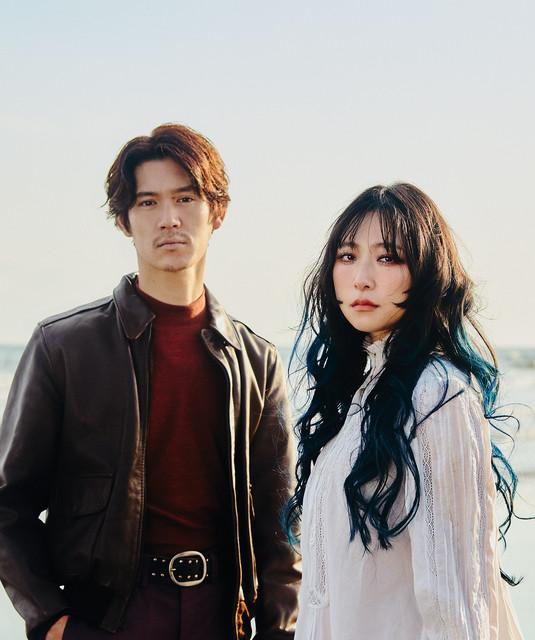
Tamashii no Yukue (2009) was a more introspective, singer-songwriter-driven album. On May 26, 2010 the B-side compilation Boku no Sunde ita Machi (including the new song "Tokyo Le-Le-Le no Le") became their first No. 1 album on the Oricon weekly chart, and in September they released Kotoba ni Naranai, Egao wo Misete Kureyo. Beginning with "Jubilee", their songs were used in TIOVITA drink commercials until 2014, when they were compiled as Quruli to Tiovita. Shonen Yoshida and Fanfan joined in 2011 to make the band a five-piece; Yoshida left in 2013, while Fanfan took maternity leave from 2015 to 2017 and announced her departure in March 2021, leaving Kishida and Sato as a duo. The albums Voltage of Melting Pot (10th, 2012), The Pier (11th, 2014), Songline (12th, 2018) and Thaw (2020) followed.
2021 onward
After "Love Genius" in April 2021, Quruli entered a new phase, releasing four consecutive singles in late summer and early autumn 2022. In summer 2023 the original trio of Kishida, Sato and Mori reunited, with Mori taking part in recording for the first time in about 20 years. They had already played a trio show on February 28, 2023, for the 50th anniversary of the Kyoto venue Jittoku. The 14th studio album Kankaku wa Michishirube ("Driven by Impulse") arrived on October 4, 2023 to great acclaim, and the documentary Quruli Film, covering the recording, opened nationwide on October 13. The band has continued with live-house tours and its own outdoor festival, Kyoto Ongaku Hakurankai. Their label contract ended in 2024, and they have since worked under their own label. Releases in this period include "California coconuts" (August 2023), "La Palummella" (October 2024, recorded in Naples), and in 2025 the singles "Wandering", "Regulus", "Seto no Uchi" and "oh my baby", plus live recordings from Tiny Desk Concerts JAPAN in September. In February 2026 they released their 15th studio album, Hakanaku mo Utsukushiki 12 no Hensou, about two years and four months after the previous one, incorporating jazz, heavy metal, R&B and classical music.
Musical style
Quruli builds on alternative rock but changes direction with nearly every album, moving through funk and progressive rock, electronica, techno and house, jazz, 1960s British rock, orchestral classical music and folk. They have often worked and recorded abroad with producers and engineers such as Jim O'Rourke, Nick Hannan and Tony Doogan. Their line-up varies by song and concert; in recent years they have regularly performed with support members including guitarist Daiki Matsumoto, keyboardist Yasuhiro Nozaki and drummers such as Shun Ishiwaka. Shigeru Kishida is the primary songwriter and leader, and Masashi Sato also serves as president of Noise McCartney Records.
Videos
Popular Videos
Latest Videos
Related artists




Discography

涙の河
1 track
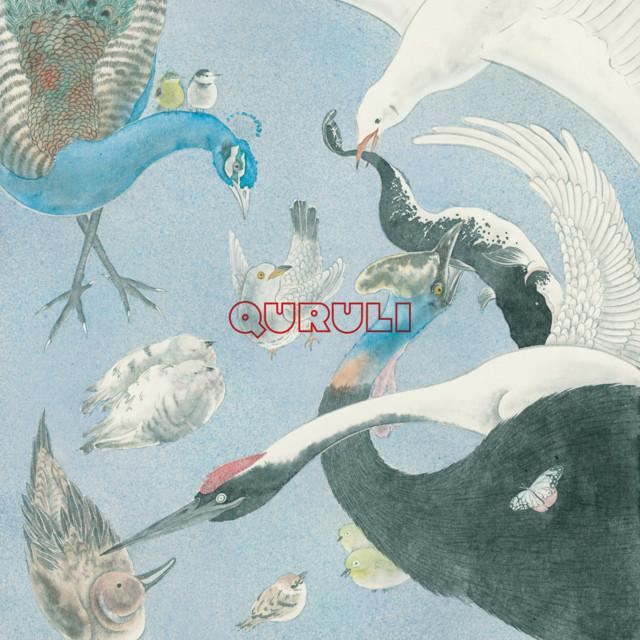
儚くも美しき12の変奏
12 tracks
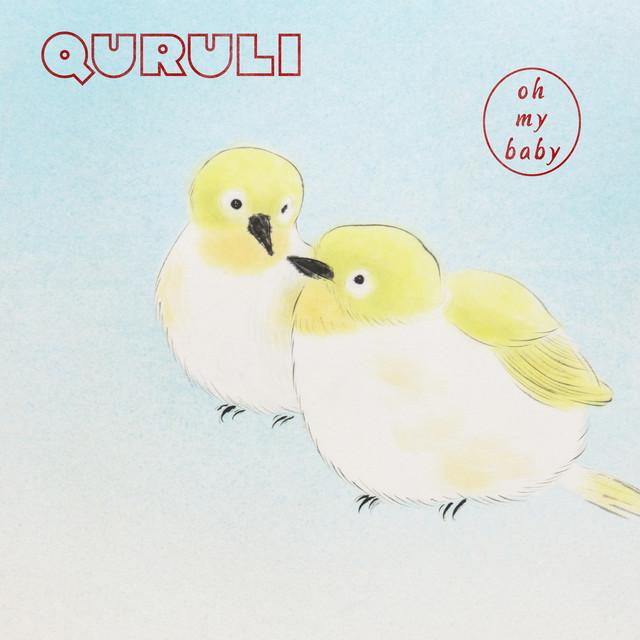
oh my baby
1 track
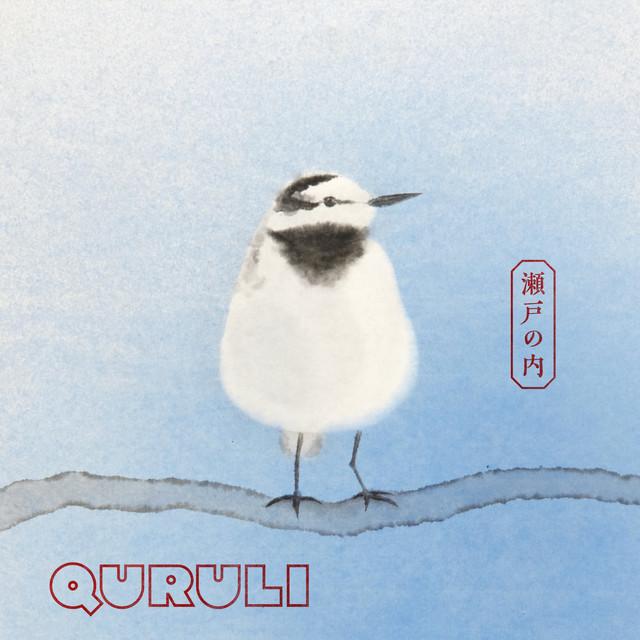
瀬戸の内
1 track
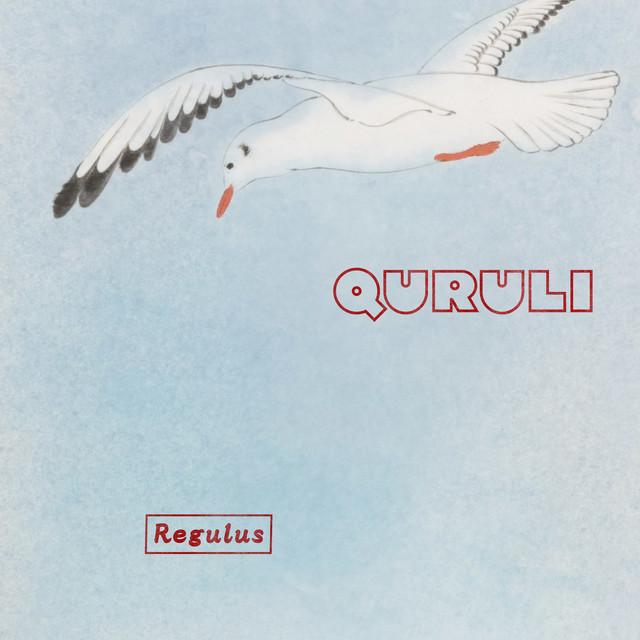
Regulus
1 track

Time (tiny desk concerts JAPAN)
1 track

奇跡 (tiny desk concerts JAPAN)
1 track

ばらの花 (tiny desk concerts JAPAN)
1 track

ブレーメン (tiny desk concerts JAPAN)
1 track

La Palummella (tiny desk concerts JAPAN)
1 track