


About
Overview
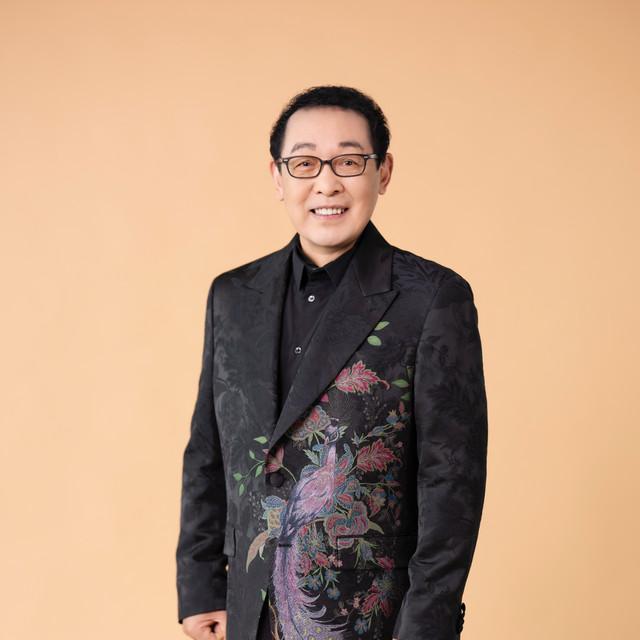
Takuro Yoshida (吉田 拓郎, born April 5, 1946) is a Japanese folk singer, singer-songwriter, music producer and actor. Born in Okuchi, Kagoshima (now Isa), he was raised in Hiroshima. He is regarded as a pioneer of the Japanese singer-songwriter movement who, in the early 1970s, lifted then-minor folk and rock into the mainstream of Japanese pop. He was also a trailblazer in large-scale solo outdoor concerts, radio, commercial jingles, concert tours, producing and founding a record company, and has been called the "founder of J-POP." When writing for other artists he sometimes uses the pen name Iriе Ken (入江剣).
Career
Early life and amateur years
Because of his father's work, the family lived in Keijo, Korea before the war and returned after Japan's defeat; Yoshida was born in Kagoshima. In 1955 his parents separated and he moved to Hiroshima with his mother and sister, living there until university. Often confined to home by childhood asthma, he began playing music on the ukulele, and was influenced by his older brother, who became a jazz pianist. He entered Hiroshima Minami High School in 1962, formed bands, and in 1965 entered Hiroshima Commercial College (now Hiroshima Shudo University), where he formed a Beatles-inspired rock band, The Downtowns.
In 1966, as a sophomore, he entered a Columbia-sponsored folk contest as a soloist, placing second in the Chugoku region and third nationally, and was introduced by Heibon Punch as "Japan's Bob Dylan." In 1967 he won the Chugoku rock division of the first Yamaha Light Music Contest but withdrew from the national finals over objections about his performances at the Iwakuni U.S. base. In 1968 he won the Chugoku region again at the second contest and placed fourth nationally in the vocal group sound division. He also founded the amateur folk circle Hiroshima Folk Mura. Around March 1970 he self-produced the album Furui Fune wo Ima Ugokaseru no wa Furui Suifu ja Nai darou and sold it by hand.
The "Yoshida Takuro" years (1970-1974)
In April 1970 he joined Elec Records, a pioneer indie label, as a contract employee, and made his official debut on June 1 with the unusually long, nearly seven-minute single "Image no Uta / Mark II." His first album, Seishun no Uta, followed in November. He appeared at the 3rd All-Japan Folk Jamboree in August 1971, and in October founded the artist-led production company Yui Ongaku Kobo with Yutaka Goto. Around that time he became a radio personality on TBS Radio's Pack in Music and Nippon Broadcasting's Vitalis Folk Village, and wrote his first song for another act, for the group of Kazuhisa Okubo.
In January 1972 he moved to CBS Sony as artist and producer. "Kekkon Shiyou yo" reached No. 3 on the Oricon chart and sold more than 400,000 copies, bringing folk to ordinary listeners. He launched his own Odyssey label; the July single "Tabi no Yado" hit No. 1 for five weeks and sold over one million copies by September, earning a gold disc. The album Genki desu. topped the Oricon album chart for 14 consecutive weeks (15 in total), giving him No. 1 on both the singles and albums charts at once. He wrote "Tadoritsuitara Itsumo Ame Furi" for The Mops and "Yuki" and "Chikatetsu ni Notte" for Neko, and his song "Kyou made Soshite Ashita kara" featured in the film Hyakumannin no Daigasshou. In June 1972 he married Yoshiko Yosumi at St. Paul's Church in Karuizawa.
In 1973 he formed Shin Rokumonsen, but was arrested over an accusation of assault by a female student; after eight days in custody the claim was found to be false and he was released without charges. A period of restraint followed, with cancelled concerts, broadcast bans and suspended commercials. He then wrote "Melancholy" for Michiyo Azusa and "Erimo Misaki" for Shinichi Mori; the latter won the Japan Record Award.
For Life Records and after
In 1975 "Waga Yoki Tomo yo," written for Hiroshi Kamayatsu, became a hit. In June that year he co-founded For Life Records with Yosui Inoue, Shigeru Izumiya and Hitoshi Komuro, and began writing his name in kanji rather than kana. He divorced Yosumi in 1975 and married Miyoko Asada in 1977. In 1976 he wrote and produced the debut song "Kaze ni Naritai" for newcomer Yuko Kawamura, and became the second president of For Life. He also supplied songs to Candies and Mako Ishino.
In 1980 he declared a break with the past by performing mainly new songs, and released the overseas-recorded album Shangri-La. He stepped down as For Life president in 1982 and divorced Asada in 1983-84. In 1985 he co-planned ALL TOGETHER NOW with Kazumasa Oda, drawing 50,000 people. He married Aiko Morishita in 1986 and set up his own office in 1988. He released "Yoshida-cho no Uta" in 1992, and made his first appearance on NHK's Kouhaku Uta Gassen in 1994. In 1999 he ended his artist contract with For Life.
He moved to Imperial Records in 2000, underwent lung cancer surgery in 2003 but recovered and resumed concerts that autumn, and in 2008 a monument to "Kyou made Soshite Ashita kara" was erected at Hiroshima Shudo University. He joined Avex in 2009, though a relapse of chronic bronchitis forced the cancellation of many shows. His 2013 release Yoshida Takuro LIVE 2012 reached No. 6 on the Oricon chart, making him the oldest artist ever to enter the top ten, at 66 years and 10 months.
Recent activity
In 2022 he released the album ah-Omoshirokatta (June) and a remastered edition of Ima wa Mada Jinsei wo Katarazu (December). In 2024 he released the album Another Side Of Takuro 25 (June) and the single "Radio no Yume" (November).
Musical style
Yoshida sings about personal feelings from everyday life in plain, direct language. His songs about his own life and love affairs drew accusations of commercialism from traditional folk fans, but he broke with the closed conventions of folk and won broad support from ordinary young people of his generation. Rooted in folk and rock, he also wrote and produced songs for kayōkyoku and enka singers. His songs have been covered by artists such as KinKi Kids ("Zenbu Dakishimete") and Hirakawachi 1-chome ("Natsu Yasumi"), and have been used as theme songs for television series.
Related artists





Discography
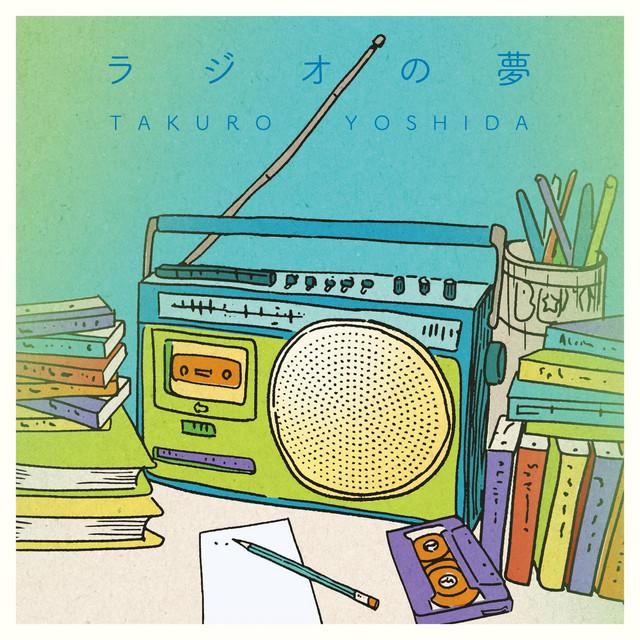
ラジオの夢
5 tracks

Another Side Of Takuro 25
21 tracks
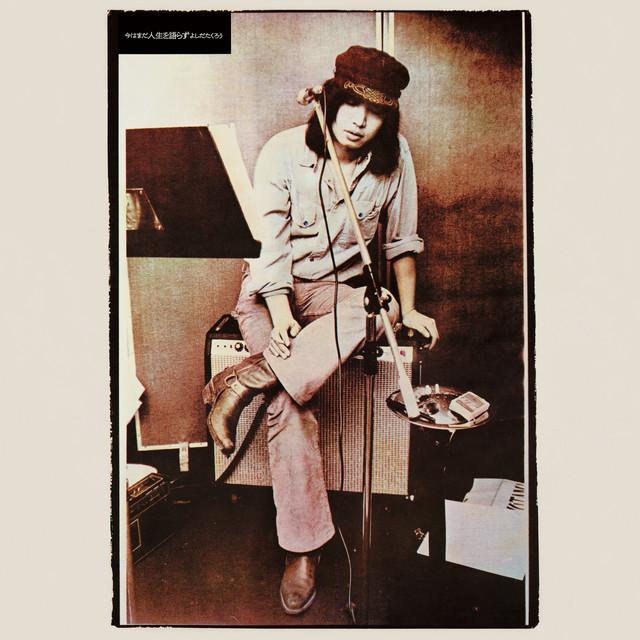
今はまだ人生を語らず (Remastered by Bernie Grundman 2022)
12 tracks
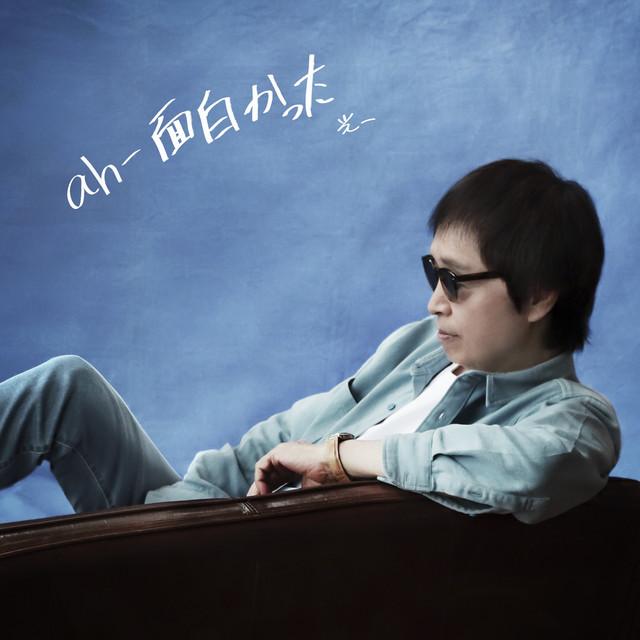
ah-面白かった
9 tracks
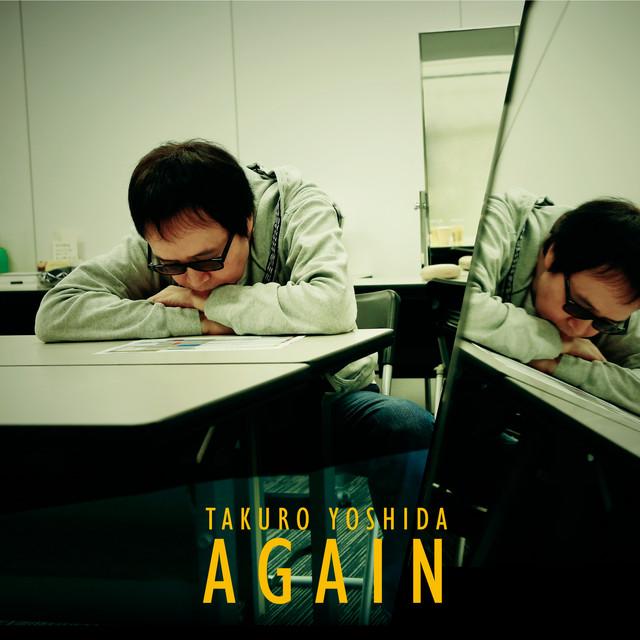
AGAIN
15 tracks
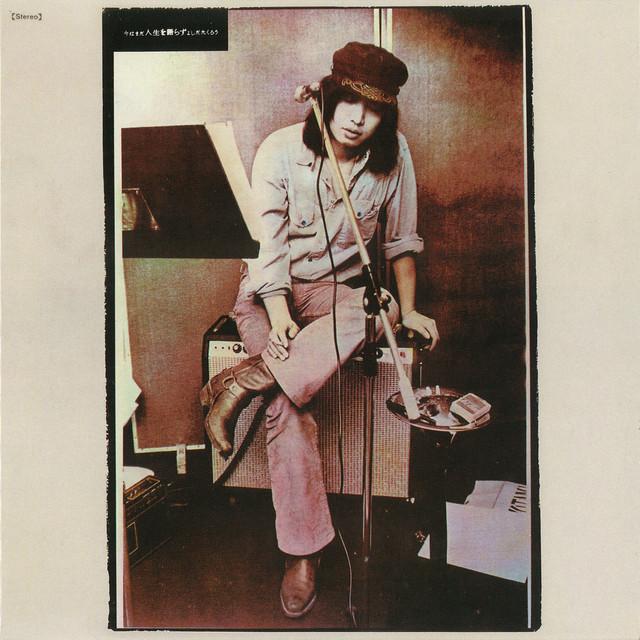
今はまだ人生を語らず-1
11 tracks
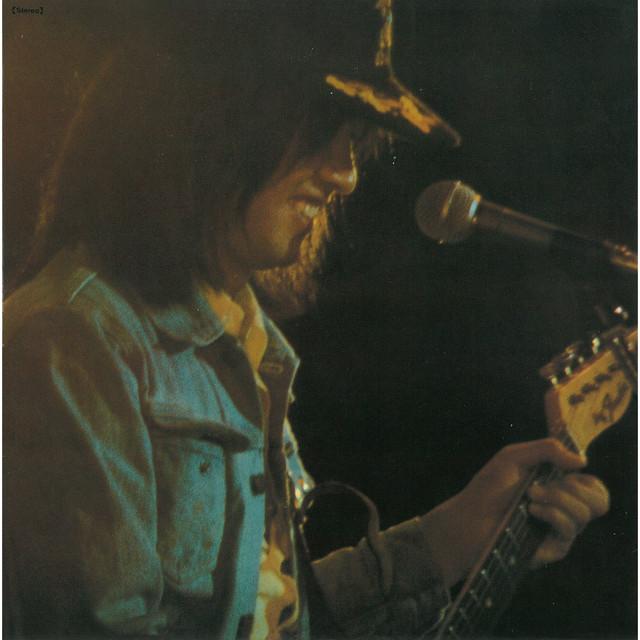
よしだたくろうLIVE '73
13 tracks
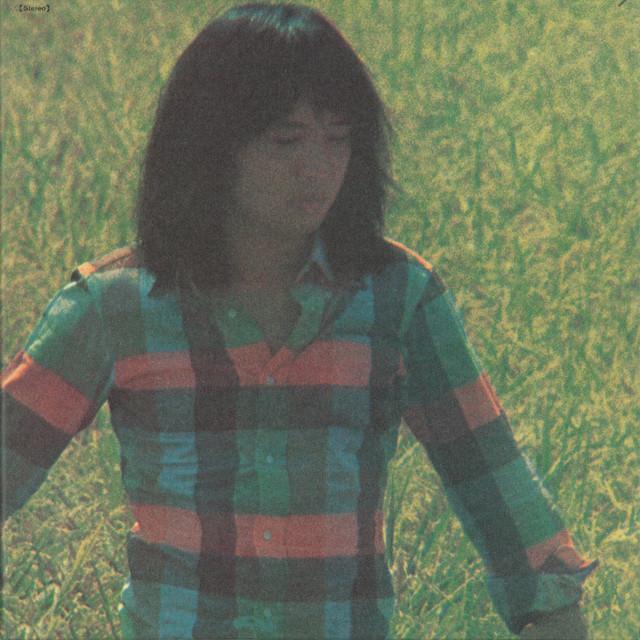
伽草子
12 tracks
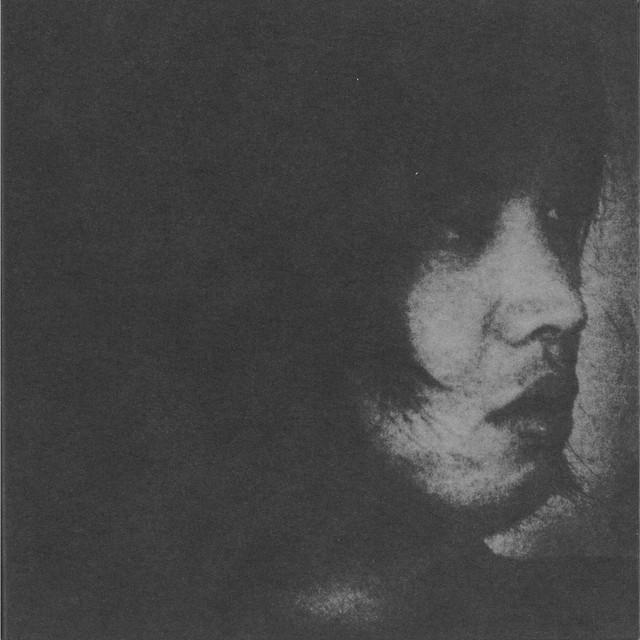
元気です。
15 tracks
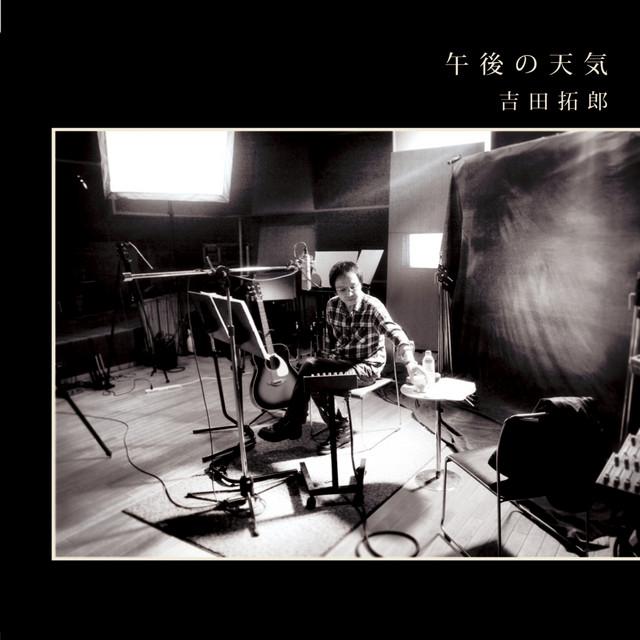
午後の天気
8 tracks