


About
Overview
Hikaru Genji was a seven-member Japanese male idol group managed by Johnny & Associates (now SMILE-UP.). Active from August 19, 1987 to September 3, 1995, they were named after Hikaru Genji, the hero of The Tale of Genji, and are remembered as the "Last Super Idols." They were the first Johnny's act to build their performances around roller skating, with a catchphrase of "A message from a supernova."
Members at formation were split by age: Hikaru (18 and over) were Kohji Uchiumi (leader) and Mikio Osawa; Genji (17 and under) were Kazumi Morohoshi (center), Hiroyuki Sato, Junichi Yamamoto (main vocal), Akira Akasaka and Atsuhiro Sato.
Career
Formation
The precursor "First Genji" formed on March 25, 1987 with Hidetaka Tashiro, Morohoshi, Hiroyuki Sato and Atsuhiro Sato. In April they became regulars on TBS's youth variety show, performing their first original song. Tashiro left, Yamamoto and Akasaka joined, and on June 25, 1987 Genji merged with Hikaru (Uchiumi and Osawa) to form Hikaru Genji.
Debut and peak (1980s)
They debuted on August 19, 1987 with "STAR LIGHT," written by CHAGE&ASKA. Skating and acrobatics such as back flips fueled an explosive boom that was treated as a social phenomenon. That year they starred in their first drama. In 1988 they won the 30th Japan Record Award for "Paradise Ginga" and took the top three spots on the annual Oricon singles chart, the first such feat since Pink Lady in 1978; they also placed first and ninth on the annual album chart. Before Hey! Say! 7 in 2007, they held the record as the youngest male group to top the Oricon singles chart. In 1989 "Taiyō ga Ippai" earned the Japan Cable Awards grand prize, FNS Music Festival grand prix and more. Myojo magazine hit its all-time peak sales during their prime, and their radio show drew over 100,000 postcards weekly. They appeared on Music Station as regulars from February 1988 to October 1992, a record 234 appearances that still stands.
Releases include the single "Tsurugi no Mai" (1988), the album Hello... I Love You (1989), "Waratte Yo" (1990), Victory (1991), "Growing Up" (1991), "Ai Shite mo ii Desu Ka" (1992), Welcome (1993) and "Kono Aki... Hitorijanai" (1993).
1990s
In 1992 they became JOC public relations advisors and released "Lila no Saku koro Barcelona" as a Barcelona Olympics support song. "Yūki 100%" (1993), the theme of the anime Nintama Rantarō, was later covered by many Johnny's groups. In January 1994 they released "Bravo! Nippon" for the Lillehammer Olympics. In August 1994, after a concert at Osaka-jo Hall, Osawa and Hiroyuki Sato left the group and the agency, and the group became Hikaru Genji Super 5, releasing the singles "Melody Five," "Don't Mind Namida" and "Bye-Bye" and the album Someone Special.
Disbandment
In June 1995 the end of activities was announced. On September 1 they made their last TV appearance on Music Station, performing a medley before removing their roller skates and leaving them at center stage. They disbanded after a concert at Nagoya's Rainbow Hall on September 3, 1995. Their final album See You Again came out in August 1995, and the compilation ALL SONGS REQUEST followed in 2002.
After disbandment
Morohoshi left the agency at the breakup, Yamamoto in February 2002, and Akasaka was fired after his arrest for methamphetamine possession in October 2007. Only Uchiumi and Atsuhiro Sato remained, moving to STARTO ENTERTAINMENT in April 2024. A 2017 reunion for the 30th anniversary was planned but fell through due to agency issues. On August 19, 2022, the 35th anniversary, Uchiumi and Sato formally formed U&S, held the "UpdateS LOVE TOUR 2022-2023" and released "UpdateS" digitally in October 2023 (No. 38 on Billboard Japan downloads). In May 2023 Hiroyuki Sato and Yamamoto formed "Futatsu no Kaze," debuting in December with "Kimi to Monogatari" (No. 11 weekly on Oricon). WOWOW aired the documentary 7 S.T.A.R.S. from January 2025. In August 2026 streaming availability was announced, starting with See You Again, with all works to follow through the 40th anniversary on August 19, 2027.
Awards
The group won the Golden Arrow Award for best newcomer (1987), multiple Japan Gold Disc Awards (fifteen in total, including New Artist of the Year and Single of the Year for "Glass no Jūdai" in 1988), the Japan Record Award (1988), the Nippon TV Music Festival grand prix (1989) and others.
Musical style
Built on roller skating and acrobatics, their kayōkyoku-based pop favored fantasy themes of light, stars, galaxies and space, as in "STAR LIGHT" and "Paradise Ginga." CHAGE&ASKA supplied many of their songs.
Anecdote
Because two members were under 15, labor law limited late-night live appearances; after a 1988 labor inspection, a notice issued on July 30, 1988, known as the "Hikaru Genji notice," exempted entertainers meeting certain conditions from labor standards law.
Related artists






Discography
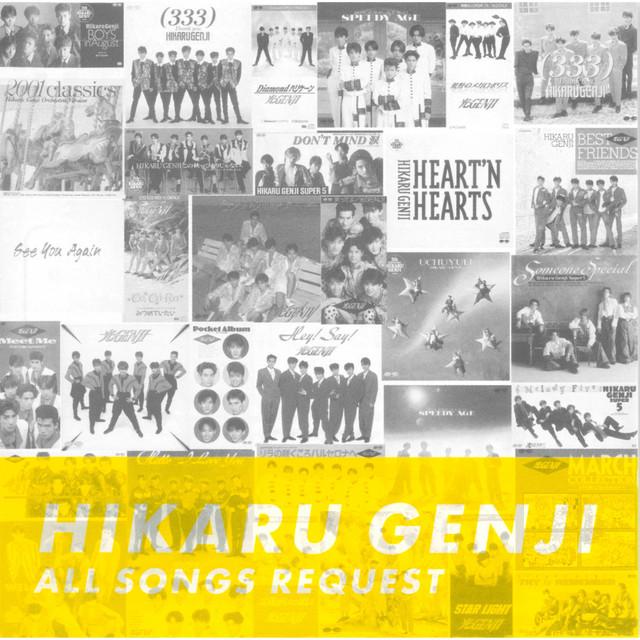
光GENJI ALL SONGS REQUEST
31 tracks

See You Again
30 tracks
この秋‥ひとりじゃない
4 tracks
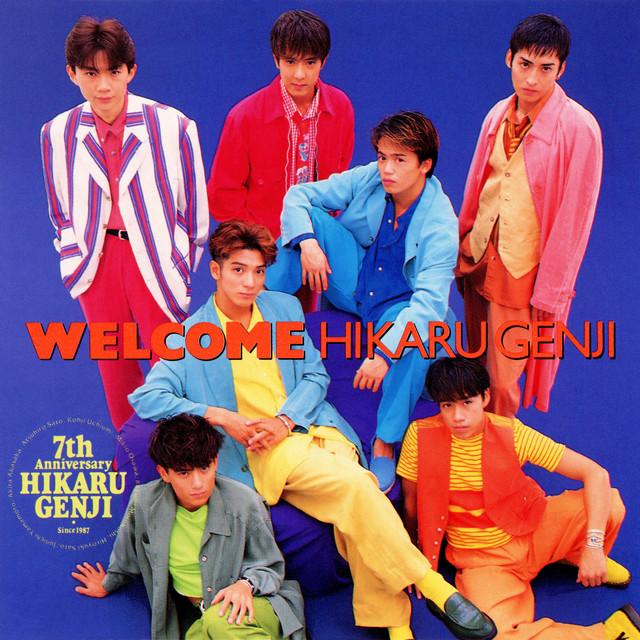
WELCOME
10 tracks
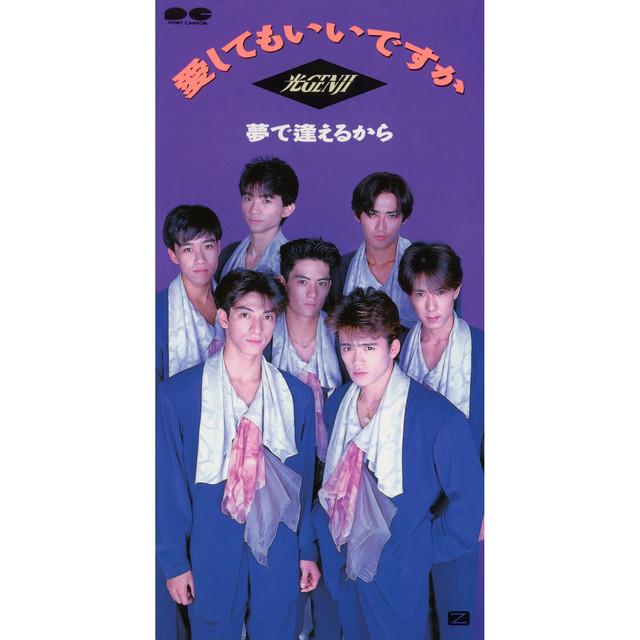
愛してもいいですか
4 tracks
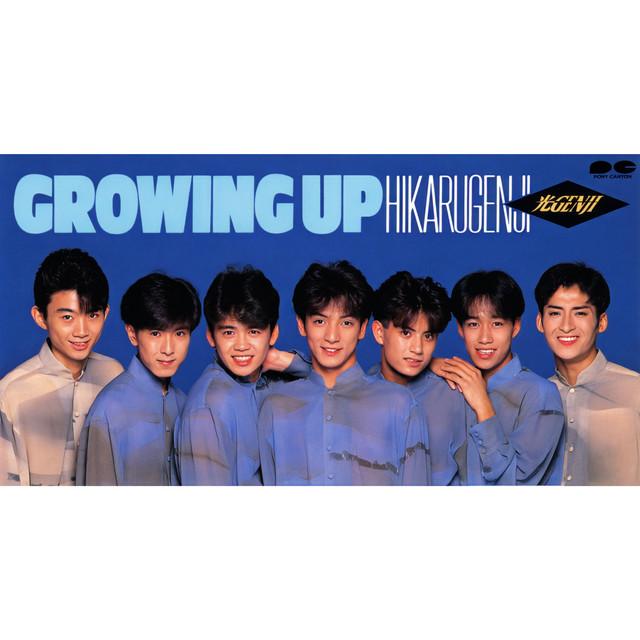
GROWING UP
4 tracks
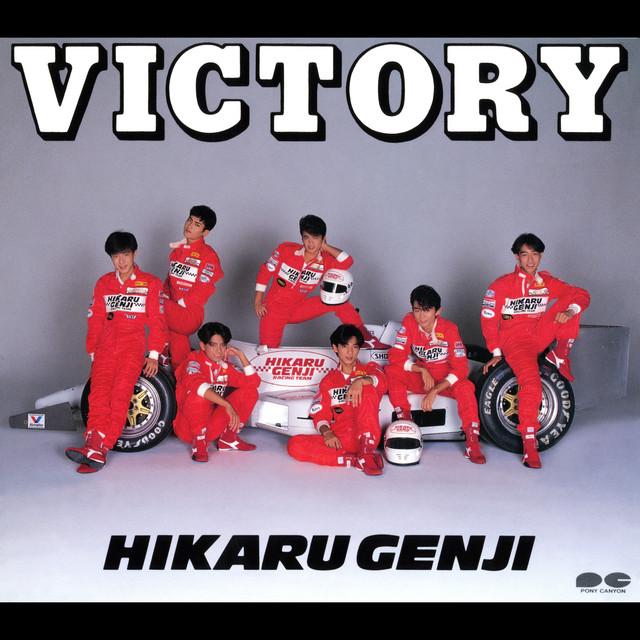
VICTORY
14 tracks
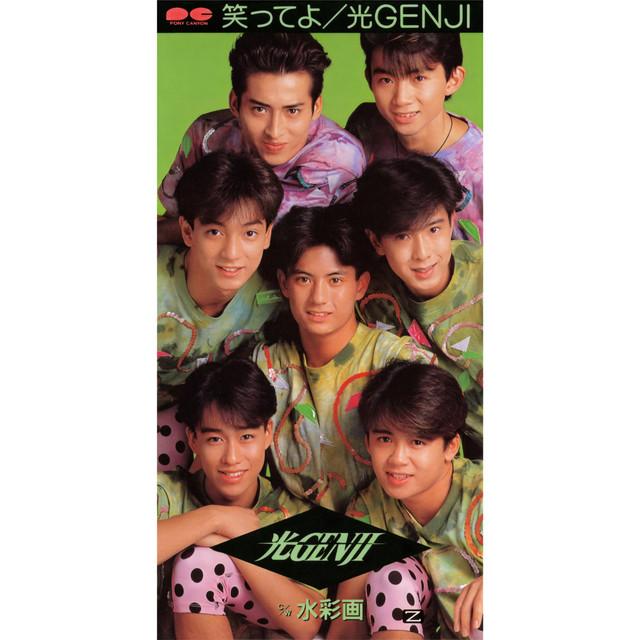
笑ってよ
2 tracks
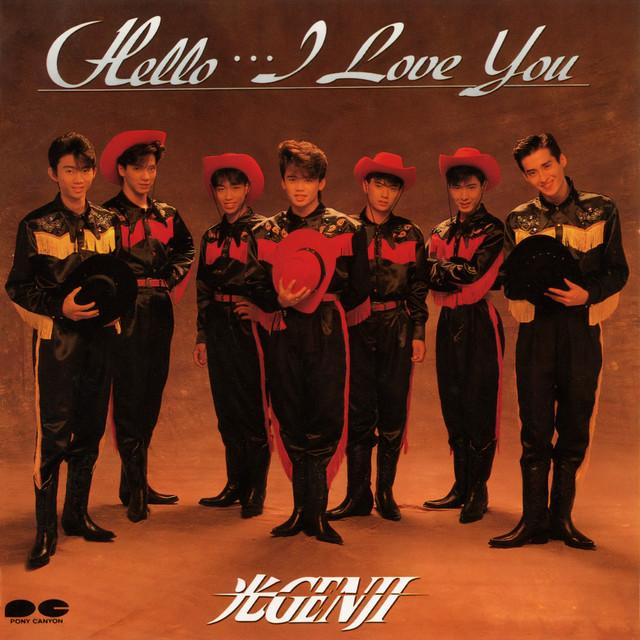
Hello・・・I Love You
11 tracks
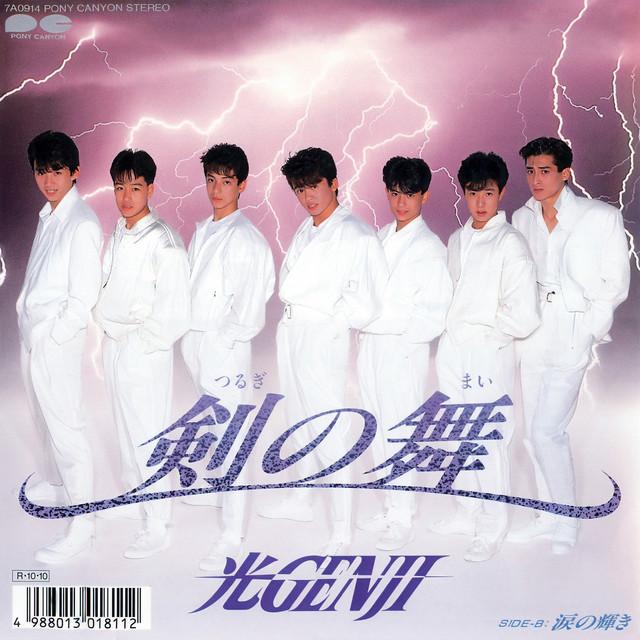
剣の舞
2 tracks