

About
Overview
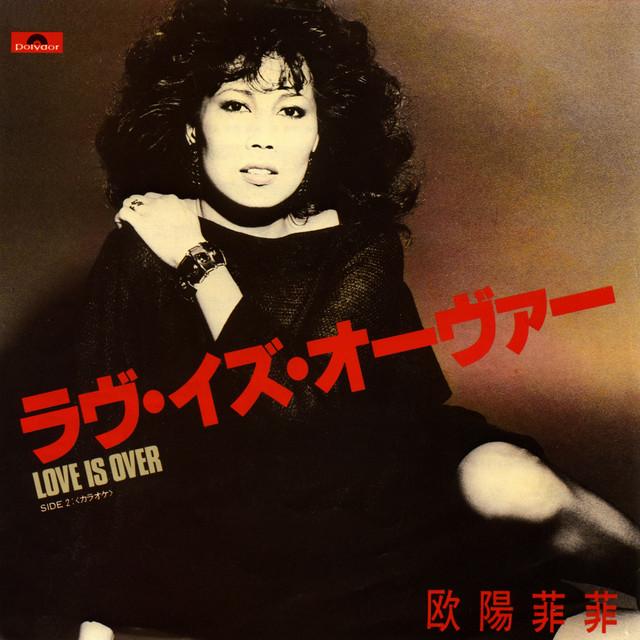
FeiFei Ou-Yang (歐陽菲菲, Ōuyáng Fēifēi; Japanese name 式場欧陽菲菲), born September 10, 1949 in Taipei, is a Taiwanese-Japanese singer working in kayōkyoku, enka and J-pop. She is one of the most popular singers in both Taiwan and Japan. She won the Best Newcomer prize at the 13th Japan Record Awards in 1971 for "Ame no Midōsuji", the Japan Cable Awards grand prize in 1972 for "Ame no Airport", and the Long Seller prize at the 25th Japan Record Awards for "Love Is Over" in 1983. In 2023 she received a Special Contribution Award at the 34th Golden Melody Awards.
Career
Early years
Ouyang made her debut in 1967 at the Central Hotel, a restaurant theatre in Taipei, before moving to Japan to begin a recording career.
The 1970s
Her Japanese debut single, "Ame no Midōsuji" (September 1971), was composed by The Ventures with lyrics by Haruo Hayashi. It reached No. 1 on the Oricon charts and sold over a million copies. The follow-up, "Ame no Airport", reached No. 4 on Oricon and sold nearly 400,000 copies. From late 1971 to early 1974, Kyōhei Tsutsumi handled composition and arrangement; "Koi no Tsuiseki (Love Chase)" was influenced by the brass-rock band Chase. She made her first Kōhaku Uta Gassen appearance in late 1972 with "Koi no Tsuiseki" and returned in 1973 with "Koi no Jūjiro". She appeared in commercials for Meiji Seika's Texas Bar (1974) and House Foods' Ōfūmen (1979–1980). In April 1978 she married Sokichi Shikiba, a former racing driver and businessman; they remained married until his death in 2016.
The 1980s: "Love Is Over"
"Love Is Over" first appeared as the B-side of "Uwasa no Disco Queen", which sold only about 3,000 copies. Released as a single in 1982, it hit No. 1 on Oricon and sold over half a million units, becoming a long seller from 1983 to 1987 and winning the Long Seller prize at the 1983 Japan Record Awards.
Performances with Teresa Teng
She shared the stage in Japan several times with fellow Taiwanese star Teresa Teng. On Fuji TV's Music Fair in 1984, the two performed a three-song medley of each other's peers' material: Ouyang sang "Kitaguni no Haru", they duetted on "Kita Sakaba", and Teng sang "Koibito yo". On December 31, 1991, both appeared on the 42nd NHK Kōhaku Uta Gassen for the first time together, with Ouyang performing "Love Is Over" in her third and final Kōhaku appearance. Teng died in 1995, making it their first and last joint appearance.
1990s onward
In Taiwan she released albums including 擁抱 (1993), 烈火 (1994), 紅色革命 (1995), 出境入境 (1999) and 菲比尋常情歌14首 (2000). Later releases include 歐陽菲菲All My FeiFei (2003), SOUL・FEI FEI! (2005), 神奇 and 她的眼睛像月亮 (2006), the compilation Golden Best (2010), and 不能不愛他 in October 2023. She also sang "感恩的心", the ending theme of the Japanese drama Oshin, and released "Ame no New York" in 2008.
Musical style
In Japan her repertoire centered on kayōkyoku and pop, including disco-flavored material such as "Uwasa no Disco Queen" and brass-rock-influenced songs. In Taiwan she sang Chinese-language versions of her own Japanese hits and many covers of Japanese kayōkyoku, such as "熱情的沙漠" (The Peanuts), "喝采" (Chiaki Naomi) and "我為你唱一首歌" (Sawada Kenji). An album such as SOUL・FEI FEI! also points to soul influences.
Family
Her father, Ouyang Linsheng, was a former pilot, and the name "Feifei" carries the nuance of flying through the sky. Her brother Ouyang Long is a former singer and Taipei city councillor; his daughters include cellist Nana Ouyang, entertainer Ouyang Nini and Gen1es member Ouyang Didi. Her sister Ouyang Beibei runs a Chinese restaurant in Daikanyama, Shibuya.
Related artists





Discography
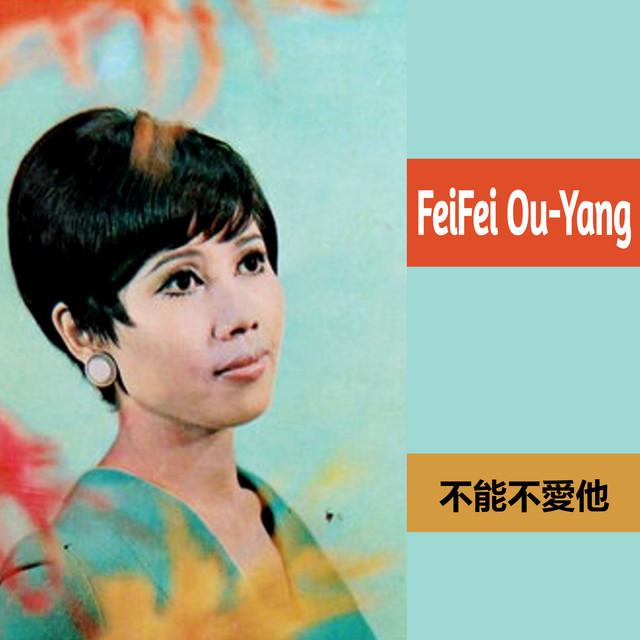
不能不愛他
23 tracks
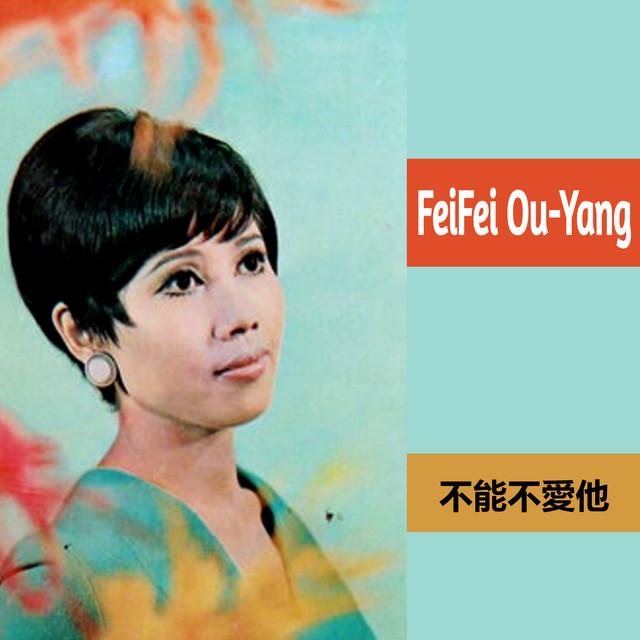
不能不愛他
23 tracks

ゴールデン☆ベスト
20 tracks
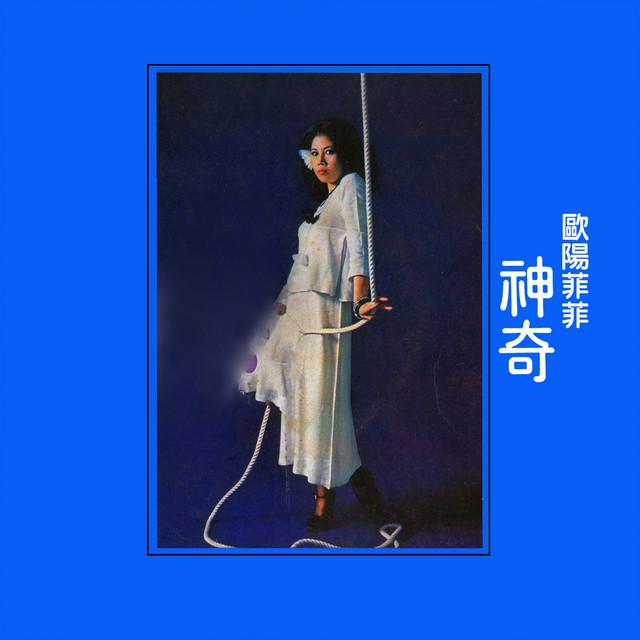
神奇
16 tracks
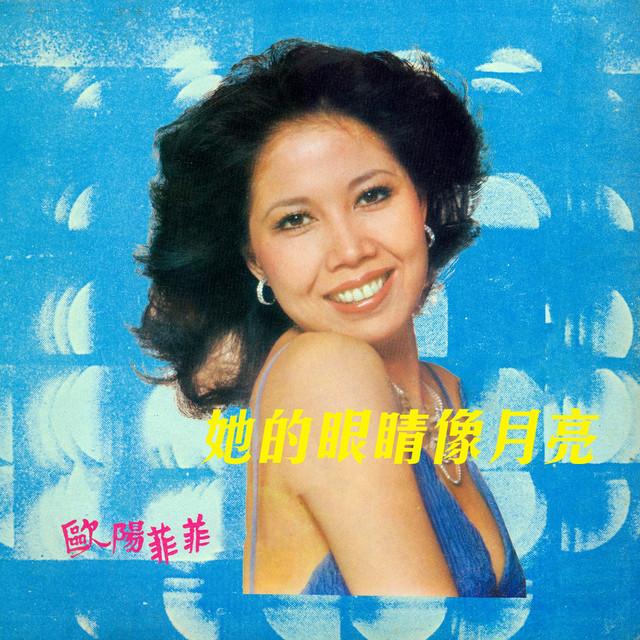
她的眼睛像月亮
16 tracks
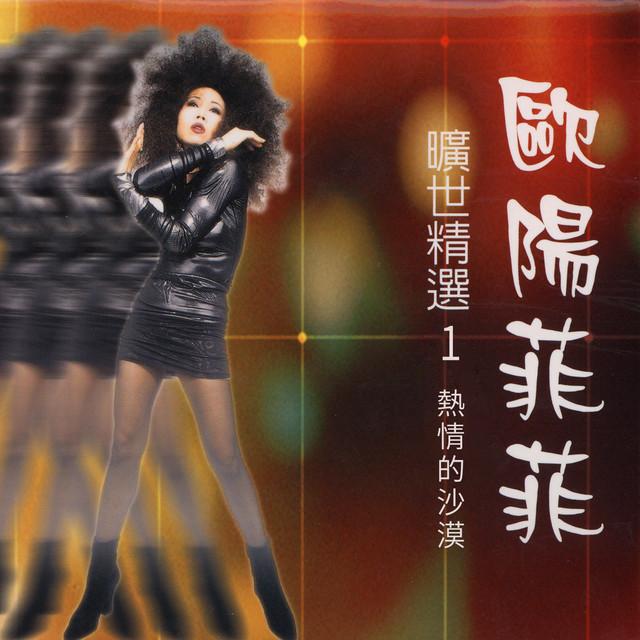
熱情的沙漠 (歐陽菲菲曠世精選1)
16 tracks

SOUL・FEI FEI!
16 tracks

歐陽菲菲All My FeiFei
15 tracks

菲比尋常情歌14首
14 tracks
出境入境
13 tracks