

About
Overview
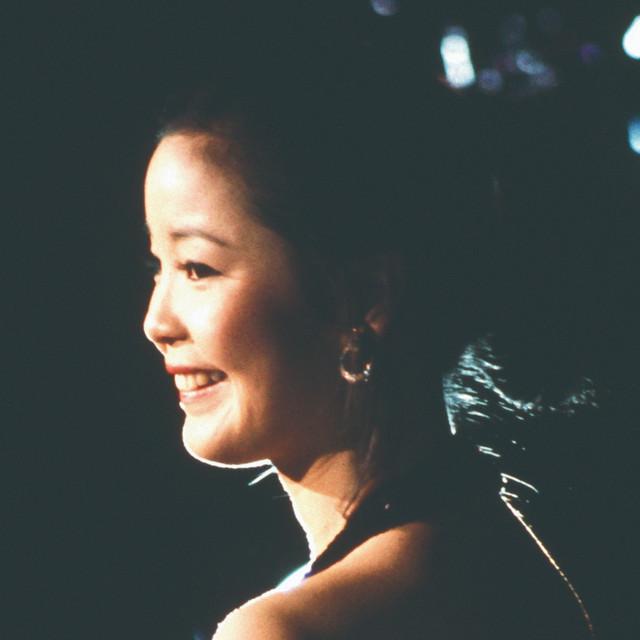
Teresa Teng (Teng Li-Chun, 鄧麗君; 29 January 1953 – 8 May 1995), born Teng Li-yun, was a Taiwanese singer, television personality and philanthropist. Known across Asia as the "Asian Diva," she rose to fame from the 1970s through the 1990s in the Chinese-speaking world, Japan, Thailand, Malaysia and beyond. Time named her one of the seven greatest female singers in the world in 1986, and in 2007 she became the only non-Japanese artist inducted into the Popular Music Hall of Fame at the Koga Masao Museum of Music in Tokyo. In 2009, a Chinese government web portal poll named her the most influential cultural figure in China since 1949. According to the IFPI, she sold over 48 million albums, excluding mainland China.
Career
Early life
Teng was born in Baozhong, Yunlin County, Taiwan, the only daughter among five children of waishengren parents: her father, a Republic of China soldier from Hebei, and her mother, from Shandong. She grew up in modest circumstances in military dependents' villages. Her music-loving parents introduced her to Peking and Huangmei opera, and she began voice lessons at six. In 1964 she won her first major prize singing a Huangmei opera piece from The Love Eterne, and as a child she also won a radio singing contest that drew attention to her talent. She later left high school to pursue singing professionally.
Debut and rise in Asia
Teng's professional career began in 1967 as host of the television program One Star a Day, and she made her debut as a professional singer at 14, also starring in films. She set a record at a Taipei nightclub with 70 consecutive nights of performances. A 1968 appearance on a popular music program led to a record contract, and she released albums in Hong Kong. In 1970 she sang the theme song of Taiwan's first televised series, Jingjing, "The Moment I See You, I Smile," and gained popularity in Taiwan, Hong Kong, Singapore, Malaysia and Thailand, becoming a top Asian star.
Japan and deportation
In 1973 Minoru Funaki, later president of Taurus Records, persuaded Teng and her parents to sign with Nippon Polydor, and she began her Japanese career in 1974. Her idol-style debut single "Konya kashira ashita kashira" failed, but after she shifted to enka and kayōkyoku, her second single "Kūkō" (Airport) became a major hit and won the 16th Japan Record Awards New Artist Prize. In February 1979 she was deported from Japan for trying to enter on an Indonesian passport. She then based herself in the United States and Hong Kong; in 1980 she was allowed to return to Taiwan on condition of cooperating with the government, serving as a promoter for the armed forces and earning the nicknames "the patriotic entertainer" and "the soldiers' sweetheart."
Popularity in the Chinese-speaking world
Her cover of "The Moon Represents My Heart," released on the December 1977 album Love in Hong Kong, became a huge hit and her signature song; in 1999 it was ranked No. 1 on the Hong Kong Golden Songs Awards' list of the ten greatest Chinese songs of the 20th century. By the early 1980s, copied cassettes of her music circulated in mainland China, with her cover of "Ho Ri Jun Zai Lai" especially popular. Her 15th-anniversary tour in Hong Kong in 1983 drew 100,000 people. The Chinese Communist government banned her songs around 1983, yet listeners kept hearing them in secret, and a saying spread: "By day we listen to Old Deng (Deng Xiaoping), by night to Little Deng (Teresa Deng)."
Japanese comeback
In 1984 she returned to Japan, moving from Polydor to Taurus Records, and made her comeback with "Tsugunai," written by Toyohisa Araki and Takashi Miki. It was followed by "Aijin" (1985), which took her to the 36th NHK Kōhaku Uta Gassen and topped the cable radio request chart for 14 consecutive weeks, and "Toki no Nagare ni Mi o Makase" (1986), which earned her a second consecutive Kōhaku appearance. "Tsugunai" and "Aijin" each sold 1.5 million copies and "Toki no Nagare ni Mi o Makase" sold 2 million. From 1984 to 1986 she became the first artist to win the grand prizes of both the Japan Cable Radio Awards and the All Japan Cable Broadcasting Awards three years in a row. Her final solo concert was held at NHK Hall in December 1985.
Democracy support and later years
In 1986 her songs were effectively unbanned in mainland China and her popularity revived; Time named her one of the world's seven greatest female singers. In 1987 she moved to Hong Kong and largely stopped performing outside Japan. On 27 May 1989 she joined the Hong Kong concert supporting China's democracy movement at Happy Valley Racecourse, singing "My Home Is Over the Mountain" before roughly 300,000 people. The Tiananmen Square events cancelled her dream of a first concert in her parents' mainland homeland. She moved to Paris in 1989 and re-recorded "Ye Lai Xiang" in 1992. Her asthma worsened after 1990, and her last Japanese television appearance was in November 1994 on NHK's charity concert.
Death and legacy
Teng died on 8 May 1995 at age 42, after a bronchial asthma attack in Chiang Mai, Thailand. A state-style funeral was held in Taipei on 28 May. She is buried at Jinbaoshan in New Taipei, in a memorial known as "Yun Garden," where her songs play continuously. The Teresa Teng Foundation was established in October 1995. Memorial concerts followed, including "Chasing Dreams" in Beijing in 2013 and a 20th-anniversary charity concert at Shibuya Public Hall in 2015. In April 2025 an unreleased song, apparently recorded in the mid-1980s with Takashi Miki and Toyohisa Araki, was announced; it was named "Love Songs Prefer the Night Dew" and slated for the Takashi Miki songbook collection due on 25 June. Compilations such as the 2024 70th-anniversary best album and the 2025 "Asian Diva" best album continue to be released.
Musical style
Although often seen in Japan as an enka singer, Teng sang a wide range of genres. Her albums from Taiwan and Hong Kong included enka and mood kayō alongside Taiwanese folk songs, English pop and covers of Japanese pop, and from the late 1980s her Japanese work leaned toward J-pop, including songs by ASKA, Keisuke Kuwata and ZARD's Izumi Sakai. She recorded over 1,000 songs in Chinese and about 260 in Japanese, and was fluent in Mandarin, Taiwanese, Cantonese, Japanese and English. By blending Western and Eastern styles and displacing the revolutionary songs then prevalent in mainland China, she is regarded as a pioneer who laid the foundation of modern Chinese popular music.
Related artists






Discography
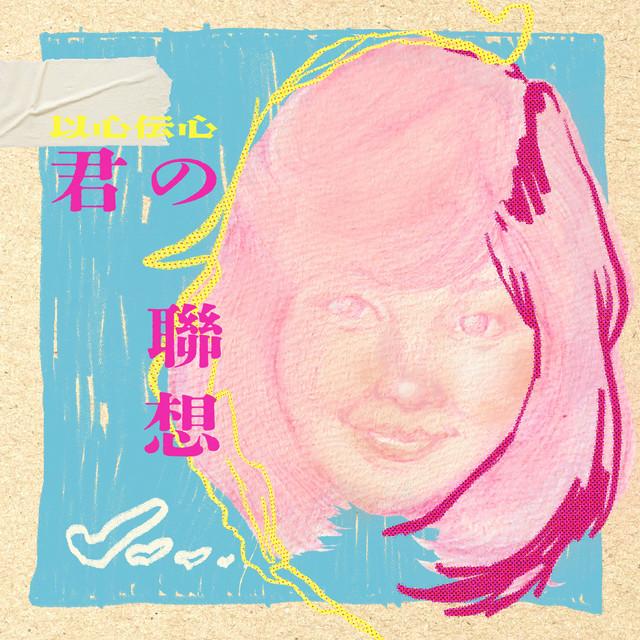
以心伝心:君の聯想
20 tracks
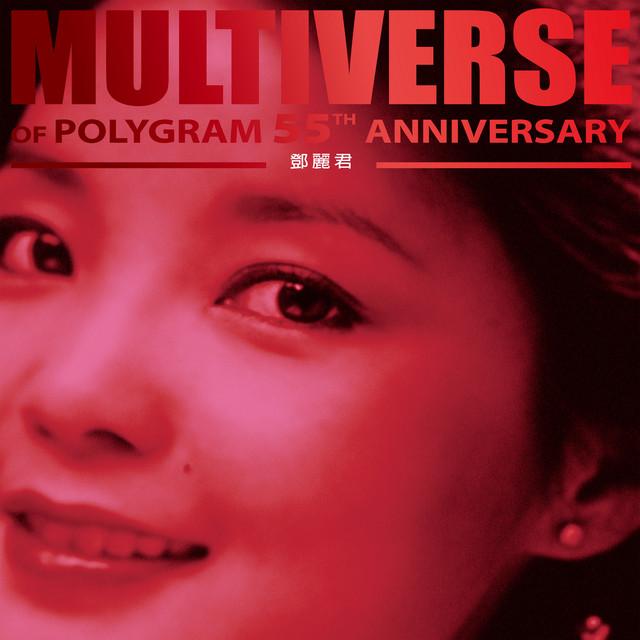
MULTIVERSE OF POLYGRAM 55TH ANNIVERSARY - 鄧麗君
30 tracks
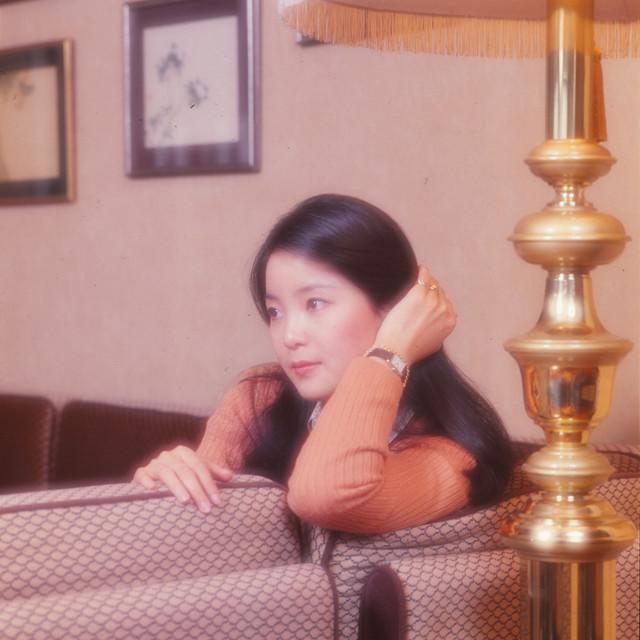
君・依然在乎你
16 tracks
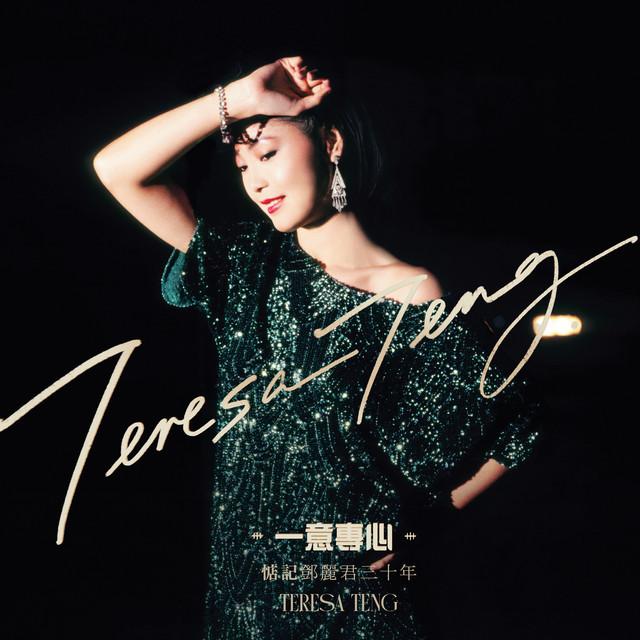
一意專心:惦記鄧麗君三十年
80 tracks
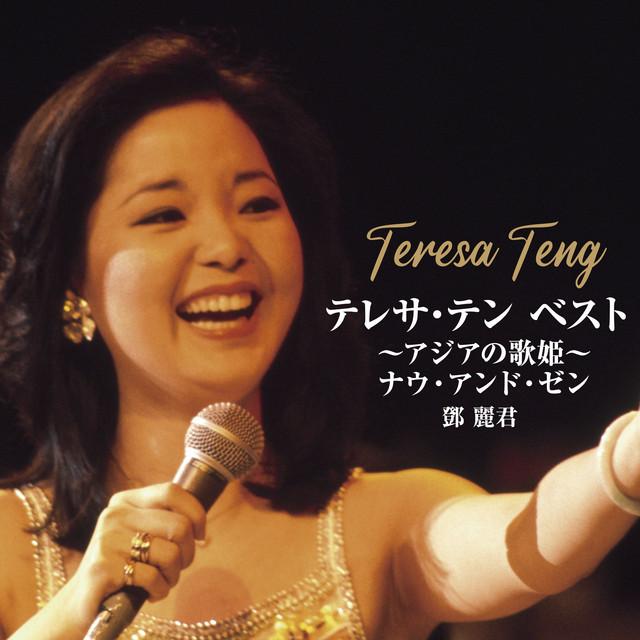
テレサ・テン BEST~アジアの歌姫~ナウ・アンド・ゼン
34 tracks
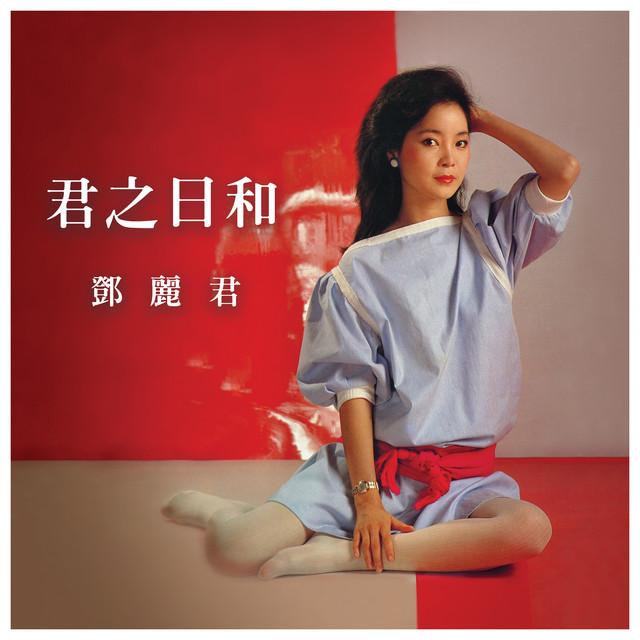
君之日和 鄧麗君
20 tracks
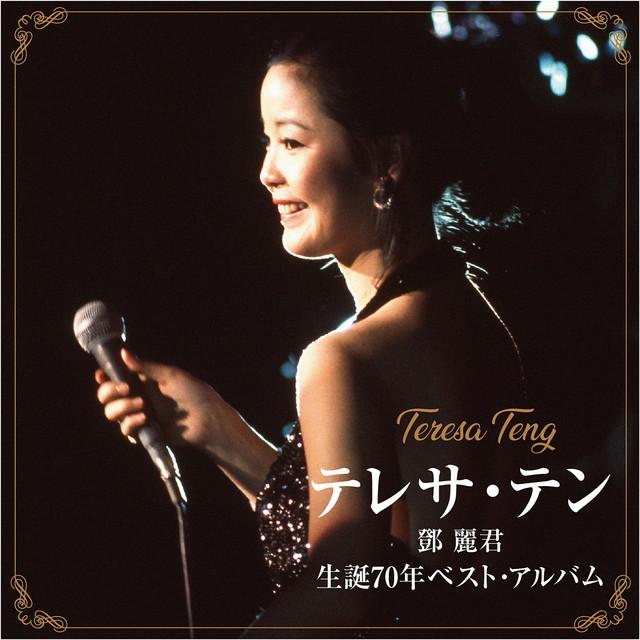
テレサ・テン 生誕70年ベスト・アルバム
19 tracks
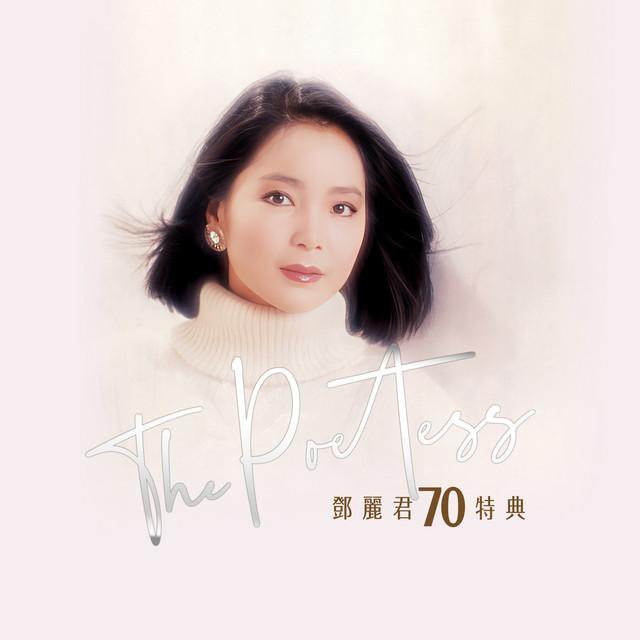
THE POETESS 鄧麗君70週年特集
70 tracks

At Her Best
25 tracks
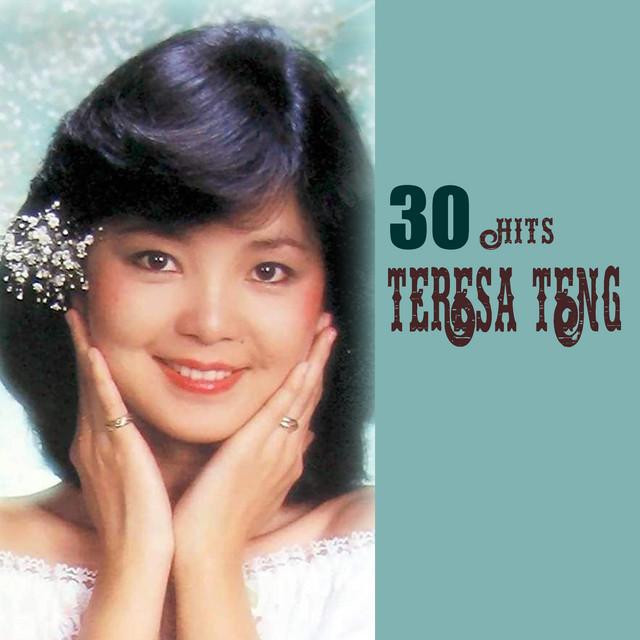
Teresa Teng 30 Hits
30 tracks