

About
Overview
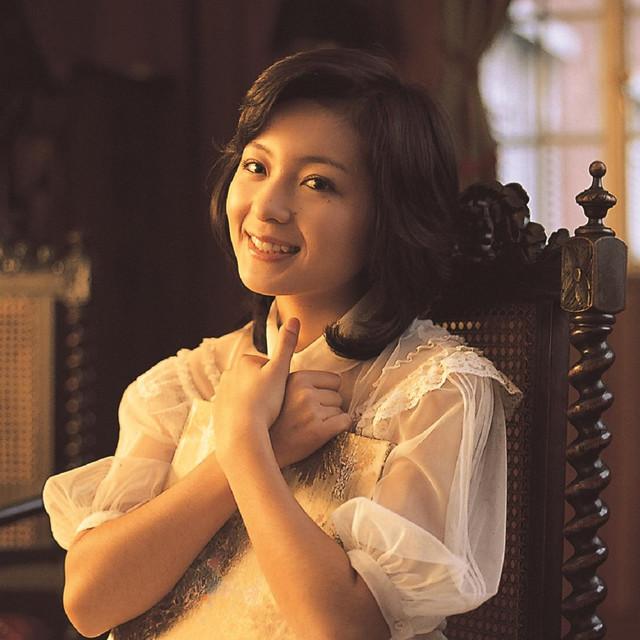
Hiromi Ota (太田裕美, born January 20, 1955) is a Japanese singer and singer-songwriter. Her real name is Hiromi Fukuoka (née Ota). Born in Arakawa, Tokyo, she grew up in Kasukabe, Saitama, and serves as the city's "Kasukabe Goodwill Ambassador." She debuted in 1974, and her December 1975 hit "Momen no Handkerchief" (Cotton Handkerchief) sold over a million copies, becoming her signature song. One of the idol-style singers who came to represent 1970s Japan, she carved out a distinctive place as a bridge between kayōkyoku pop and folk.
Career
Early years
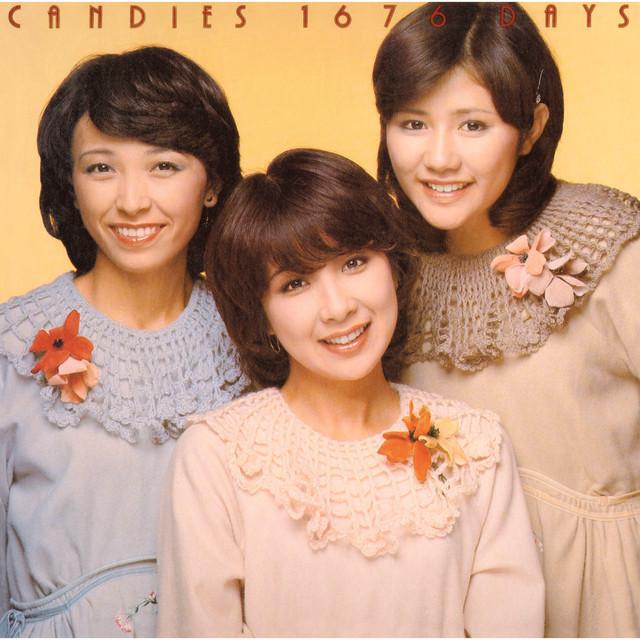
She moved to Kasukabe at age three, began piano at eight and wrote her first song around the same time. In 1967 she entered the vocal music course at Ueno Gakuen Junior High School. In 1969, as a third-year student, she auditioned for School Mates in place of a friend and passed, joining Watanabe Production's Tokyo Music Academy alongside future Candies members Ran Ito and Yoshiko Tanaka. After passing the audition for the NHK program "Stage 101" group Young 101 in November 1972, she appeared from January 1973 until the show ended in March 1974, and changed the characters of her stage name from 弘美 to 裕美. In December 1973 she won the TV audition show "Star on Stage" and signed a trainee contract with Watanabe Production, starting piano-accompanied performances at a live house in Nishi-Ginza.
Debut and "Momen no Handkerchief"
She debuted on November 1, 1974 with "Amadare / Shiroi Kisetsu," under the catchphrase "Magokoro Hikigatari." It sold 200,000 copies and earned her newcomer awards at the 1975 Japan Record Awards and the Japan Kayo Awards, among others. "Momen no Handkerchief" (lyrics by Takashi Matsumoto, music by Kyohei Tsutsumi), cut from her third album "Kokoro ga Kaze wo Hiita Hi," reached No. 2 weekly and No. 4 annually on the 1976 Oricon chart. She first appeared on NHK's Kōhaku Uta Gassen in 1976 and appeared for five consecutive years through 1980. Frequent university festival appearances earned her the nickname "Queen of the School Festivals." She was part of Watanabe Production's "NON STOP Project." The song "Hoshigatari" from her 1979 album "Feelin' Summer" was used as the theme of the shōjo manga "Hoshi no Hitomi no Silhouette."
New York and marriage
In 1982 she paused her career for eight months of solo study in New York, winning an excellence prize at the Nippon Broadcasting Seishun Bungei Award for her essay and later writing the book "New York Nante Kowakunai." On her return, her director changed to Tomohiko Fukuoka, her future husband, and from 1983 she released technopop-flavored songs. She married Fukuoka on January 26, 1985, and from the late 1980s also wrote songs for artists such as Mimori Yusa. During her hiatus she contributed spoken-word narration to a January 1988 Kronos Quartet album.
Return and recent activity
She resumed music activity in 1996, starting live shows on April 2. Her 1998 mini-album "Tamashii no Period" featured Matsumoto and Tsutsumi songs for the first time in 20 years. In 1999 she released the 25th-anniversary mini-album "Kamisama no Itazura" (including a collaboration with the Gospellers) and the mini-album "Candy," celebrating Matsumoto's 30 years as lyricist. In 2004 she released the collaboration album "Red Moon" with musician Ayuo on John Zorn's New York label Tzadik, and began holding "Acoustic Night" concerts as the trio "Nagomiz" with Shozo Ise and Masumi Ono. In 2006 she issued "Hajimari wa 'Magokoro' datta.," her first original full album since "TAMATEBAKO" 22 years earlier; thanks to numerous compilations in between, she jokingly calls herself the "Queen of Best Albums." She appeared at Matsumoto's 40th-anniversary concert on May 16, 2010, and marked her 40th anniversary in 2014 with "tutumikko," a tribute cover album of Tsutsumi's works. She also sang "Kibo" for the 2013 NHK drama "Made in Japan" and "Koi no Uta" as an insert song for the 2017 NHK drama "Hiyokko." She left her agency Voice and Rhythm on August 1, 2016, announced on September 18, 2019 that she was undergoing treatment for breast cancer, and released the 45th-anniversary album "Hiromi Deluxe" on November 1, 2019.
Musical style
Ota has described herself as a bridge between idol kayōkyoku and folk singers, aiming for the middle ground between the two. She began with piano-accompanied, folk-tinged songs, moved toward technopop and new wave from 1983, and later collaborated with Ayuo and koto player Kazue Sawai on a unique blend of New Age, classical and traditional Eastern music. She also writes her own songs, such as "Boku wa Kimi no Namida" and "Konpeito," several of which aired on NHK's "Minna no Uta," and released the children's song album "Donjarahoi" in 1992.
Videos
Popular Videos
Latest Videos
Related artists



Discography
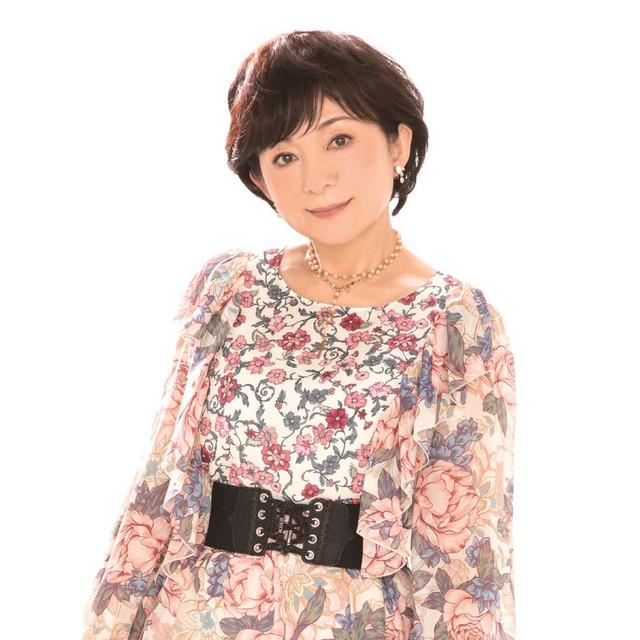
ヒロミ☆デラックス Mini
9 tracks
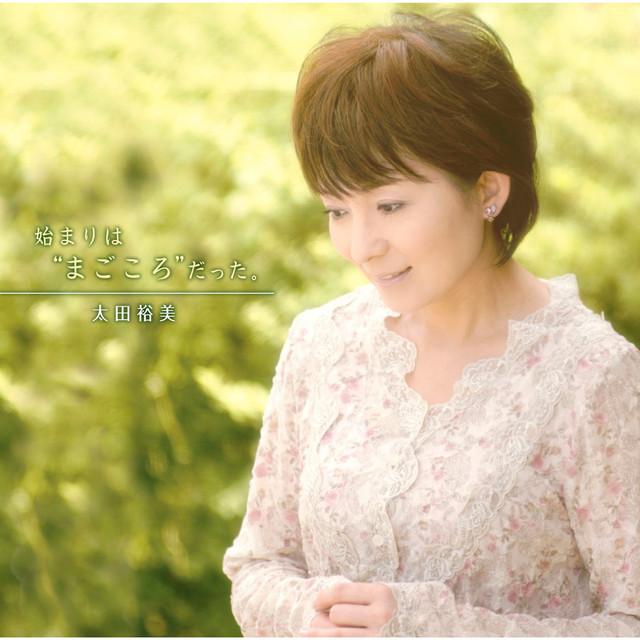
始まりは“まごころ”だった。
11 tracks
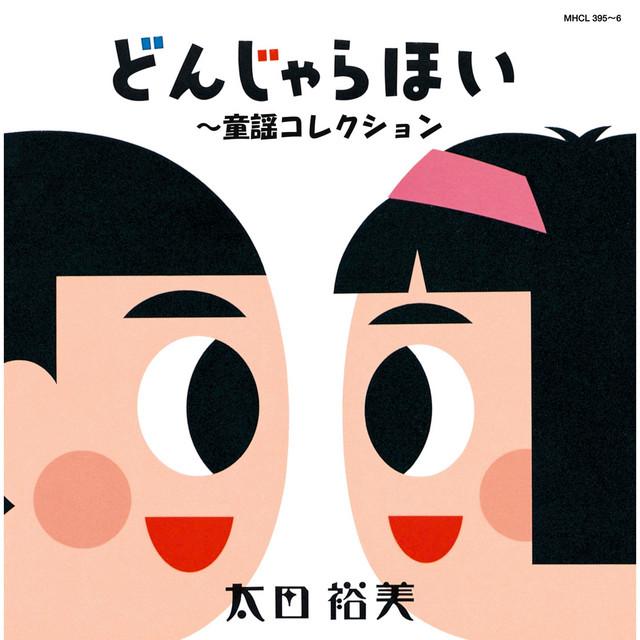
GOLDEN☆BEST / 太田裕美 どんじゃらほい~童謡コレクション
44 tracks
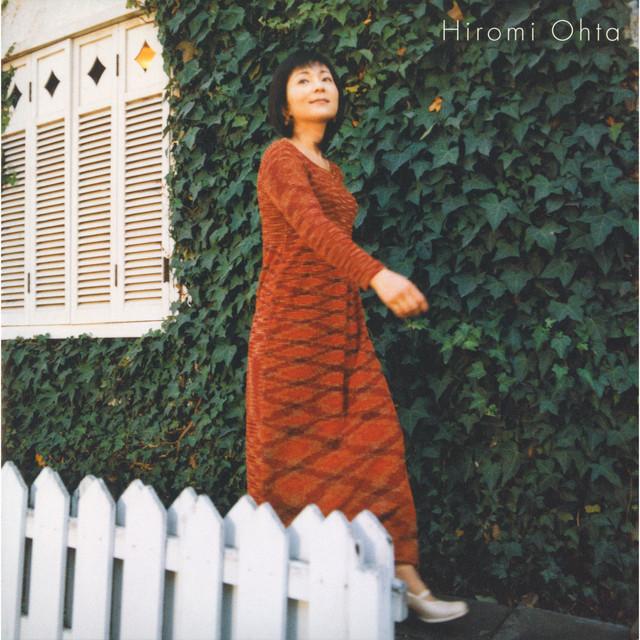
神様のいたずら
4 tracks
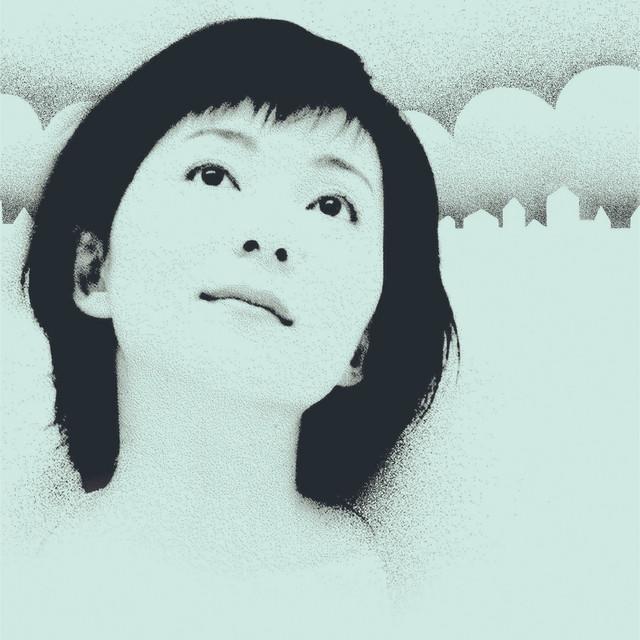
Candy
5 tracks
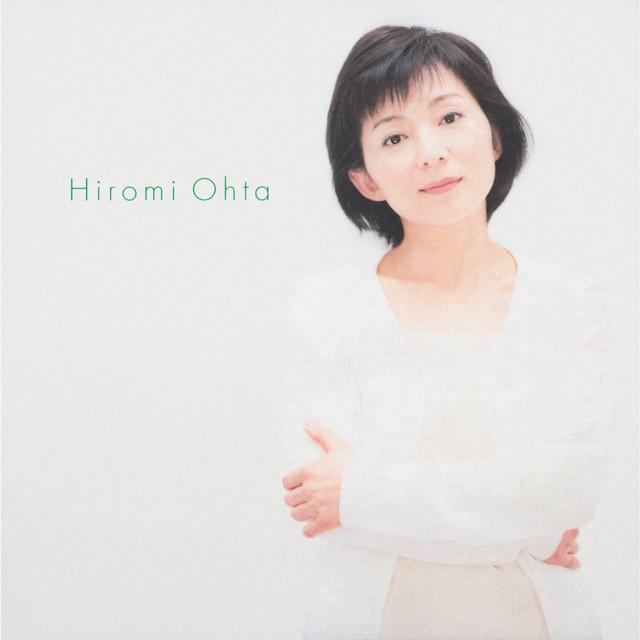
魂のピリオド
4 tracks
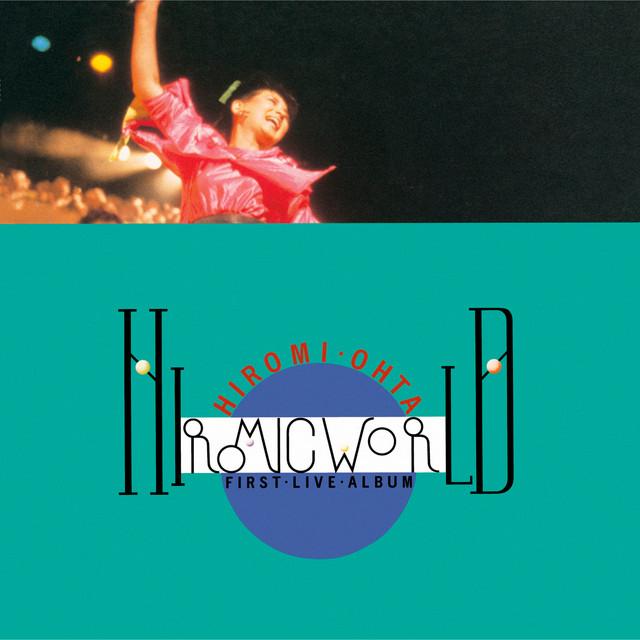
HIROMIC WORLD〜FIRST LIVE ALBUM
11 tracks
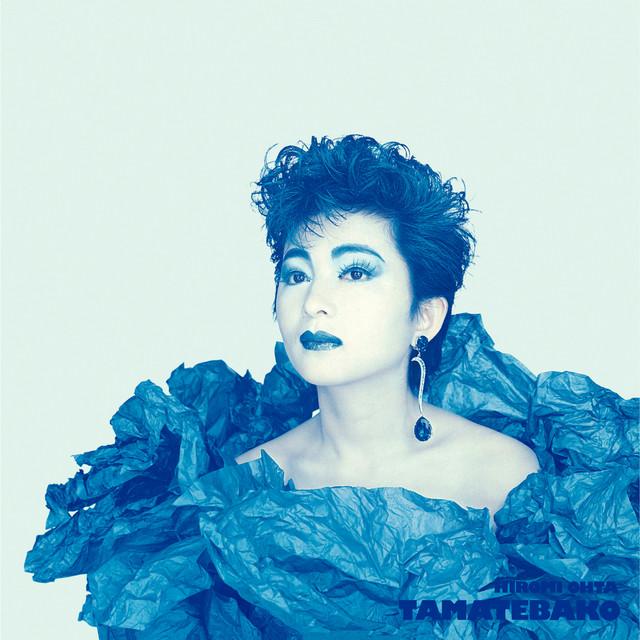
TAMATEBAKO
10 tracks
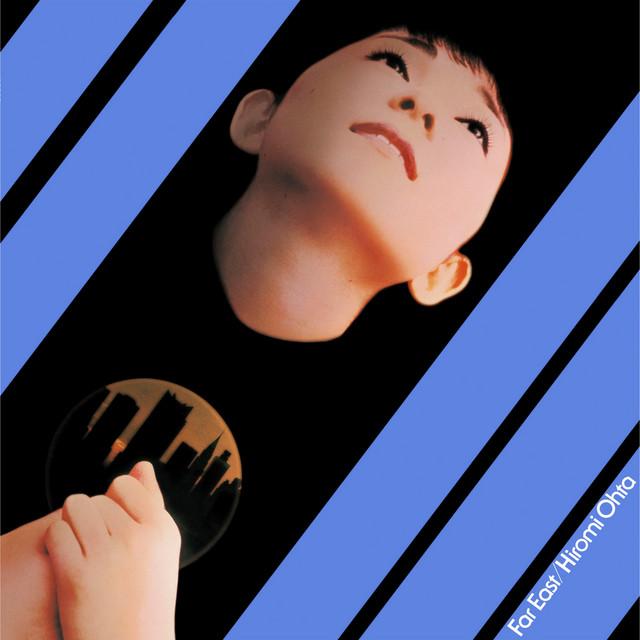
Far East
10 tracks
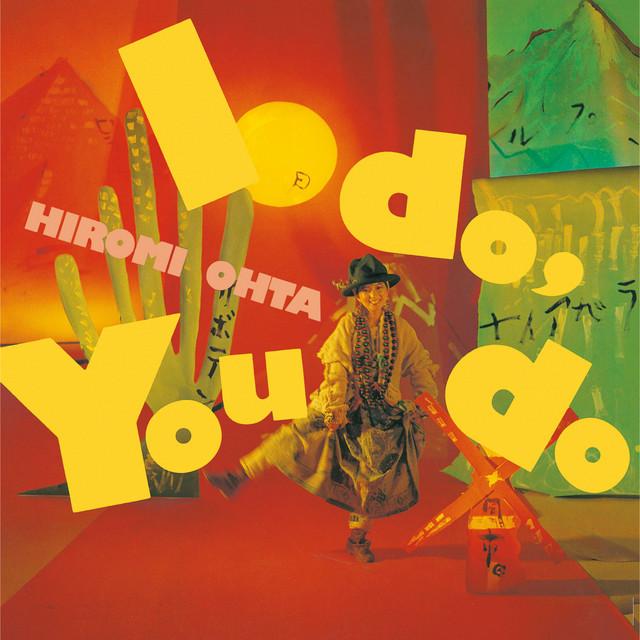
I do,You do あなたらしく、わたしらしく
10 tracks