

About
Overview
Takajin Yashiki (やしき たかじん, 5 October 1949 – 3 January 2014) was a Japanese singer-songwriter, television personality, presenter and radio host. Born in Nishinari-ku, Osaka, he worked mainly on Kansai regional programs and shows produced by Osaka broadcasters. He headed his own management company, Public Information Style (P.I.S), and served as captain and chairman of OSAKA Akaru Club, a private organization created to energize Osaka. His music spans enka, kayōkyoku and J-pop.
Career
Early life and Kyoto years
He was the second of four brothers. Hearing Connie Francis on the radio awakened his love of music, and he also bought Beatles records. In high school, a song written with a classmate's lyrics and his own melody was selected for NHK's program Anata no Melody and sung by Chiyo Okumura. He later entered Ryukoku University and moved to Kyoto, where he began performing with a guitar in Gion clubs and snack bars, building a wide repertoire.
1970s
He made his record debut in 1971 with Shōfu Kazuko on Kyoto Records, but it was banned and withdrawn soon after. He gave his first concert on 15 May 1973 at the Kyoto Bunka Geijutsu Kaikan. After moving to Futako-Tamagawa in Tokyo in 1974, he returned to Kyoto about a year later. In 1976 he made a second debut on King Bellwood with the single Yume Irankane and the album TAKAJIN, and was among the top five for FM Tokyo's best new artist that year. In 1977 he supplied five songs to a Takarazuka Revue recital, recording one of them, Last Show, himself, and sang the theme of the series Shin Kogarashi Monjirō. In 1978 he won the grand prix at the 2nd Osaka Popular Music Festival with Nagabanashi, a song about ten minutes long, which led him to continue as a singer.
1980s
He founded his fan club CONCORDE in 1980, met lyricist Etsuko Kisugi, released Ashita ni Nareba and moved his base to Shimokitazawa, Tokyo, where he also met Yasushi Akimoto. In 1981 he sang Suna no Jūjika, written by Shinji Tanimura, as the theme of the first Mobile Suit Gundam film; it was a hit, though he called it the greatest blemish of his career. He established P.I.S in Osaka in 1982. Anta (1984) marked his upturn, and Yappa Suki Yanen (1986) became a Kansai hit that made him an Osaka singer. ICHIZU (1987), Osaka Koi Monogatari (1989) and Nametonka (1990) followed, establishing him as a ballad singer with a strong Osaka identity. He is said to have worked closely with composer Shikamon Taro from that time.
1990s
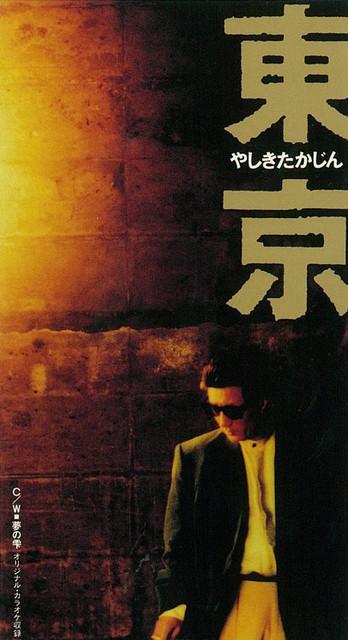
In 1992 he moved to Polystar and released the single Naitemo Ii ka. Tokyo (1993) became the biggest hit of his career. Other singles included Sayonara ga Ieru made (1993), Yasashii Onna ni wa Doku ga Aru and Naitara Make (1994), Moshimo Yume ga Kanau naraba (1996), Horeta Yowami (1997) and Omoide nite (1998), along with the album Catch Me (1995). After his 50th-birthday concert at Festival Hall on 5 October 1999, he took a break.
2000s onward
He resumed singing at a dinner show in Okayama in December 2001 and held a comeback concert at Festival Hall on 31 August 2002. He gave no concerts from 2003, but returned to singing through videos on his mobile site in late 2007. On 29 August 2008 he sang on stage for the first time in six years at koi-con, an event at Osaka-jo Hall marking Yomiuri TV's 50th anniversary. In 2009 he held his first concert tour in seven years, and in November 2010 he released Sono Toki no Sora, the OSAKA Akaru Club theme written by Akimoto and composed by Tetsuya Komuro. He later announced a diagnosis of esophageal cancer and took a leave to focus on treatment; after a short comeback in 2013, he died on 3 January 2014. The compilation Single Collection 1976-1982 was released in December 2014.
Television
A frank presenter, he was popular in Kansai through shows such as Takajin Mune Ippai (Kansai TV), Takajin no Money (TV Osaka), Takajin no Sokomade Itte Iinkai (Yomiuri TV) and Takajin ONE MAN (MBS). He openly disliked Tokyo and rarely appeared on Tokyo stations. His trademark was sunglasses, worn for taste and because of glaucoma.
Musical style
His music centered on ballads with a strong Osaka flavor, crossing enka, kayōkyoku and J-pop. He was known for his insistence on lyrics. His concerts were simple, with little staging and modest sets and lighting, emphasizing songs and talk, with talk taking up a large share of the show.
Related artists



Discography
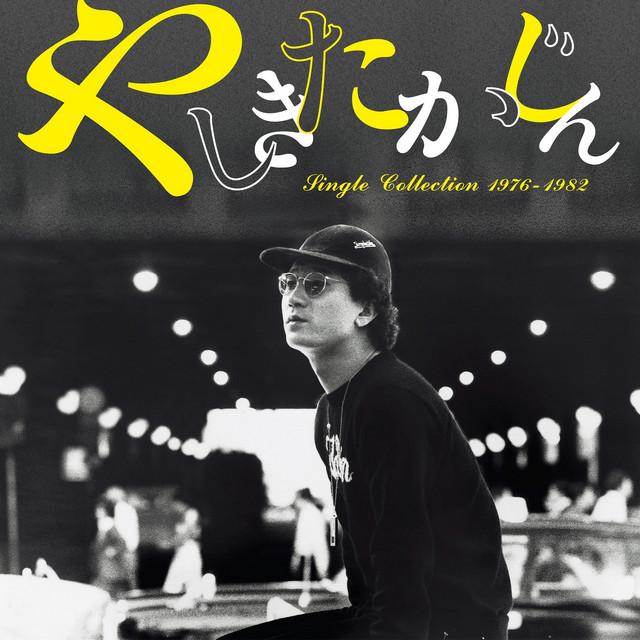
シングル・コレクション1976-1982<Disc2>
20 tracks
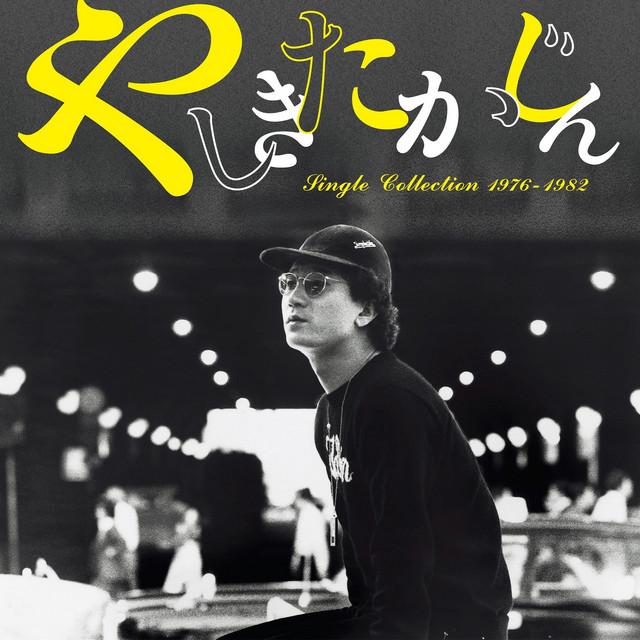
シングル・コレクション1976-1982<Disc1>
17 tracks
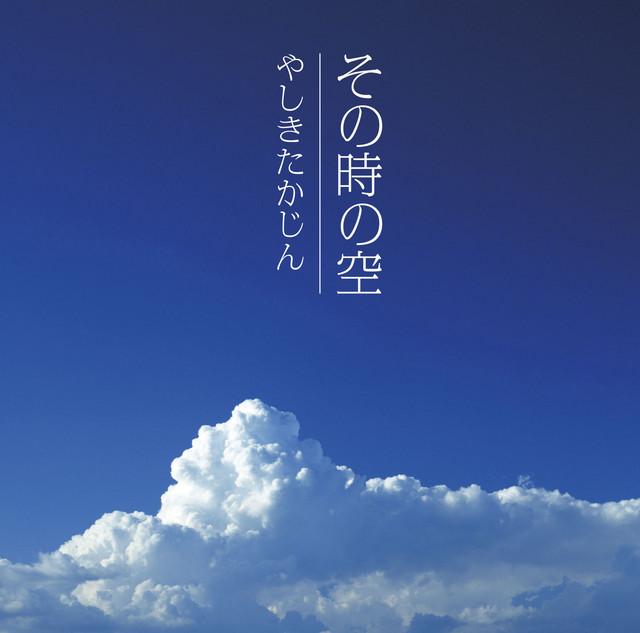
その時の空
3 tracks
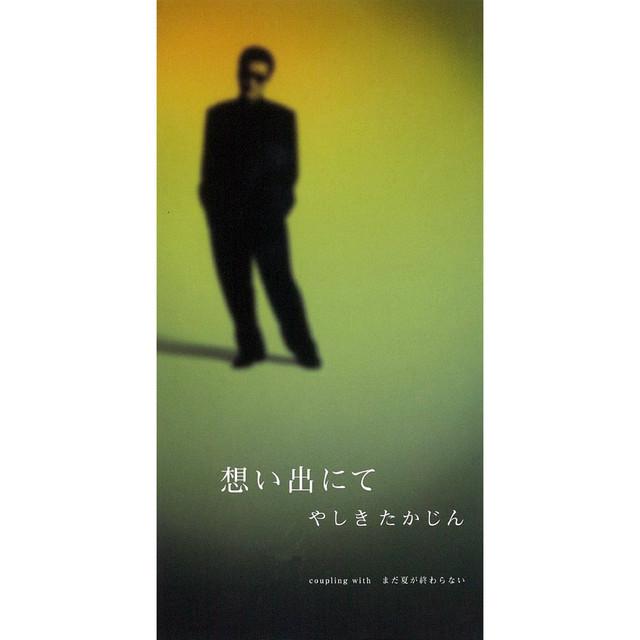
想い出にて
4 tracks
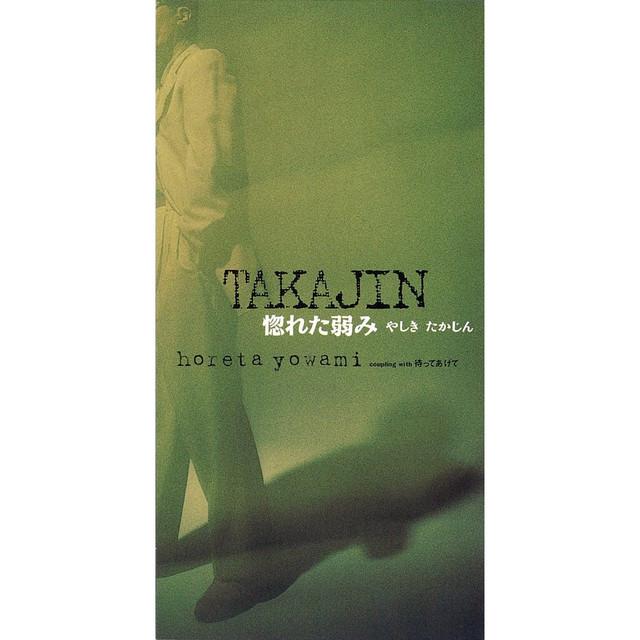
惚れた弱み
4 tracks
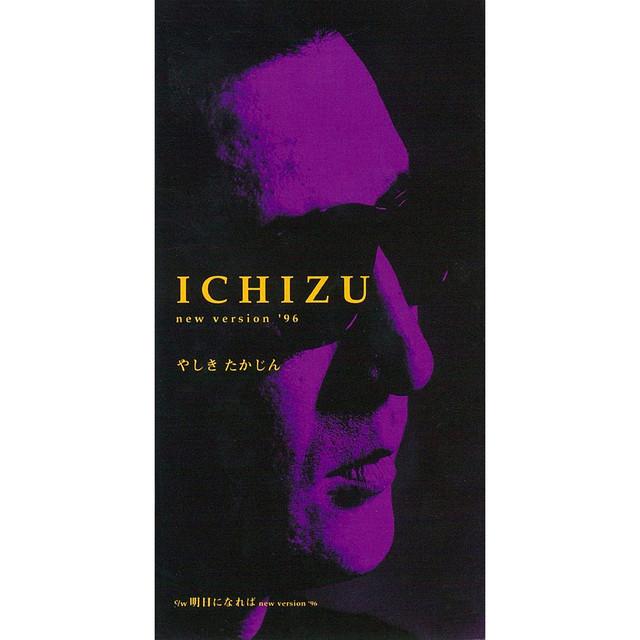
ICHIZU (new varsion'96)
4 tracks
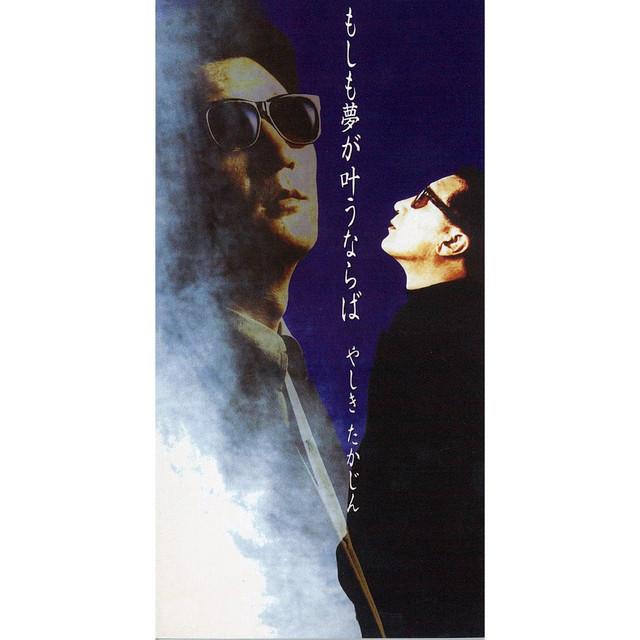
もしも夢が叶うならば
4 tracks
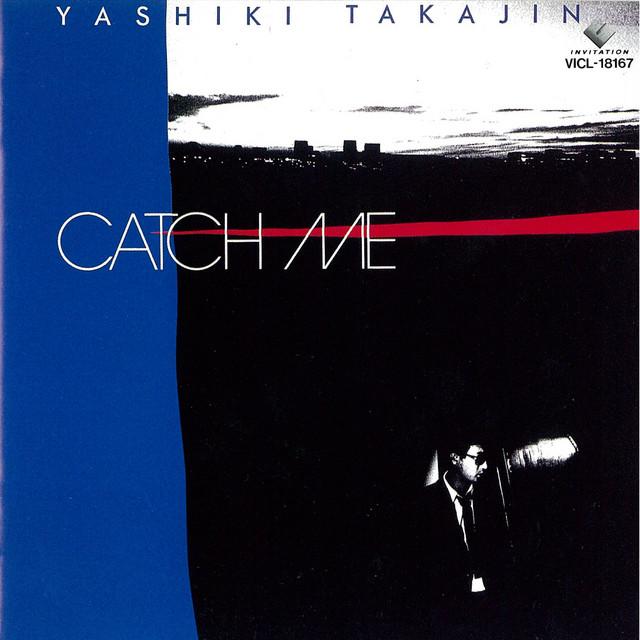
Catch Me
10 tracks
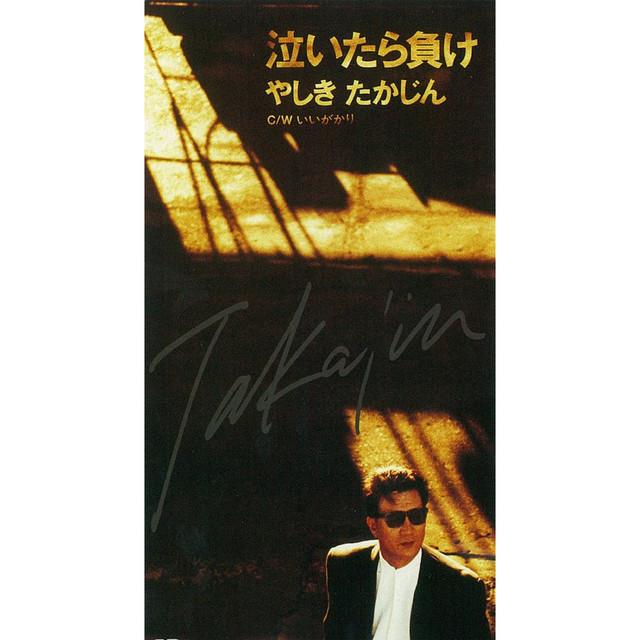
泣いたら負け
4 tracks
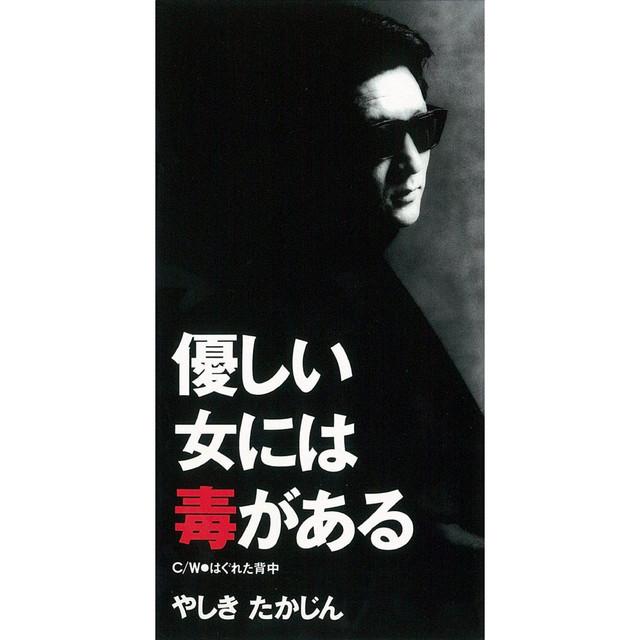
優しい女には毒がある
4 tracks