


About
Overview
Hibari Misora (美空ひばり, born Kazue Katō; May 29, 1937 – June 24, 1989) was a Japanese singer and actress born in Isogo-ku, Yokohama. Debuting as a child prodigy, she became known as the "Queen of Kayōkyoku" and remains one of the defining voices of the Shōwa era in enka and kayōkyoku. She recorded about 1,200 songs, and her record sales passed 100 million by 2019. In 1989 she became the first woman to receive the People's Honour Award, conferred posthumously.
Career
Childhood and debut
In 1943 she sang for her father at his wartime send-off, and her mother began arranging performances for her. She made her stage debut in 1945 under the name Kazue Misora. In 1946 she failed the NHK amateur singing contest because judges found her too mature for a child, but composer Masao Koga was impressed by her ability and encouraged her. Around 1948 the entertainer Haruhisa Kawada took her under his wing, and she adopted the name Hibari Misora.
Rise to national fame
She appeared in her first film in 1949 and made her record debut that year with "Kappa Boogie-Woogie" on Nippon Columbia. At twelve she starred in the film Kanashiki Kuchibue, a major hit with its theme song. In 1950 she toured the United States with Kawada, performing in Hawaii and California, and starred in Tokyo Kid, whose theme song was also a hit. In 1952 a single pairing the theme of Ringoen no Shōjo with "Ringo Oiwake" sold a record-setting 700,000 copies.
1950s and 1960s
She made her first Kōhaku Uta Gassen appearance in 1954 with "Hibari no Madorosu-san." In 1955 she appeared with Chiemi Eri and Izumi Yukimura in the film Janken Musume, and the trio became popular as the "Three Girls." She was briefly engaged to musician Mitsuru Ono in 1956. On January 13, 1957, she was attacked with acid at Asakusa International Theater by an obsessed fan, but recovered without serious scarring and later that year closed the Kōhaku as the red team's final performer. In 1958 she founded Hibari Productions and signed an exclusive contract with Toei; her Toei films numbered 102, and she appeared in more than 170 films overall. In 1960 she won the Japan Record Awards Vocal Prize for "Aishū Hatoba."
She married actor Akira Kobayashi in 1962 and they divorced in 1964. Soon after, her song "Yawara" became a major hit, selling 1.8 million copies and winning the Japan Record Award. "Kanashii Sake" (1966) and "Makka na Taiyō" (1967) followed with sales of 1.45 million and 1.4 million.
1970s and 1980s
In 1973 she was excluded from the Kōhaku after her brother was prosecuted; her 1979 guest appearance was her last. She held a recital at the Nippon Budokan in 1980 for her 35th debut anniversary. The 1980s brought great loss: her mother in 1981, her friend Chiemi Eri in 1982, and her brothers in 1983 and 1986. Hospitalized in 1987 with chronic hepatitis and femoral head necrosis, she returned in October with "Midaregami" and held the "Phoenix" comeback concert at the Tokyo Dome in April 1988. Her swan song "Kawa no Nagare no Yō ni" was released in January 1989, and she died on June 24, 1989, of respiratory failure from interstitial pneumonia.
Legacy
She received the People's Honour Award in July 1989. "Kawa no Nagare no Yō ni" was voted the top Japanese song in an NHK survey and has been covered by many artists. A memorial concert took place at the Tokyo Dome on November 11, 2012. In 2019 an NHK Special presented a new song, "Arekara," using AI vocal synthesis, and it was performed at that year's Kōhaku. The album Hibari Misora Symphonic Works was released in 2022.
Musical style
Misora worked across enka and kayōkyoku, singing boogie-woogie, love songs and period-film themes. Known from childhood for a strikingly mature voice, she was strongly influenced by the phrasing of her mentor Haruhisa Kawada.
Related artists






Discography
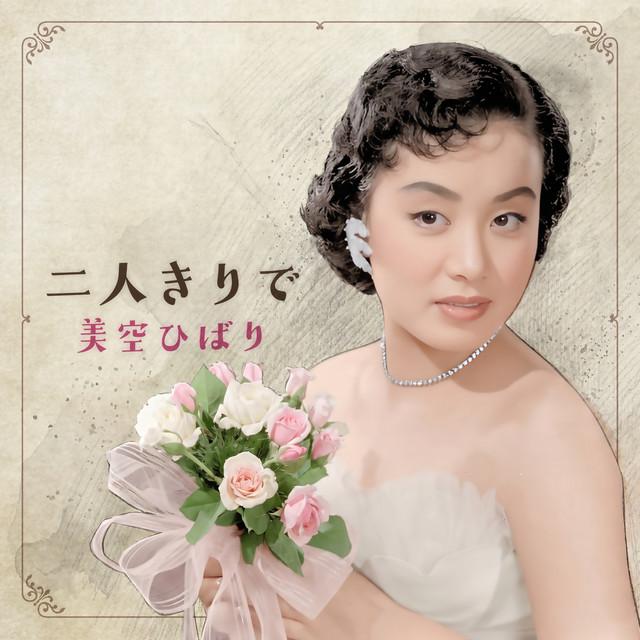
二人きりで
1 track
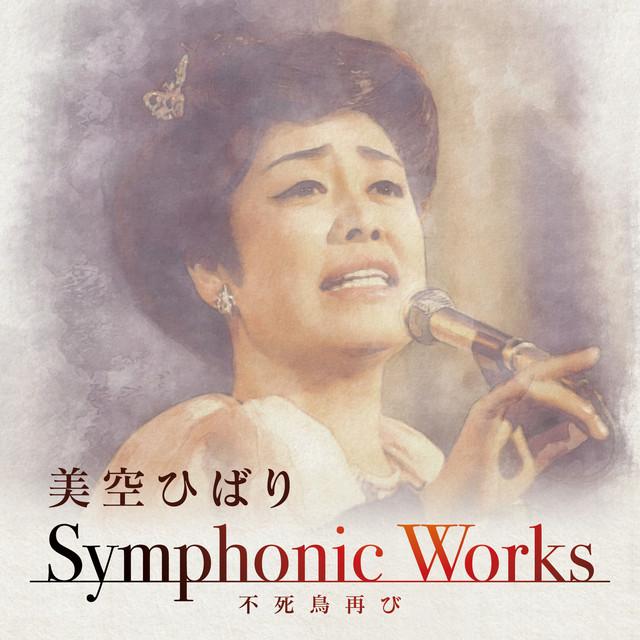
美空ひばり Symphonic Works 〜不死鳥再び
10 tracks
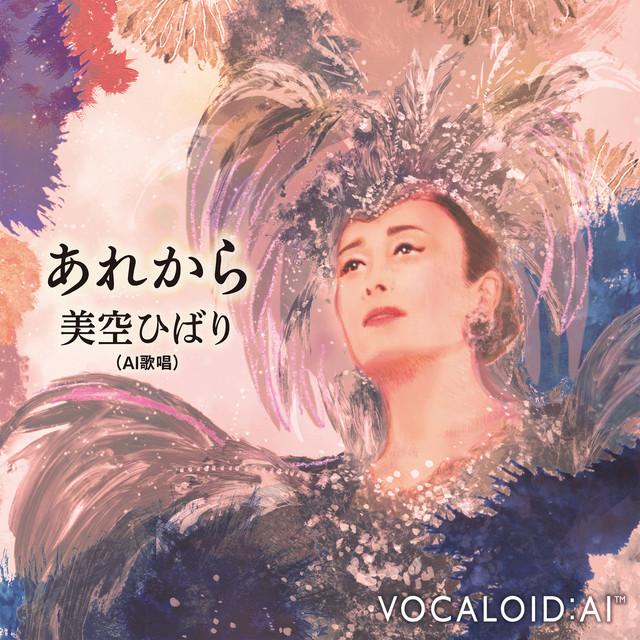
あれから (AI歌唱)
3 tracks

あれから [NHKスペシャル・バージョン (AI歌唱)]
1 track
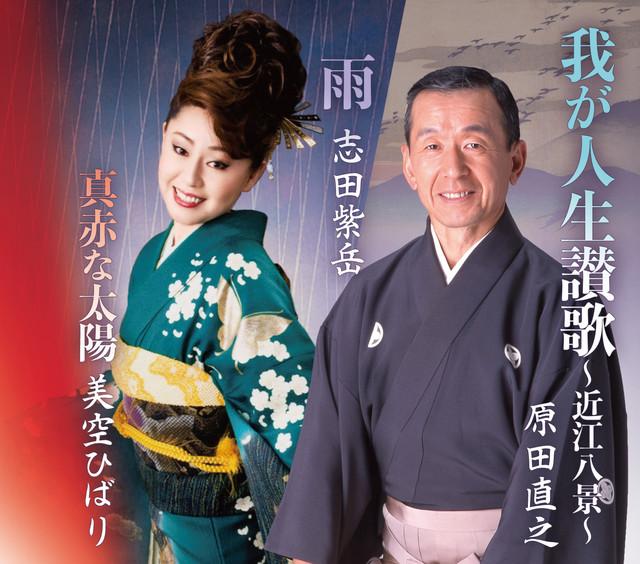
総おどり 我が人生讃歌 〜近江八景〜 / 雨 / 真赤な太陽
5 tracks
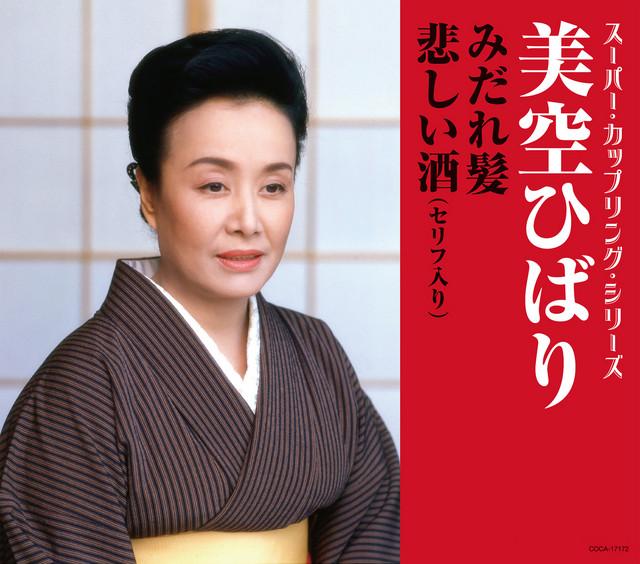
スーパー・カップリング・シリーズ みだれ髪 / 悲しい酒 (セリフ入り)
4 tracks
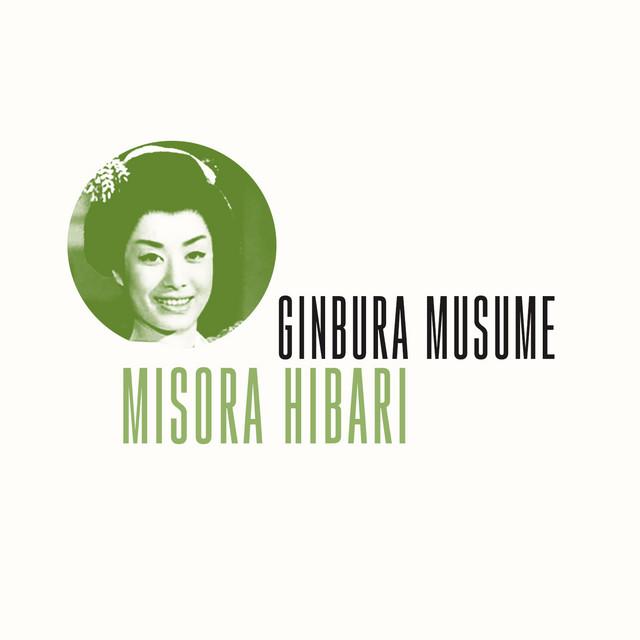
Ginbura Musume
1 track
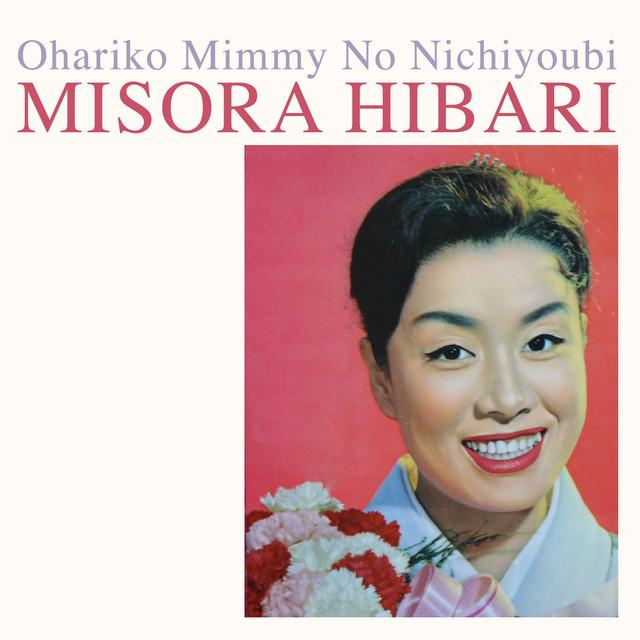
Ohariko Mimmy No Nichiyoubi
1 track
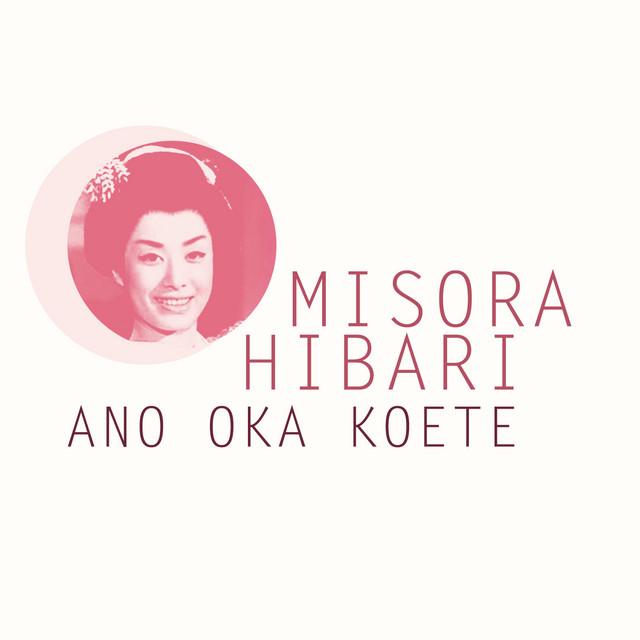
Ano Oka Koete
1 track
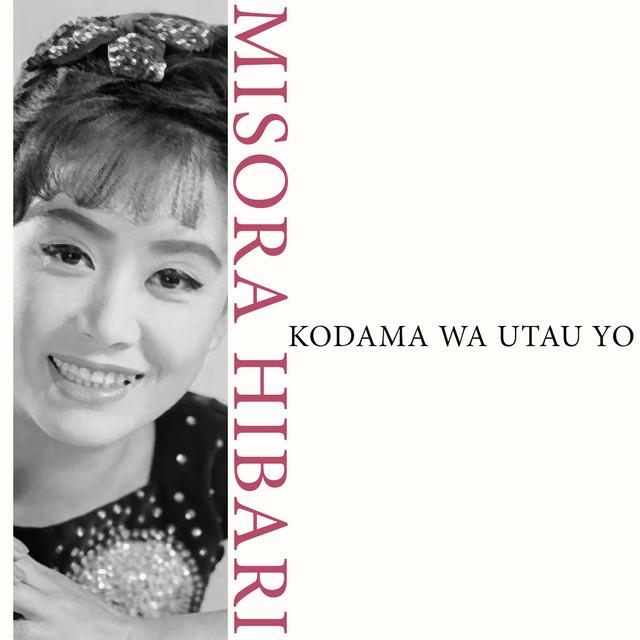
Kodama Wa Utau Yo
1 track