

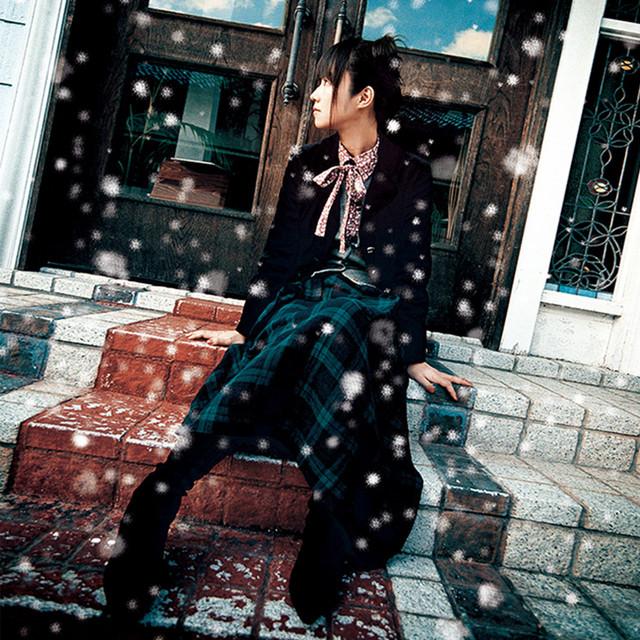
About
Overview
Miho Komatsu (小松 未歩, born March 30, 1974 in Kobe, Hyogo) is a Japanese singer-songwriter, lyricist, composer and essayist. Based in the Kansai region, she was part of the Being group (now B ZONE) and later affiliated with GIZA studio. She debuted in 1997 with "Nazo", the opening theme of the anime Detective Conan (Case Closed), and became known for hits such as "Negai goto Hitotsu dake", "Chance", "Kōri no ue ni Tatsu yō ni" and "Anata ga Iru kara". Throughout her career she avoided television, radio and live performances, a media-restricted approach once common in the Being camp.
Career
Early life and beginnings
Komatsu began playing the electone at age three, influenced by her brother. In junior high she joined her first band as keyboardist and started writing songs, and from high school she sang in a band at live houses in the Keihanshin area. She is said to have written more than 300 original songs by her debut. She made her first composition demo in 1996. Industry insiders later revealed that her path to debut actually began when, during a job interview for a secretarial position, Daiko Nagato suggested she make a demo tape.
1997–1999
On April 23, 1997, she made her songwriting debut with Field of View's "Kono Machi de Kimi to Kurashitai". On May 28 she debuted as a singer on ZAIN RECORDS with "Nazo", which peaked at No. 9 on the Oricon weekly singles chart, stayed in the top 100 for 32 weeks and sold about 283,000 copies. In July she moved to Amemura O-town Record, released "Kagayakeru Hoshi" on September 25, and her debut album Nazo on December 3, which reached No. 5 and sold about 380,000 copies. In 1997 she also wrote for Deen ("Kimi ga Inai Natsu"), Wands ("Sabitsuita Machine Gun de Ima o Uchinukō") and Arisa Tsujio ("Aoi Sora ni Deaeta"), later self-covering these songs on her debut album.
In January 1998 she released "Negai goto Hitotsu dake". In March she won Best New Artist of the Year at the 12th Japan Gold Disc Awards for "Nazo" and the album Nazo. She followed with "Anybody's game", "Chance" (her highest-charting single at No. 3) and "Kōri no ue ni Tatsu yō ni". Her second album Miho Komatsu 2nd Mirai (December 19) reached No. 3 and sold over 600,000 copies, her best-selling release; all her 1998 releases entered the Oricon top ten.
In April 1999 she moved to GIZA studio, and Amemura O-town Record ceased operations. "Kaze ga Soyogu Basho" was used as the opening theme of Monster Farm.
2000–2006
Her third album 3rd everywhere came out in February 2000. "Anata ga Iru kara" (June 21), theme of the film Case Closed: The Fourteenth Target-era feature Detective Conan: Captured in Her Eyes, was her last Oricon top-ten single, and its video was the first to show her singing. In 2001 she released 4 A thousand feelings (March; her last top-ten album), her first non-tie-up single "Todomaru koto no nai Ai" (May), and "Aishiteru…" (December), the first with a full-length music video. From July 2001 to May 2006 she serialized the essay "Komatsu Miho no Henna Monosashi." in J-groove magazine.
She released "mysterious love" (November 27, 2002, her first collaboration with arranger Akihito Tokunaga), "Futari no Negai" (March 19, 2003), "Watashi Sagashi" (June 25, 2003) and the album 6th Hanano (September 25, 2003). On November 26, 2003 she simultaneously issued the ballad selection album lyrics, the single "Tsubasa wa Nakutemo" and her first essay book. Further singles followed: "Namida Kirari Tobase" (April 2004), "Suna no Shiro" (July 2004), "I ~Dareka…" (October 2004), the album 7 prime number (January 2005), "I just wanna hold you tight" (May 2005), "Anata Iro" (August 2005) and "Koi ni Nare…" (December 2005). The album 8 a piece of cake arrived in April 2006, and on November 22, 2006 she released her first best-of, Miho Komatsu Best once more, together with a second essay book.
2007 onward
She marked her tenth anniversary in May 2007 but released no further music, limiting activity to a web diary and photo updates on her official site. The diary stopped updating on January 12, 2009, and the photo posts ended on February 28, 2009. No activity has been confirmed since, and although there has been no official announcement, she is regarded as effectively retired.
Musical style
Rockaku (Kanonji Rockaku) produced her work from debut until 2000; from 2001 she self-produced. Her usual process starts with a theme and a melody composed at the piano from hummed ideas, a demo that an arranger develops, then lyrics and finally vocal recording. Hirohito Furui arranged most of her songs, joined later by Yoshinobu Ōga, Akihito Tokunaga, Tetsu Kobayashi and others. Her lyrics blend imagination with personal experience and emphasize how words fit the melody. She has used double-tracked vocals since her debut and selected microphones herself for each song. She cites The Beatles, Wham!, Billy Joel, Carole King and Stevie Wonder as influences. Her albums traditionally carry her own name in the title (except Nazo and lyrics). As a writer she also supplied songs to Deen, Wands, Rina Aiuchi and U-ka Saegusa in dB, and critics have praised her delicate lyrics and accessible melodies.
Related artists
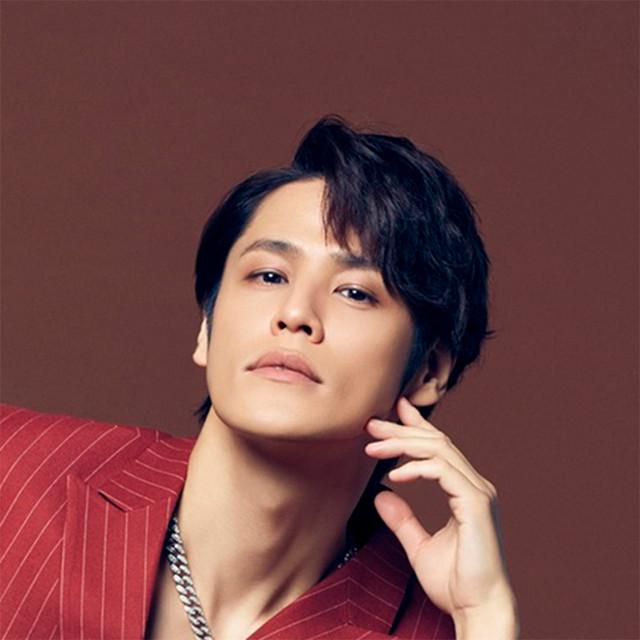





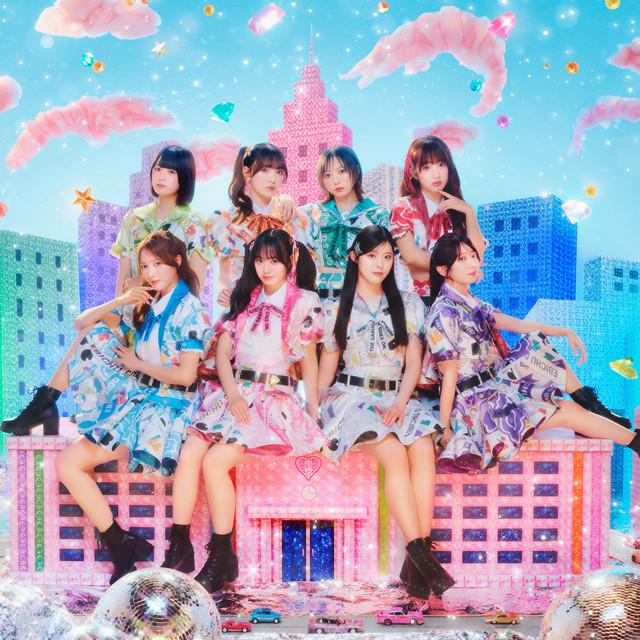
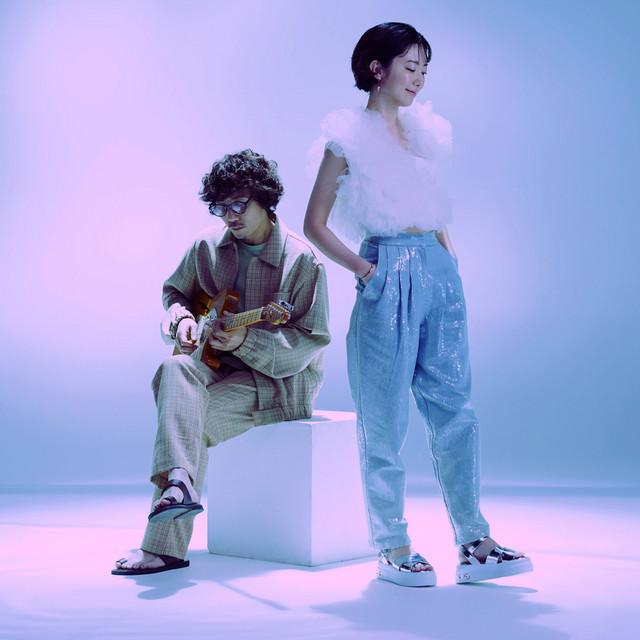
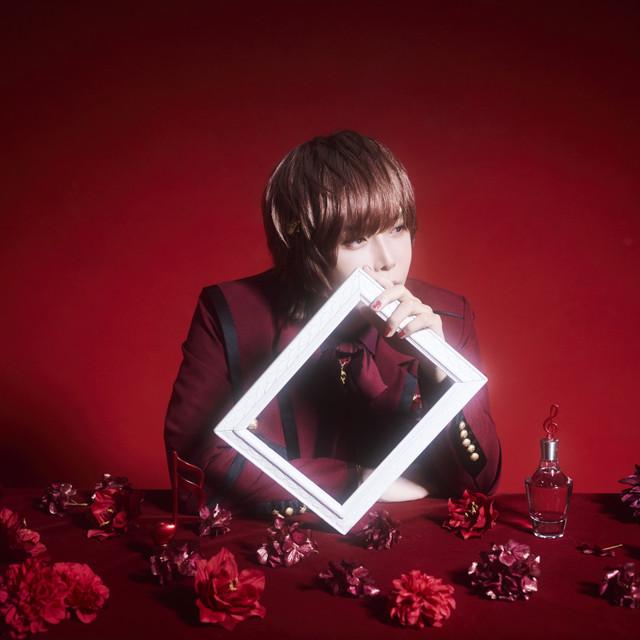

Discography
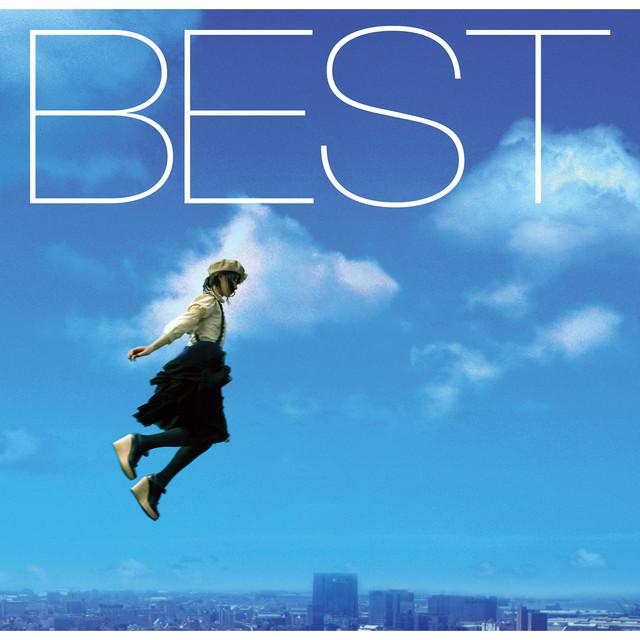
小松未歩 ベスト ~once more~
27 tracks
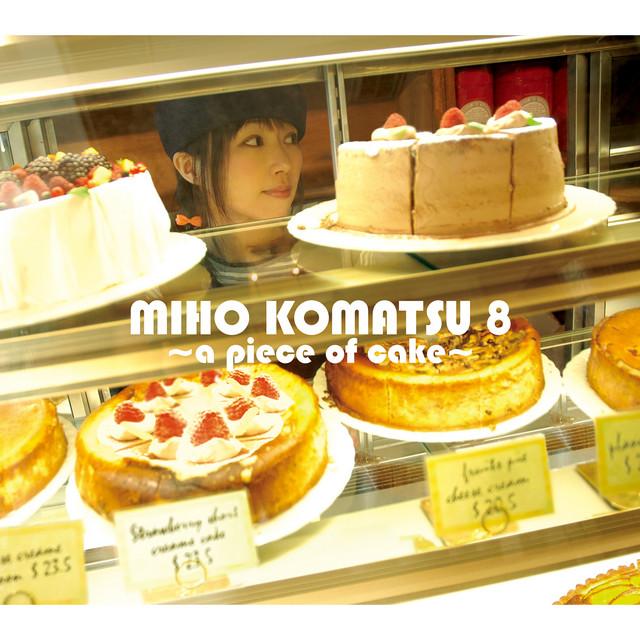
小松未歩 8 ~a piece of cake~
12 tracks
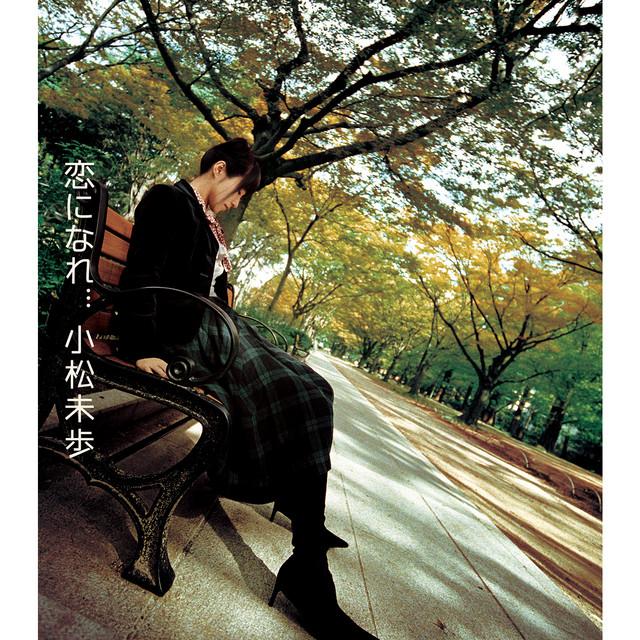
恋になれ…
4 tracks
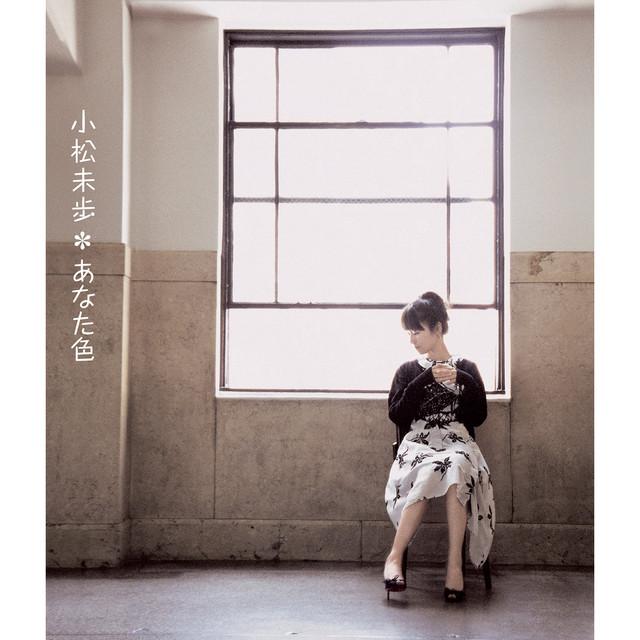
あなた色
3 tracks
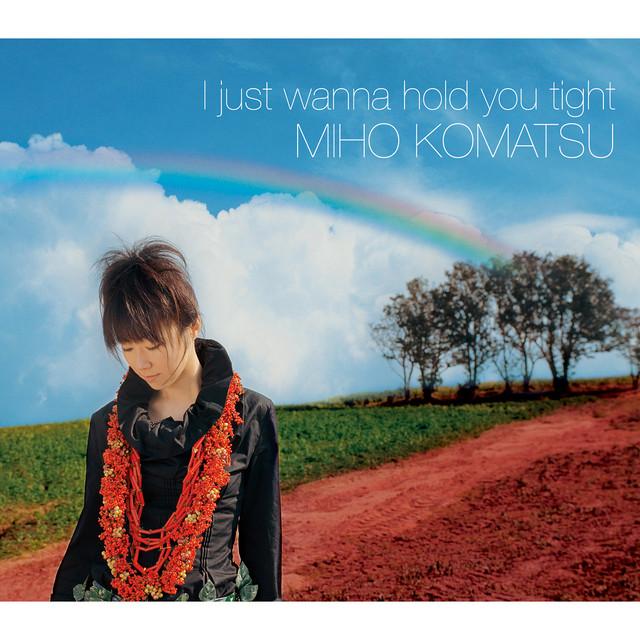
I just wanna hold you tight
3 tracks
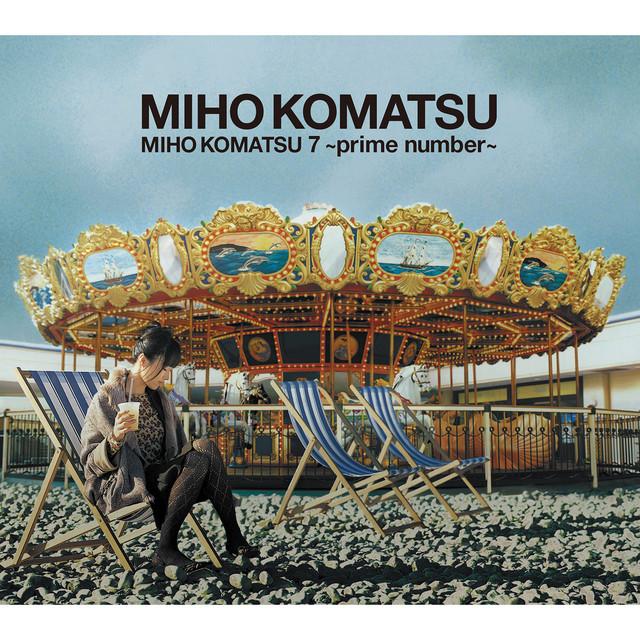
小松未歩 7 ~prime number~
13 tracks
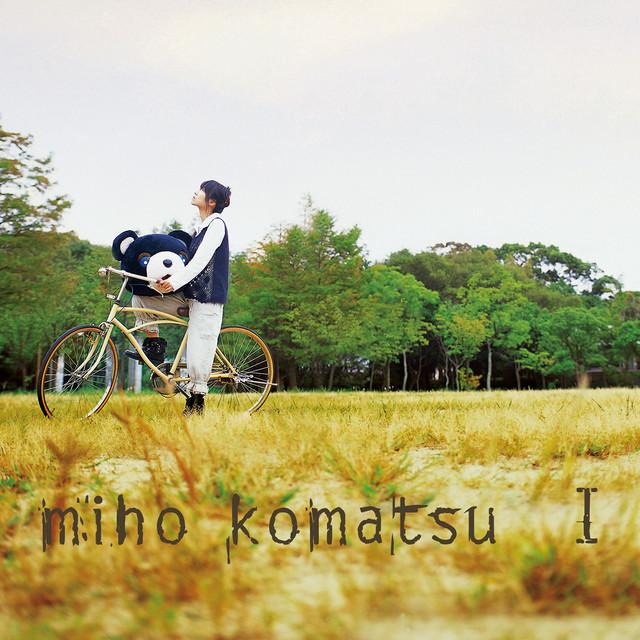
I~誰か…
3 tracks
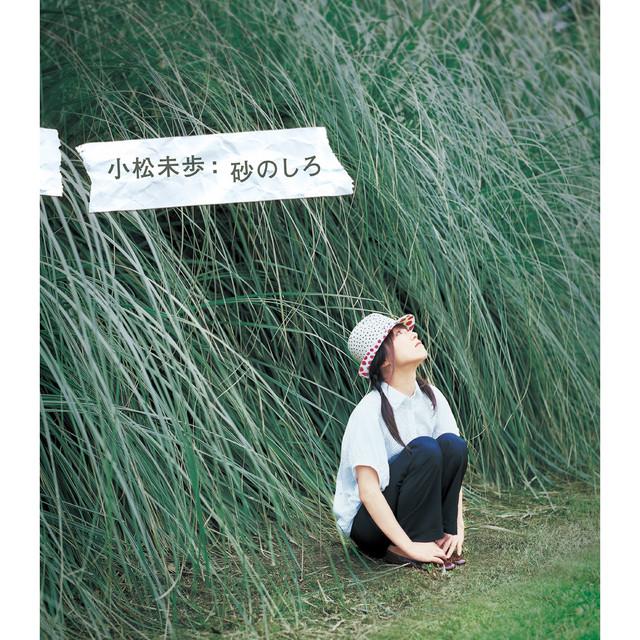
砂のしろ
3 tracks
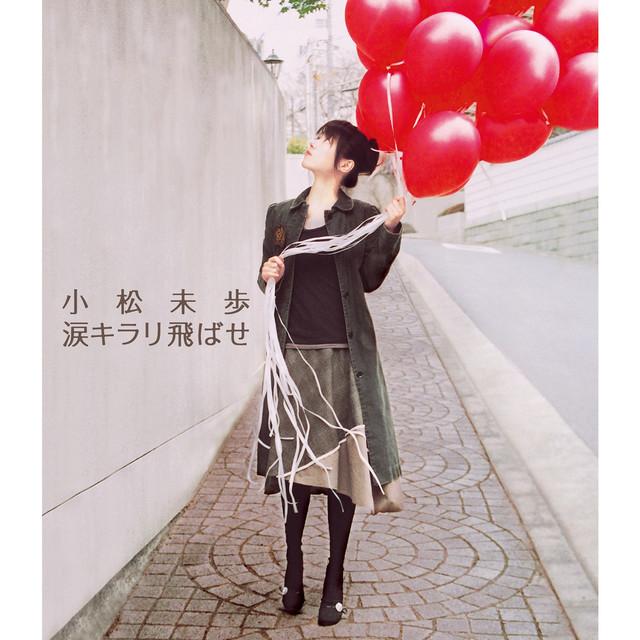
涙キラリ飛ばせ
3 tracks
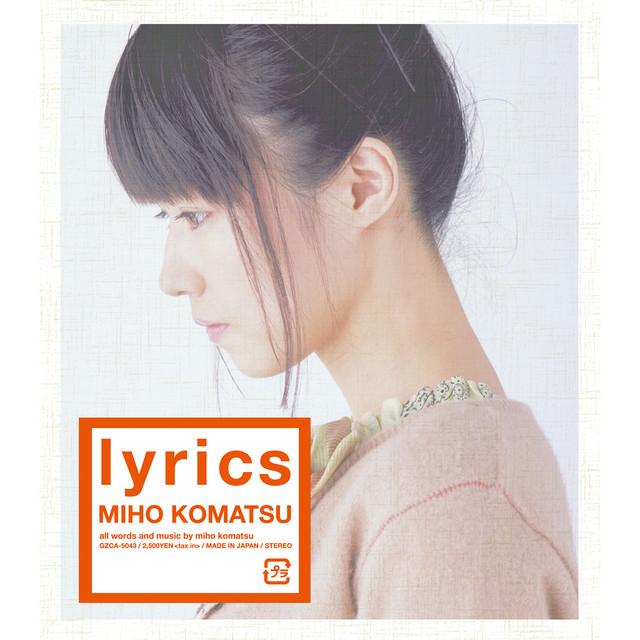
lyrics
15 tracks