

About
Overview
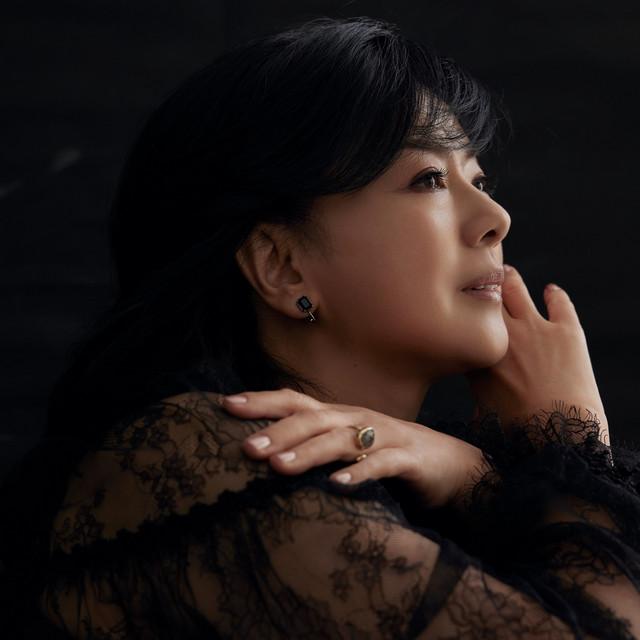
Hiroko Yakushimaru (薬師丸ひろ子, born Hiroko Yakushimaru on June 9, 1964 in Kita-Aoyama, Minato, Tokyo) is a Japanese actress and singer. Since her 1978 debut she has been a central figure of Kadokawa films at the peak of their popularity, and since the 2000s she has been a veteran actress who handles lead and supporting roles from serious drama to comedy, as well as a mature singer. She graduated from Tokyo Metropolitan Yashio High School and Tamagawa University (English and American Literature). Alongside Tomoyo Harada and Noriko Watanabe she was dubbed one of the "Kadokawa Sannin-musume" (Kadokawa three girls). According to Oricon, her singles sold about 3.96 million copies through 2018 and her albums about 1.89 million through 2005, roughly 5.85 million combined.
Career
Kadokawa years (1978–1985)
As a first-year junior high student she won the audition for the role of Yoriko Nagai in Kadokawa's third film, The Proof of the Man (Yasei no Shōmei), and made her screen debut in 1978 opposite Ken Takakura. The film was the first Kadokawa production to top the annual Japanese box office. In 1979 a Shiseido commercial, "Iro," won a gold prize at the Cannes International Advertising Festival, and while she paused acting for high school entrance exams, her photo book Hiroko Yakushimaru Photo Memoire sold over 100,000 copies. She also appeared in G.I. Samurai (1979).
In 1980 she took her first lead role in Shinji Sōmai's Tonda Couple, winning the Yokohama Film Festival Best Actress award and a Japan Academy Prize popularity award. After Nerawareta Gakuen (1981), she reunited with Sōmai for Sailor Suit and Machine Gun at the end of 1981. The film was a major hit, and its title song, her debut single, reached No. 1 on Oricon and stayed there until January 18, 1982. On the second day of release, about 8,000 fans converged on Osaka theaters, requiring riot police; on December 25 she announced a break to prepare for university entrance exams, which lasted a year and a half.
During the break, the Sailor Suit and Machine Gun soundtrack topped the Oricon weekly LP chart in January 1982, and the narration-based album Hiroko: Seishun no Memoire (April) hit No. 1 in May. Detective Story (July 1983, co-starring Yusaku Matsuda) became her highest-grossing Kadokawa film, with distribution revenue of 2.8 billion yen and box-office revenue of 5.1 billion yen. She then starred in Satomi Hakkenden (1983) and Main Theme (1984), with theme songs "Tantei Monogatari," "Main Theme," and "Woman: From 'W's Tragedy'" all becoming hits. Shinichiro Sawai's W's Tragedy (December 1984) became her signature film and earned her the Best Actress prize at the 27th Blue Ribbon Awards.
After going independent (1985–present)
On March 26, 1985 she left Haruki Kadokawa's agency, founded her own office Office Mell, and chose to work fully freelance. She went on to appear in Yaban-jin no Yō ni (1985), Shinshi Domei (1986), Downtown Heroes (1988), Lady! Lady READY! (1989), Let's Go to the Hospital, and Tasmania Story. As a singer she released singles such as the NTT commercial song "Anata o Motto Shiritakute" and the film theme "Shinshi Domei," along with original albums and concerts. In 1989 she appeared in a Fuji TV documentary on Sakhalin that won an Excellence Award at the 7th ATP Awards; a sequel aired in 1992.
In 1991 she married Kōji Tamaki, leader of Anzen Chitai, and stepped away from music and film; they divorced in 1998. In 1997 she starred in the drama Mrs. Cinderella, her first in 18 years, expanding her work into television.
In the 2000s, roles in Kisarazu Cat's Eye, 1 Litre of Tears, and the Always: Sunset on Third Street films established her as one of Japan's leading actresses. In the 2010s she appeared in Izumi Kizara-scripted dramas and stage plays and made her first NHK morning drama appearance in Amachan (2013), while continuing her music career, including a 35th anniversary concert. She won the Broadcast Woman Award in 2013 and made her first appearance on NHK's 65th Kōhaku Uta Gassen in 2014. She later appeared in Bride for Eight Years (2017), Unnatural (2018), and the NHK taiga drama Idaten (2019, her first), followed by Tonbi (2022) and Last Mile (2024). In 2024 she received the Kinuyo Tanaka Award at the 78th Mainichi Film Awards.
Recent music releases
She released the albums Toki no Tobira (2013), Cinema Songs (2016), and Étoile (2018); a live album from Bunkamura Orchard Hall (2020); the single "Come Back To Me: Eien no Yokogao" and Highlights from Indian Summer (2021); the singles "Suteki o Atsumete" and "Toki no Michishirube" (2023); and, in 2024, "Kimi to Watashi no Uta" featuring LIBERA and the album Tree. Live albums from her 2022 and 2023 concerts have also been released.
Musical style
Her work is associated with kayōkyoku, enka, city pop, and J-POP. She began as a singer of film theme songs and grew in parallel with her acting career, and her singing has been praised for its resonant volume and good sense of rhythm.
Videos
Popular Videos
Latest Videos
Related artists



Discography
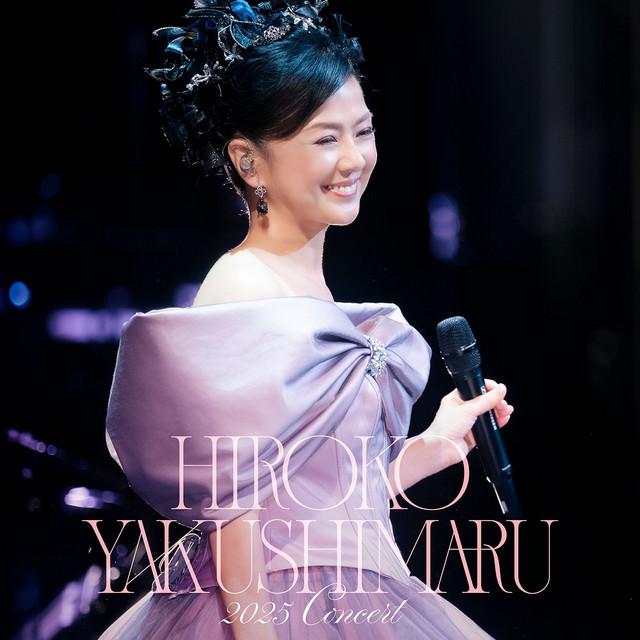
薬師丸ひろ子 2025コンサート
17 tracks
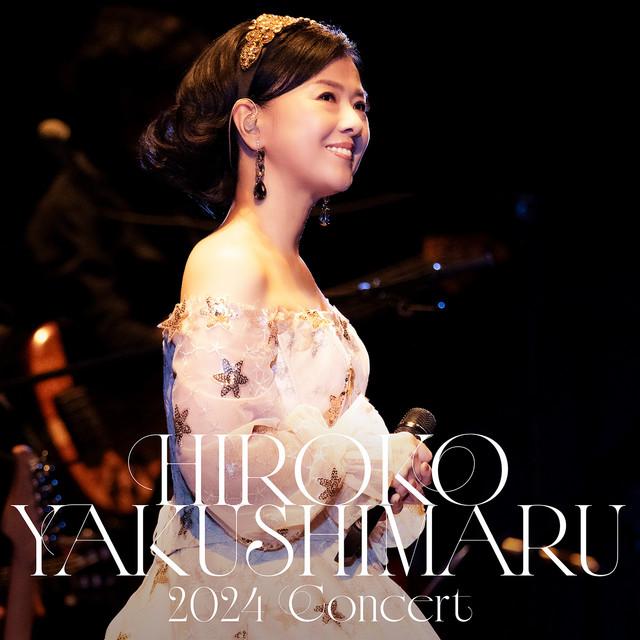
薬師丸ひろ子 2024コンサート
16 tracks
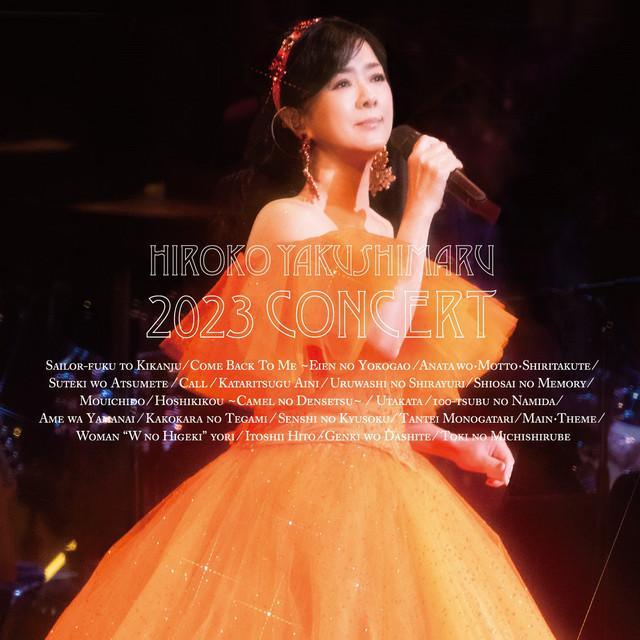
薬師丸ひろ子 2023コンサート (Live at 東京国際フォーラム ホール A on October 26, 2023)
17 tracks
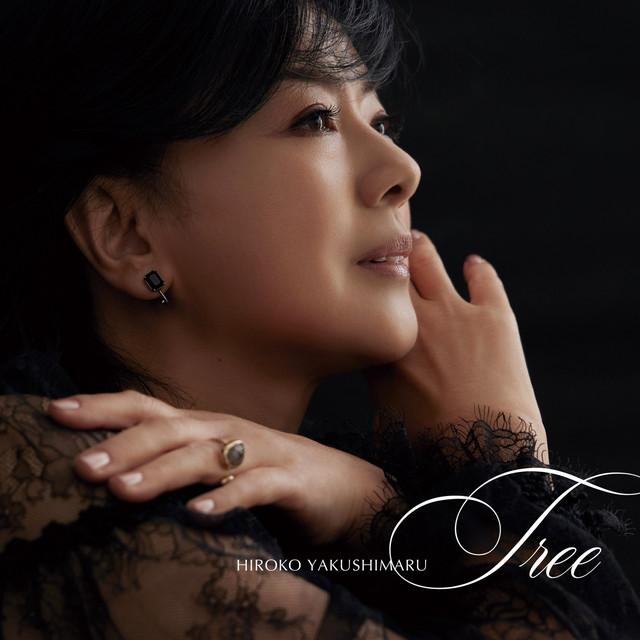
Tree
10 tracks
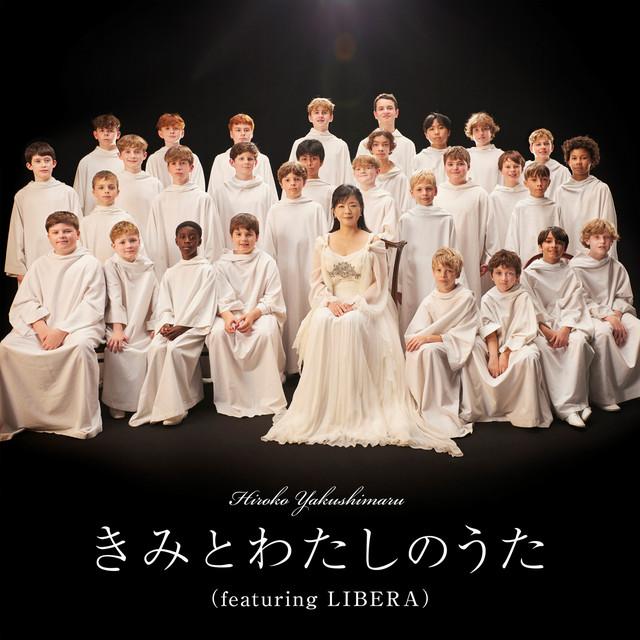
きみとわたしのうた(featuring LIBERA)
1 track
時の道標
1 track

素敵をあつめて
1 track
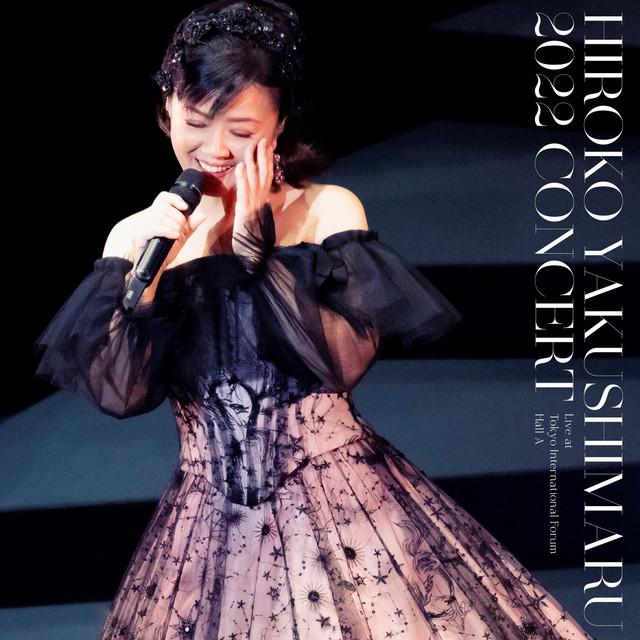
薬師丸ひろ子 2022コンサート (Live at 東京国際フォーラム ホール A on November 18, 2022)
18 tracks
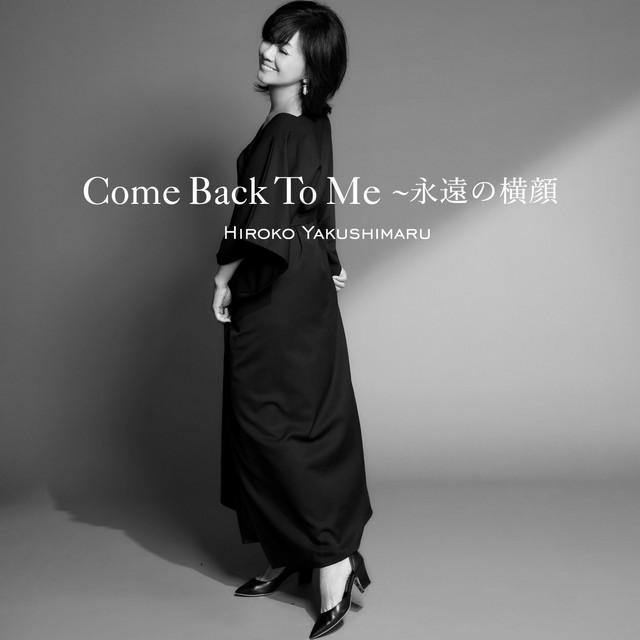
Come Back To Me ~永遠の横顔
1 track
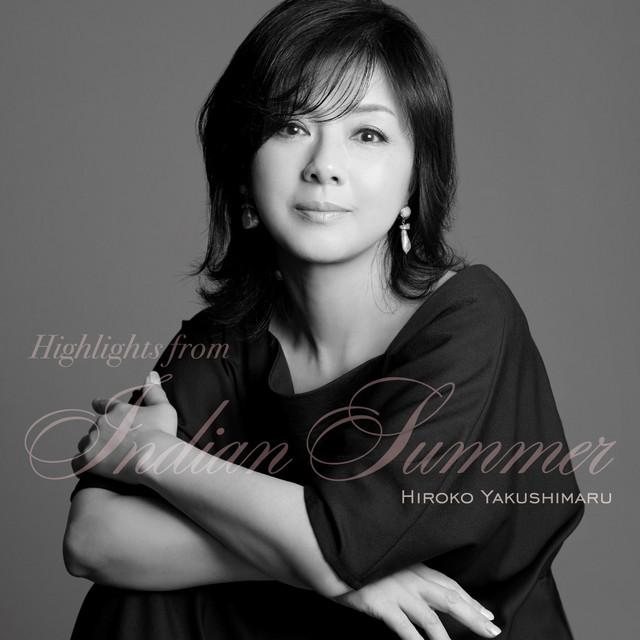
Highlights from Indian Summer
21 tracks