


About
Overview
Naoko Ken (研ナオコ, born Naoko Noguchi on July 7, 1953, in Izu, Shizuoka Prefecture) is a Japanese singer, television personality, actress and comedienne, represented by Tanabe Agency. Known for a distinctive, world-weary vocal style dubbed "Naoko-bushi," she scored a string of hits from the mid-1970s to the mid-1980s, among them "Abayo," "Kamome wa Kamome" and "Natsu wo Akiramete." Her stage name's "Ken" comes from her then-agency, Kenon.
Career
Early years and debut
Ken failed an audition on a Fuji TV children's talent show in 1965, but passed a Shizuoka Broadcasting singing contest the same year and finished runner-up in 1967. She moved to Tokyo in 1970 to pursue singing, working part-time jobs such as elevator girl at the Tokyo Takarazuka Theater. On April 1, 1971, she debuted as the first artist on Toho Records with the enka-oriented single "Daitokai no Yasagure On'na." In 1973 the painter Sentaro Iwata praised her as a once-in-a-century beauty, and in 1974 a self-deprecating Minolta camera TV commercial became popular.
The 1970s: hits and comedy
In 1975 she became a main regular on Nippon TV's Kakkurakin Daihoso!!, where her "Granny Naoko" sketches were a hit. That year she moved to Canyon Records and, with "Guzu" (written by Ryudo Uzaki and Yoko Aki), entered the Oricon top ten for the first time (peaking at No. 9) and won an FNS Music Festival award. In 1976, "Abayo," written by Miyuki Nakajima, gave her a first Oricon No. 1 and became her biggest seller at more than 600,000 copies, winning the Japan Music Awards broadcast prize, the FNS Music Festival top prize and the Japan Record Awards' Vocal Performance Award. She made her first Kōhaku Uta Gassen appearance that year with "LA-LA-LA." In 1977 her ad campaign for Kincho insecticide produced a buzzword, "Tonderera, Shinderera."
On September 30, 1977, her home was searched on suspicion of marijuana possession. She was not arrested; the case was referred to prosecutors and then suspended without indictment on November 15, but she had to observe a six-month hiatus.
Comeback and the 1980s
In 1978 she returned with the Nakajima-penned ballad "Kamome wa Kamome," which sold more than 300,000 copies and won a Japan Music Awards broadcast prize and the 20th Japan Record Awards Gold Prize, earning her a Kōhaku return. In the late 1970s the then-struggling THE ALFEE served as her backing band (for example on the 1978 single "Madogarasu"). Nakajima has given her 15 songs including album tracks, the most among singers for whom she wrote both lyrics and music (as of 2020).
She married for the first time in 1981. In 1982 her cover of Southern All Stars' "Natsu wo Akiramete" (written by Keisuke Kuwata) won the 24th Japan Record Awards Gold Prize, the Japan Cable Awards music prize and the All Japan Cable Broadcasting Awards outstanding star prize; it remains her last solo top-ten hit. In 1983 "Nakasete" earned a Masao Koga Memorial Music Award excellence prize. Her 1985 duet with idol Toshihiko Tahara, "Natsuzakari Ho no Ji Gumi" (credited to Toshi & Naoko), became her last top-40 single. She divorced that year and married Norio Noguchi, seven years her junior, on July 7, 1987; a son was born in October 1987 and a daughter in August 1989. She appeared on Kōhaku every year from 1976 to 1986 except 1977.
1990s onward
She underwent vocal cord polyp surgery in 1993 and made her 11th and most recent Kōhaku appearance that year with "Kamome wa Kamome." In 1994 she had her gallbladder removed. In 2001 she became the first woman to run the charity marathon on 24-Hour Television, completing 85 km. Her first autobiographical essay book, Kazoku Relay, appeared in 2002. On March 21, 2017, she fell during a stage performance in Kofu and was hospitalized with a right femoral neck fracture, but returned on April 28.
Recent releases
Releases include the single "Waltz" (1995), the albums Naoko Ken Meikyoku Zenshu (2004), Best Collection 32 (2008), Ame nochi Hare, Tokidoki Namida (2012) and Platinum Best (2015), and the singles "Ai" and "Watashi wa Naite Imasu" (January 18, 2019). In 2023 came All Time Best (August) and, on October 18, Kamome no Yo ni, Akireta Otoko-tachi, Standard ni Kanashikute, Nakiwarai, Naoko Mistone and Meigaza. The album Kyo kara Anata to… Starting today with you followed on November 20, 2024.
Television and film
Ken is beloved as a comedic personality, often paired with Ken Shimura, notably as Princess Naoko in Shimura Ken no Baka Tonosama and the "Strange Auntie" in Daijobuda. Her films include the 20th Century Boys series, PERFECT DAYS (2023) and the 2025 film Wash (co-lead). For it she personally put ten times her fee into the crowdfunding campaign to help the young director. TV credits include Aibou Season 10, Asagaya Shimai no Nohohon Futari Gurashi and Aozora Beer (2025), and she is slated for NHK's morning drama Kaze, Kaoru (2026) as both cast member and narrator. She also sang on NHK's Minna no Uta, such as "Kozo no Dance" (1975).
Musical style
Her genres span kayōkyoku, enka, city pop, J-pop and J-R&B. Debuting as an enka-oriented singer, she established herself with melancholic torch-song ballads delivered in a languid voice, interpreting songs by top writers such as Miyuki Nakajima, Ryudo Uzaki, Yoko Aki and Keisuke Kuwata, while running a parallel career in comedy and novelty songs.
Videos
Popular Videos
Latest Videos
Related artists





Discography
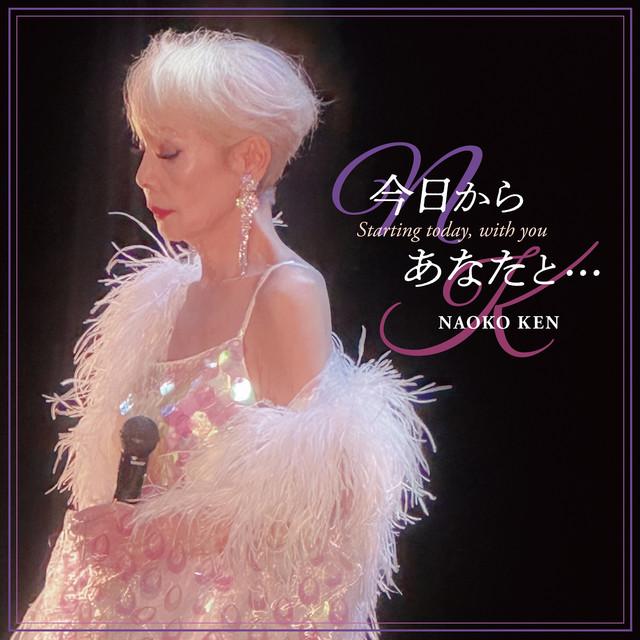
今日からあなたと… Starting today with you
7 tracks
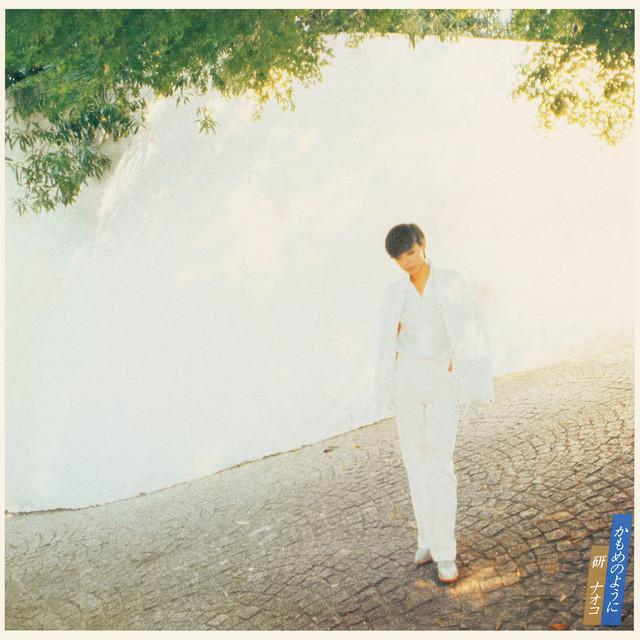
かもめのように
12 tracks
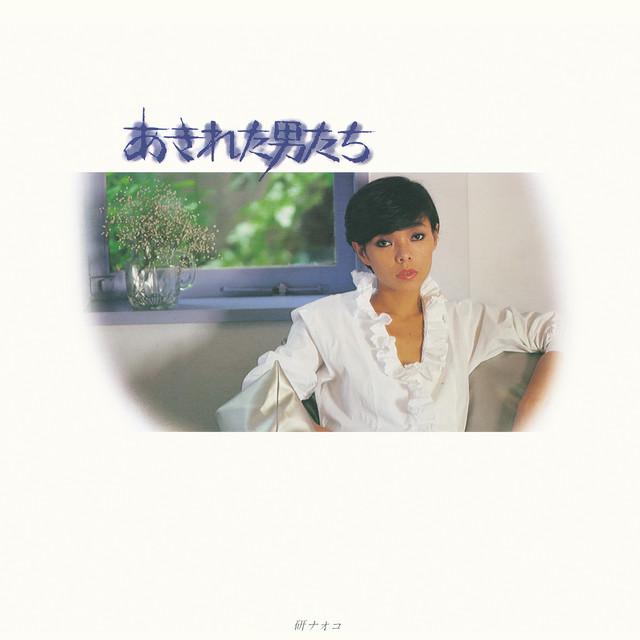
あきれた男たち
11 tracks
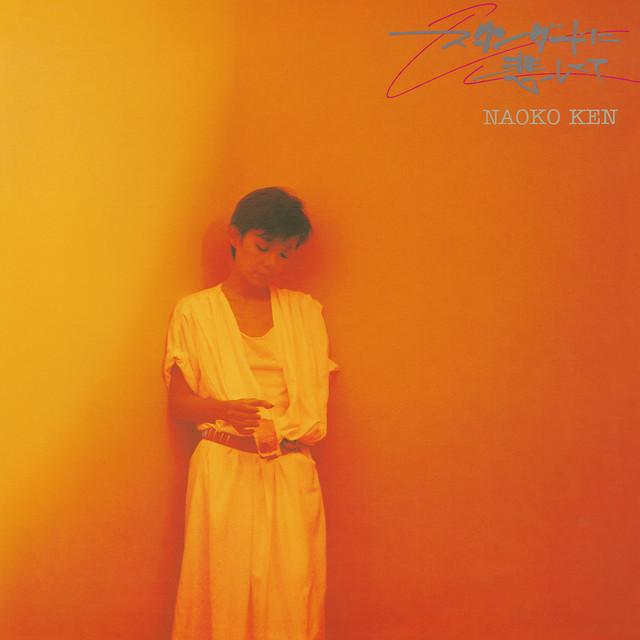
スタンダードに悲しくて
10 tracks
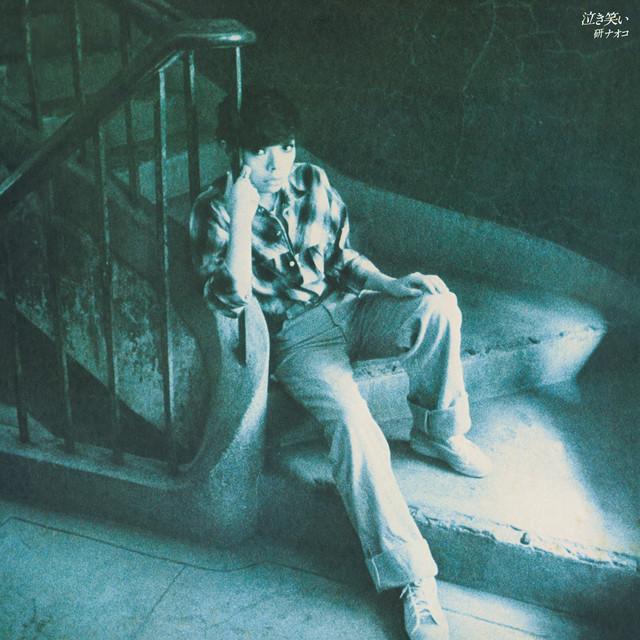
泣き笑い
12 tracks
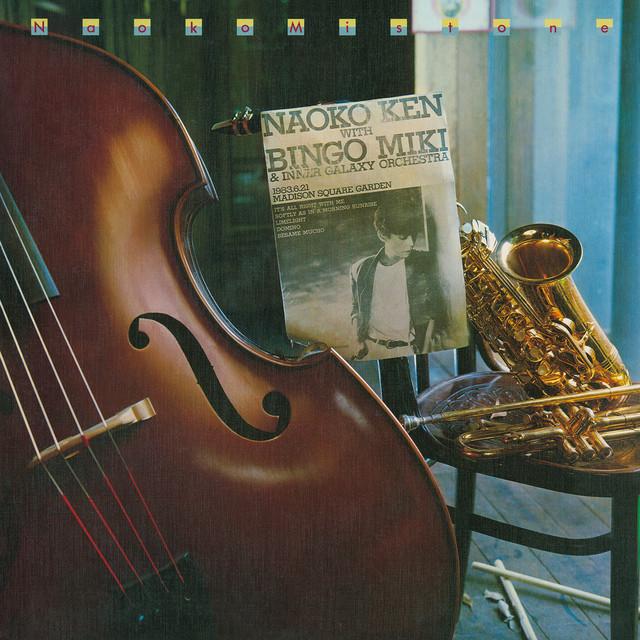
Naoko Mistone
10 tracks
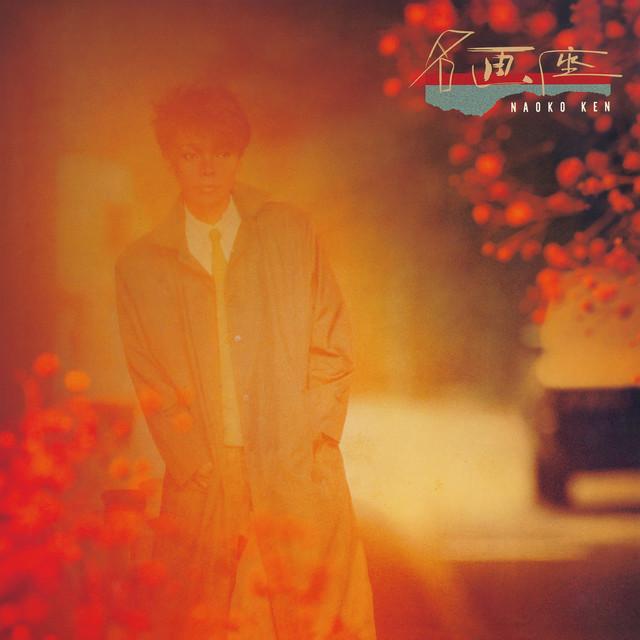
名画座
10 tracks
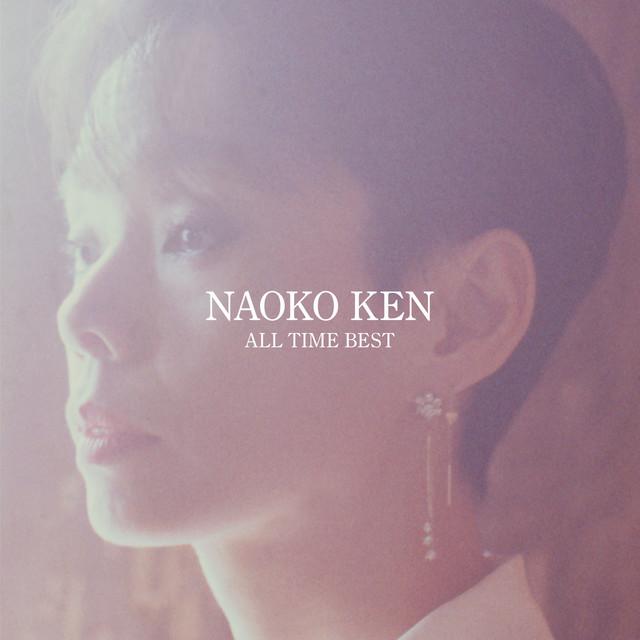
オールタイム・ベスト
34 tracks

愛
1 track
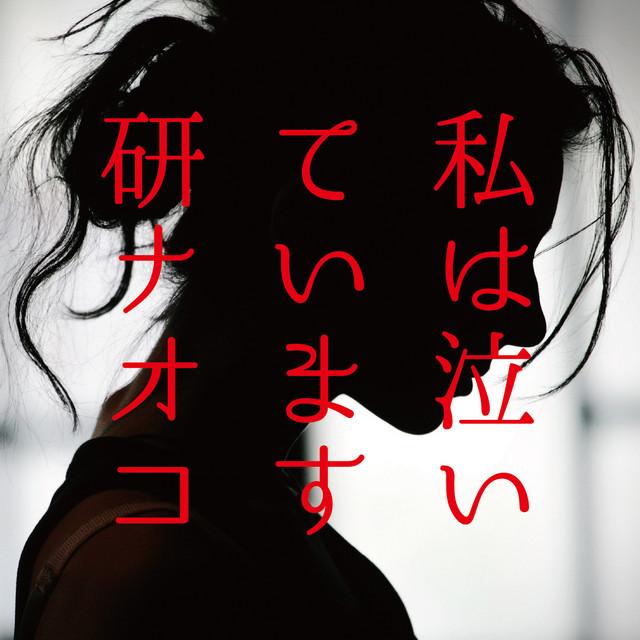
私は泣いています
1 track