

About
Overview
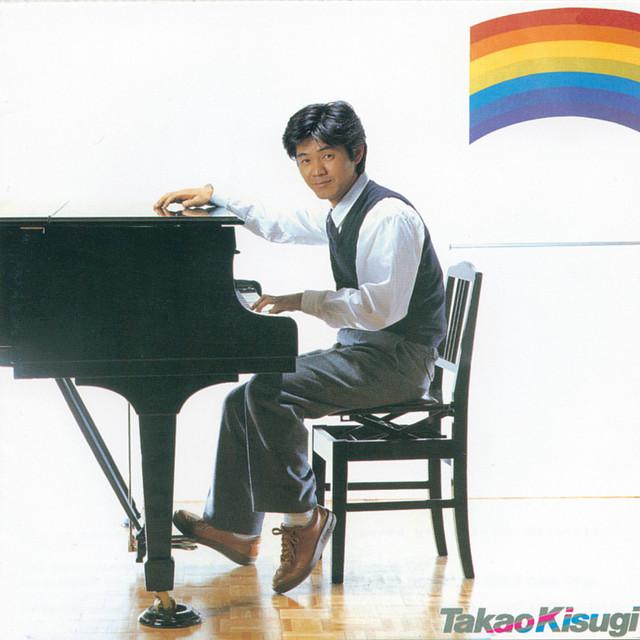
Takao Kisugi (来生たかお, Kisugi Takao), born November 16, 1950, is a Japanese singer-songwriter and composer. His real name is 来生孝夫, read the same way. Known for his world-weary voice and urban, nostalgic songwriting, he is a New Music artist whose almost vibrato-free delivery is sometimes called "Kisugi-bushi." Working chiefly in tandem with his sister, lyricist Etsuko Kisugi, he has also written standards such as "Second Love" and "Slow Motion" (both sung by Akina Nakamori) and "Silhouette Romance" (sung by Junko Ohashi).
Career
Kisugi began studying piano at 20. He had first written songs on guitar under the influence of The Ventures, but wanted to notate his music and widen his range. Hearing the intro to The Beatles' "Let It Be" and thinking he could play it was one trigger. When he debuted on Kitty Records as the third new face after Yosui Inoue and Kei Ogura, a man singing at the piano was a rarity.
In the 1980s he produced many kayōkyoku hits, including "Goodbye Day." His best-known song as a performer is "Yume no Tochu"; after it, the furigana "きすぎ" disappeared from his name on record sleeves. He also recorded the first ending theme of the anime Maison Ikkoku, "Ashita Hareru ka." In 1991 he wrote and recorded "What a Way (To Show I Love You)" with Gilbert O'Sullivan, and another collaboration, "Can't Think Straight," appeared on the Japanese edition of O'Sullivan's album Sound of the Loop.
His albums include I Will... (1986), Etranger (1987), With Time (1988), SOMETHING ELSE (1989), 永遠の瞬間 (1991), Passage (1993), Another Story (1994) and Purity (1997), plus the singles "Dokomademo Koigokoro" (January 1998) and "Hoozue no Koufuku" (April 1998). Later releases include 余韻 (2008), ひたすらに (2011) and 夢のあとさき vol.1 and vol.2 (2016). On his 2000 single "Chijo no Speed," Yosui Inoue wrote the lyrics while Kisugi composed and sang. Since 2001 he has also staged piano-only solo performances. His backing band was formed as "Win 9" and later renamed "Startle," and he arranges some of his own songs under the pen name "Yagura Gin."
Musical style
His songs are often in minor keys, with understated yet lyrical melodies. He describes nostalgia as the foundation of his music, and his style has stayed consistent from his debut album onward. Most songs are written music first, lyrics afterward; early on he would play a phrase on guitar and his sister would write lyrics to fit. He has said he was deeply influenced by The Beatles and Gilbert O'Sullivan, with Francis Lai, Henry Mancini and Burt Bacharach among other influences.
Related artists





Discography
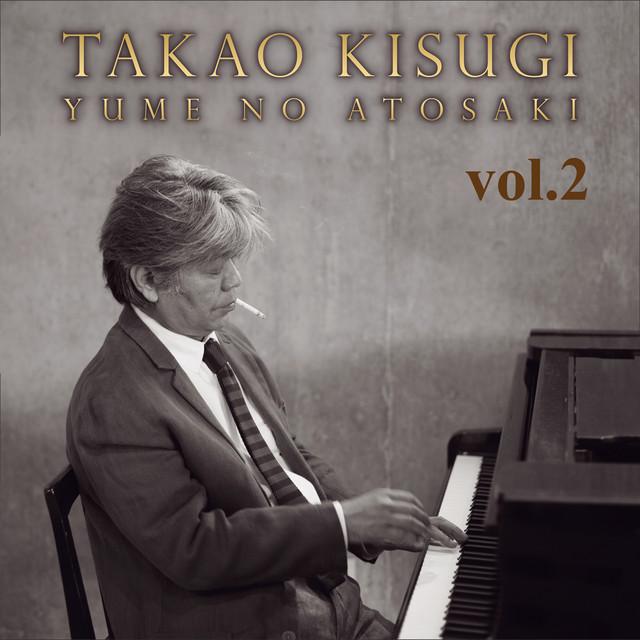
夢のあとさき vol.2
13 tracks
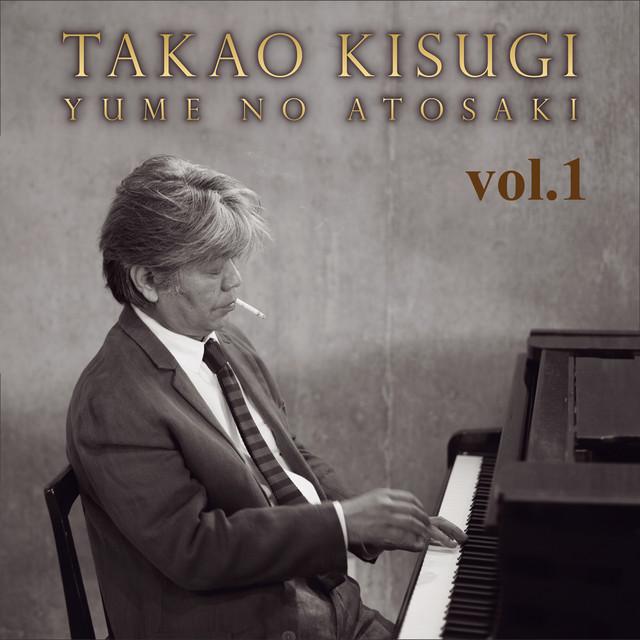
夢のあとさき vol.1
14 tracks
The Best 3
3 tracks
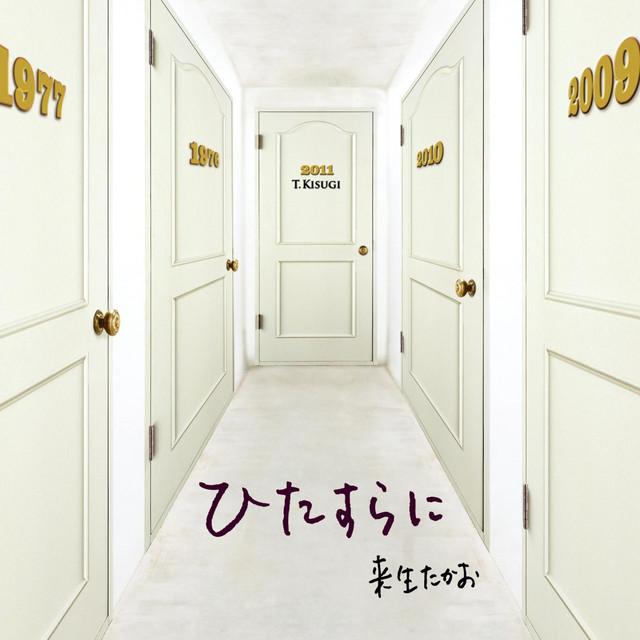
ひたすらに
13 tracks
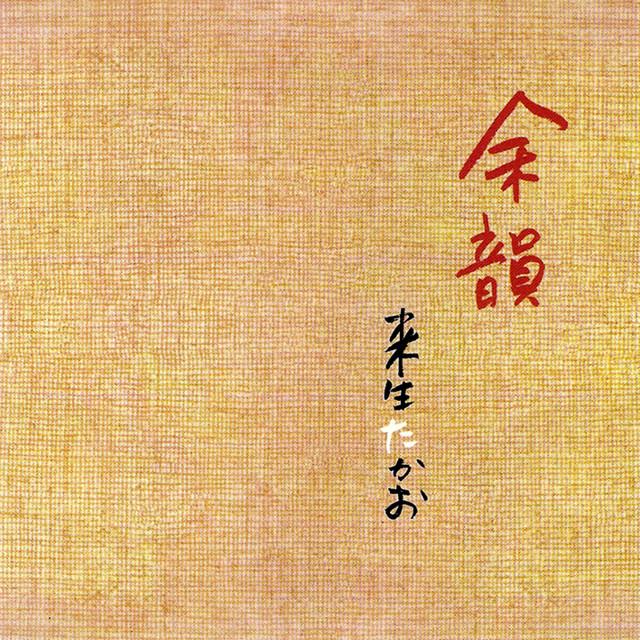
余韻
11 tracks
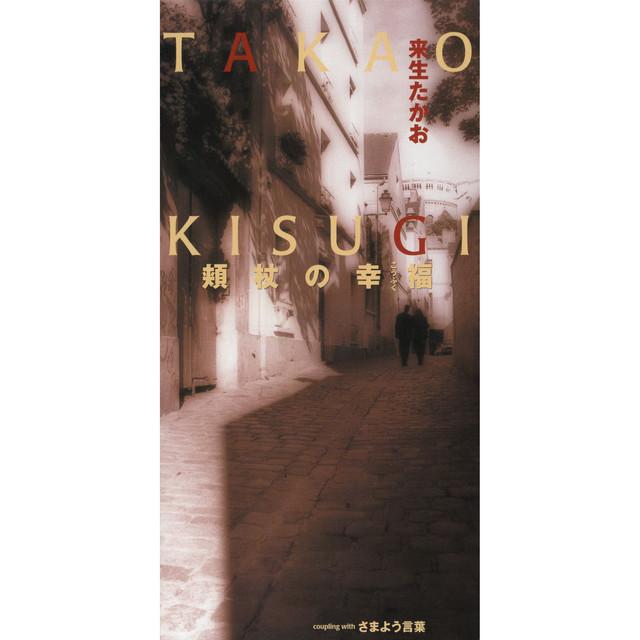
頬杖の幸福
3 tracks
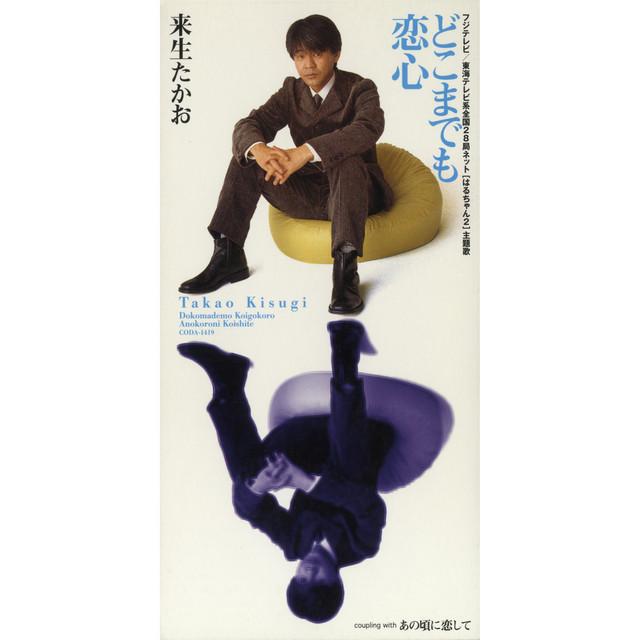
どこまでも恋心
3 tracks
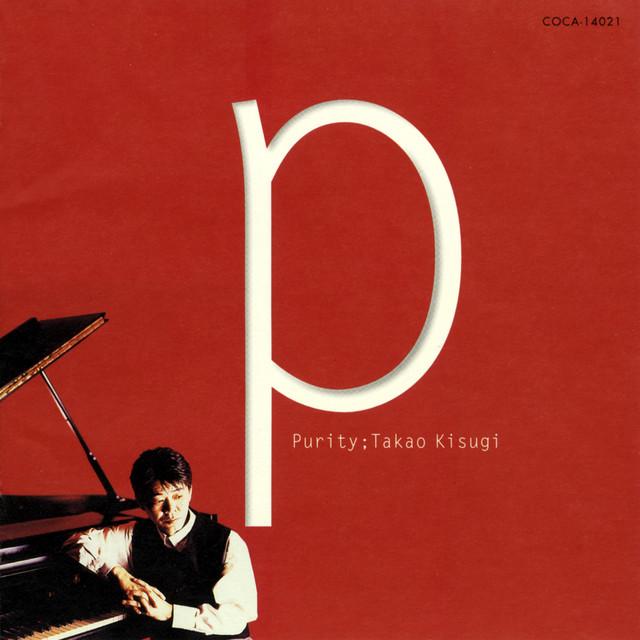
Purity
10 tracks
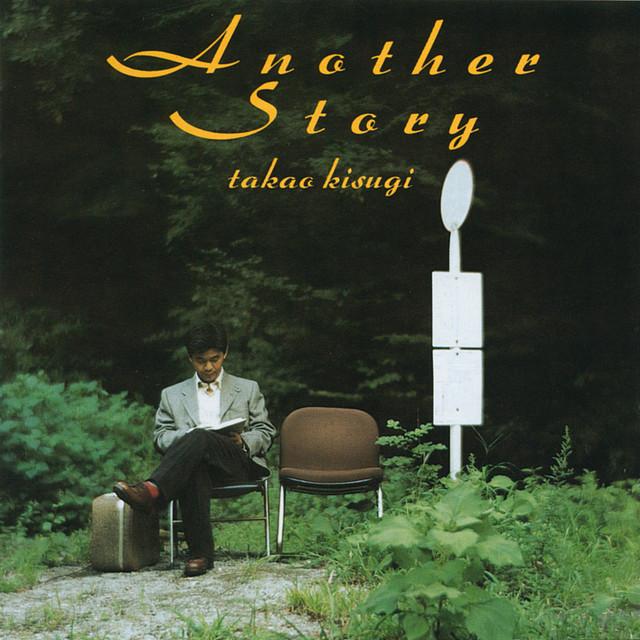
Another Story
10 tracks
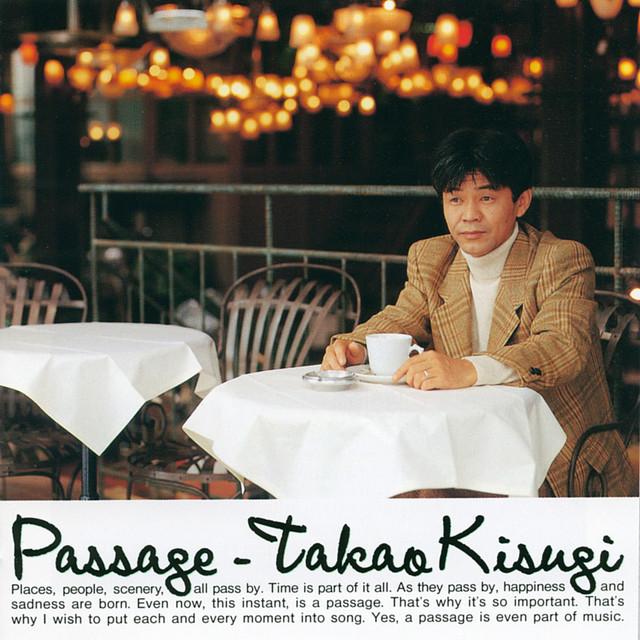
Passage
10 tracks