


About
Overview
Saburō Kitajima (北島三郎, born October 4, 1936) is a Japanese enka singer, actor, lyricist, composer and racehorse owner. Born Minoru Ōno in Shiriuchi, Hokkaidō, he is affectionately known as "Sabu-chan" and is one of the leading figures of Japanese enka, with hit songs ranging from the "Woman" series that began with "Hakodate no Onna" to the "chivalry" (ninkyō) series including "Kyōdai Jingi." Under the pen name Jōji Hara he also writes songs, scripts and stage productions, and he leads the "Kitajima Family" of enka singers. He appeared on NHK's Kōhaku Uta Gassen a record 50 times and received the Order of the Rising Sun, Gold Rays with Rosette, in 2016.
Career
Early life and training
Born the eldest of seven siblings into a poor family during the effects of World War II, he worked while studying. While at Hakodate Nishi High School he entered the NHK amateur singing contest, which set him on the path to becoming a singer. He left school and moved to Tokyo in 1954, working as a nagashi (wandering singer) in Shibuya. In 1959 he married Masako, the daughter of his landlord. In 1960 a Nippon Columbia executive discovered him and introduced him to composer Tōru Funamura, whose pupil he became. The sheet music Funamura handed him in 1961 became his first hit, "Namida Bune."
Debut and rise to fame
His debut single "Bungacha-Bushi" was released by Nippon Columbia on June 5, 1962, but was banned from broadcast within a week. His rush-released second single, "Namida Bune" (August 20, 1962), became a million-seller and won him the Japan Record Award's newcomer prize. He moved to the newly founded Nippon Crown in 1963 and made his first Kōhaku appearance that year. In 1965 three of his releases, "Kyōdai Jingi," "Kaerokana" (written by lyricist Rokusuke Ei and composer Hachidai Nakamura) and "Hakodate no Onna," became hits, establishing him as an enka star; he also starred in the film Kyōdai Jingi, which spawned a series. In 1972 he left Shin'ei Productions and founded Kitajima Music Office. "Yosaku" (1978) widened his audience, and from the 1980s he increasingly wrote, composed and directed under the name Jōji Hara. His songs also include "Kita no Ryōba" (1986). In August 1985 he held the world's first full-scale in-flight concert aboard an airplane. In 1986 he withdrew from Kōhaku after it emerged that he had attended an organized-crime group's New Year party, the only year he was absent in his 50-year run.
Enka elder statesman
In 1989 he released "Heisei Ondo" to mark the new era, selling about 160,000 copies. In 1997 he issued "Deai," the first enka CD Extra, and in 1998 he sang "Utabito," the theme for the NHK anime Ojarumaru. He became a Hachiōji tourism ambassador in 2003. In 2006, at a party celebrating his 70th birthday and 45 years in the business, he announced that his first disciple Jōji Yamamoto would go independent and that his son Ryū would succeed his wife as head of his office; his single "Ano Hi Jidai" that month set a record as the oldest artist to top the Oricon enka/kayōkyoku chart. "Fūfu Isshō" ("Couple in a Lifetime"), released in January 2010 at age 73 for his 50th wedding anniversary, debuted at No. 10 on the Oricon weekly chart and sold 100,000 copies, making him the first solo artist in his 70s to reach the Top 10. It was certified Gold in October, the oldest recipient in Japan. He received the 61st NHK Broadcasting Culture Award in 2010 and the 32nd Matsuo Performing Arts Grand Prize in 2011, and his 50th-anniversary special performances played four major theaters (Tokyo, Fukuoka, Nagoya and Osaka), where at 75 he played both Shimizu no Jirochō and Mori no Ishimatsu. At the 64th Kōhaku in 2013 he achieved a record 50th appearance, performed "Matsuri" as the anchor for a record 13th time, and announced his retirement from the show. In September 2014 his "Final Performance" at the Meijiza marked his 4,500th career show, a record for a singer-led run there; he stepped down from headlining theater productions after a January 2015 Hakataza run, with 4,578 total performances. He won the 69th Hokkaido Shimbun Culture Award in 2015 and the Order of the Rising Sun in 2016. In September 2016 he postponed concerts for cervical spine surgery. He returned to Kōhaku for a special performance in 2018 and released "Reiwa Ondo" in 2019.
Recent activity
On January 1, 2022, he made nearly his entire catalog available on streaming services and released the albums Kitajima Saburō Gēdō 60-shūnen I and II. In 2022 he held "Final Concert" runs at the Hakataza, Shin-Kabukiza, Misonoza and Meijiza. He released the best-of albums Zenkyokushū Fūsetsu Nagaretabi・Matsuri (2022) and Matsuri・Namida no Hanabutai (2023), and in October 2024 the album Beiju-kinen "Tamashii no Uta" to celebrate his 88th birthday. Singles in this period include "Mae ni…/Sakaba no Blues" (2019), "Haha wa Orera no Mamorigami/Yume Kaidō" and "Jinsei wa/Yoake no Uta" (2020), "Ikasarete/Mukaikaze," "Omoi/Tategami" and "Eikoseisui/Kisetsu wa Nagarete" (2021), "Mukashi mo Ima mo, Kono Saki mo/Chikuba no Tomo" (2022), "Tsumujikaze/Yumeminato" (2023), "Tōkyō no Sora/Oyaji no Kotoba" (2024) and "Waga Michi o Yuku/Furusato yo" (November 26, 2025). He also launched his official YouTube channel on November 26, 2025.
Musical style
Kitajima is a mainstay of enka and kayōkyoku, singing largely in the spirit of Japan's working class and rural laborers, and his down-to-earth, laborer-like image is part of his broad popularity. Although oriented toward kayōkyoku, his years as a nagashi mean he can also sing jazz standards and country. His catchphrase is "America has jazz, France has chanson, Japan has enka." Beyond his own recordings he writes songs for other enka singers, including his Kitajima Family, as Jōji Hara, and handles stage scripts and direction. He has also performed extensively overseas.
Other activities
Kitajima has acted in yakuza films and period dramas, and played Tatsugorō in the TV series Abarenbō Shōgun, also singing its theme songs over the series' quarter-century run. As a racehorse owner, he has used the "Kita-san" prefix since 1963; his most famous horse, Kitasan Black, gave him his first Grade 1 win in the 2015 Kikuka Sho, and he debuted the song "Arigatō Kitasan Black" at the horse's 2017 retirement ceremony. Revered as "Oyaji" by the Kitajima Family, whose members include Jōji Yamamoto, Shōji Koganezawa, Takeshi Kitayama and Yutaka Ōe, he also serves as honorary adviser of the Funamura Tōru alumni association.
Related artists


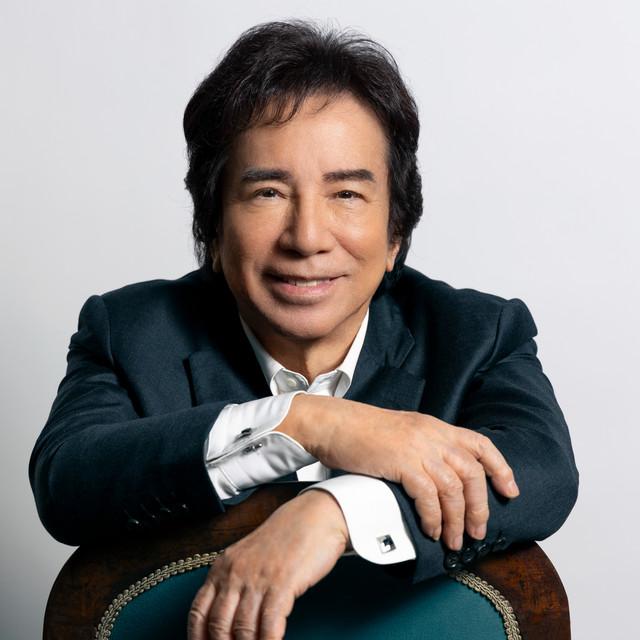


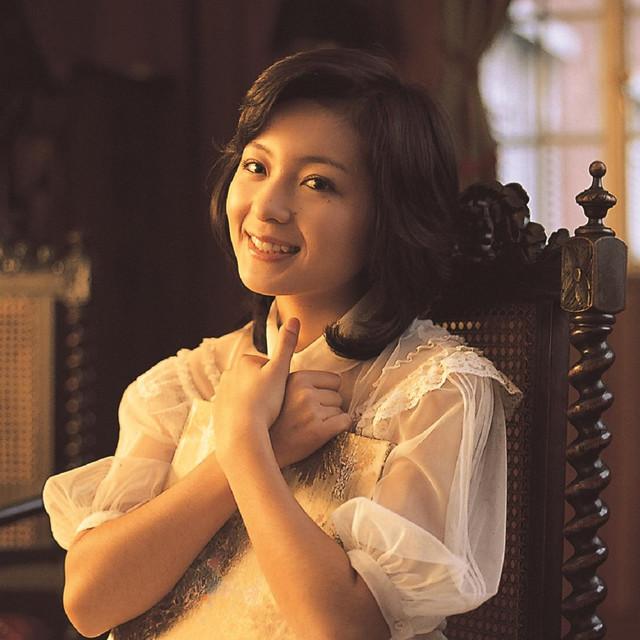
Discography
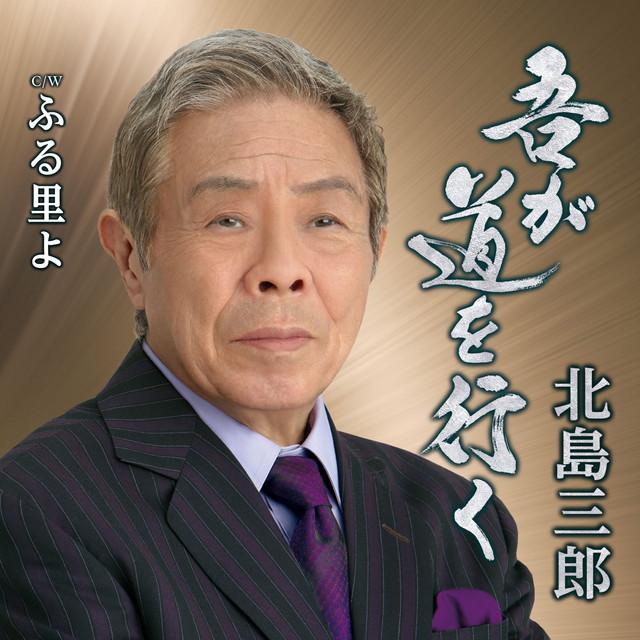
吾が道を行く/ふる里よ
4 tracks
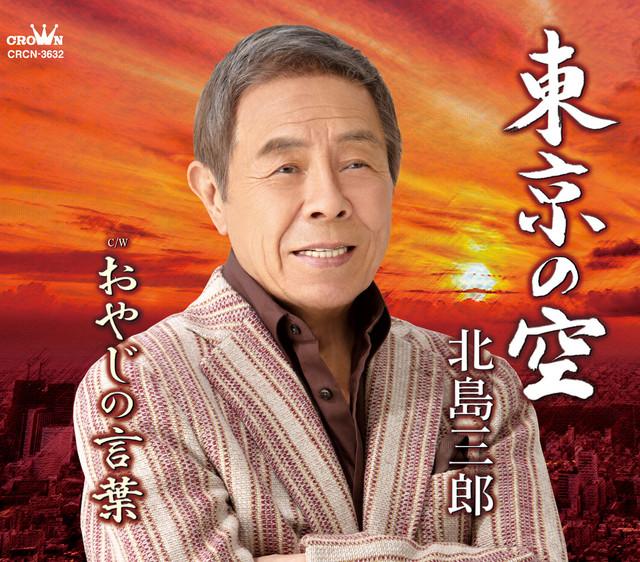
東京の空/おやじの言葉
4 tracks
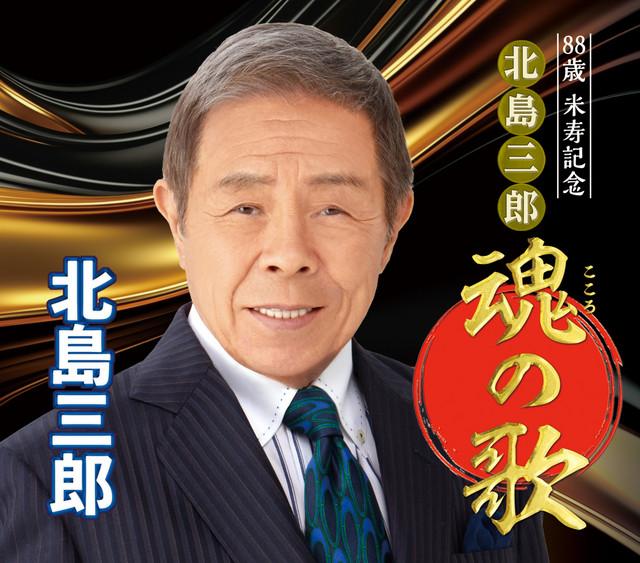
88歳米寿記念 北島三郎 魂の歌
88 tracks
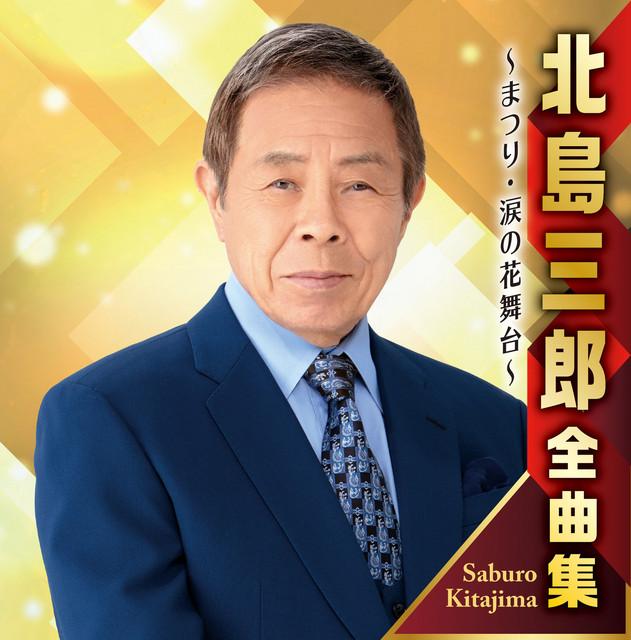
北島三郎全曲集 ~まつり・涙の花舞台~
30 tracks
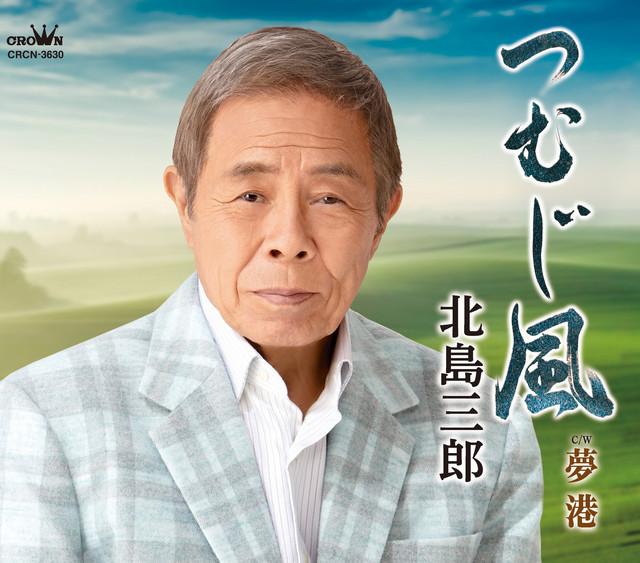
つむじ風/夢港
4 tracks
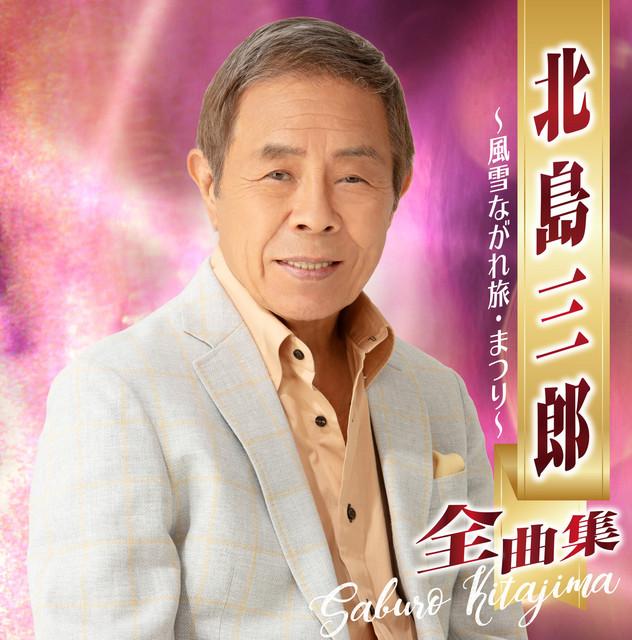
北島三郎全曲集 ~風雪ながれ旅・まつり~
30 tracks
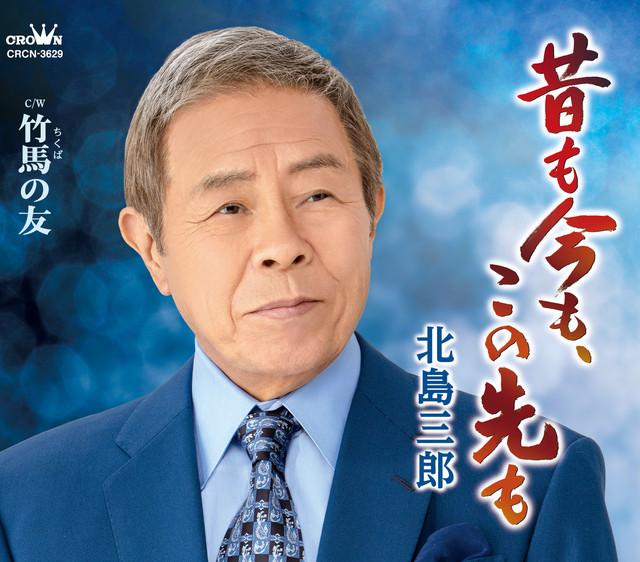
昔も今も、この先も/竹馬の友
5 tracks
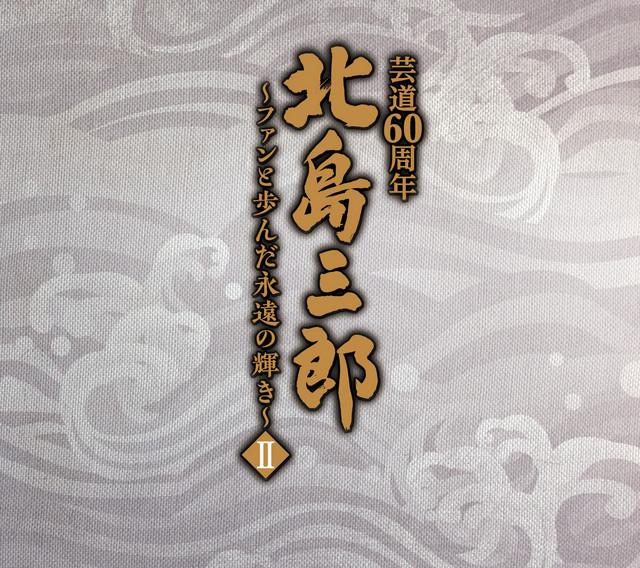
北島三郎芸道60周年 ~ファンと歩んだ永遠の輝き~ Ⅱ
60 tracks
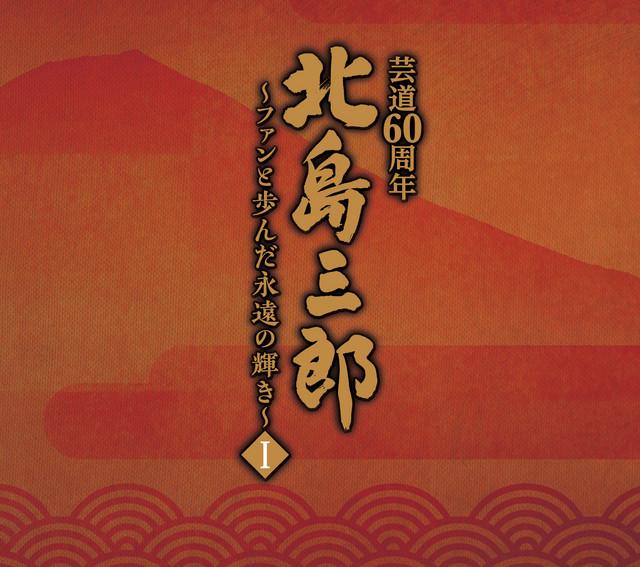
北島三郎芸道60周年 ~ファンと歩んだ永遠の輝き~ Ⅰ
59 tracks
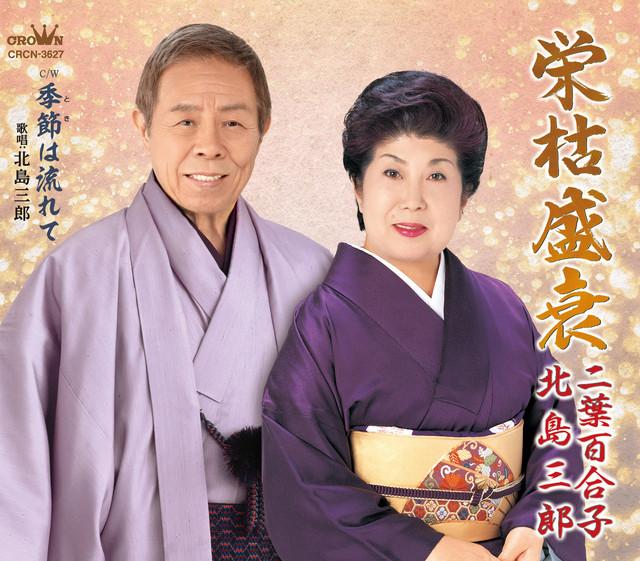
栄枯盛衰/季節は流れて
4 tracks