

About
Overview
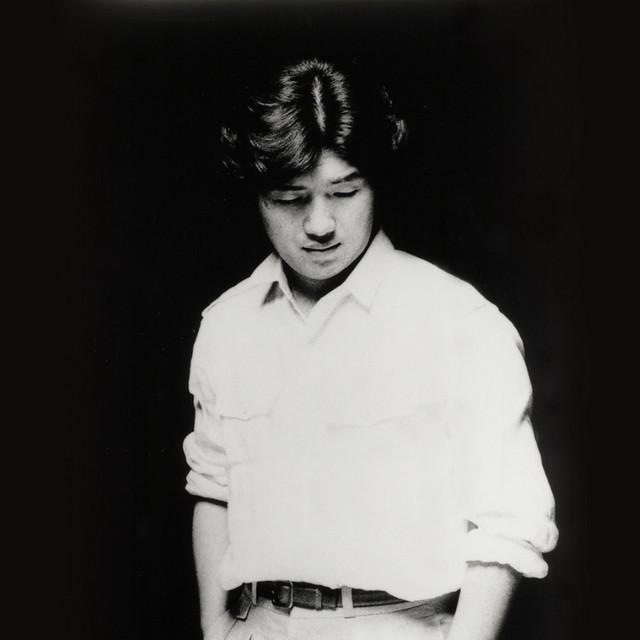
Eiichi Ohtaki (大瀧詠一, born Eiichi Ōtaki; July 28, 1948 – December 30, 2013) was a Japanese musician, singer-songwriter, arranger, record producer, label owner, radio DJ and recording engineer, nicknamed the "hermit of Fussa." He first became known as a member of the rock band Happy End, but was better known for the solo career he began in 1972. In 2003 HMV Japan ranked him number 9 among the 100 most important Japanese pop acts. Patrick Macias called his work "an encyclopedia of everything that was great about pop music in the 20th century." His 1981 album A Long Vacation is a landmark of city pop.
Career
Early life
Ohtaki was born in Esashi District, in what is now part of Ōshū, Iwate Prefecture. Hearing Connie Francis as a fifth-grader sparked a devotion to American pop; he built his own radio, listened to FEN and collected records. After discovering the Beatles in high school he formed his first band, the Splenders, as drummer. He moved to Tokyo in 1967, formed the group Taboo with Fumio Nunoya, and in 1968 entered Waseda University, where he struck up a friendship with Haruomi Hosono.
Happy End and the 1970s
In 1970 he debuted as Happy End with the album Happy End. The band went on to release Kazemachi Roman (1971) and Happy End (1973), and officially disbanded on New Year's Eve 1972. Ohtaki released his self-titled solo album in November 1972. Afterward he wrote commercial jingles and produced younger artists, and he played a part in Tatsuro Yamashita's professional debut. He also produced Sugar Babe and members Taeko Onuki and Yamashita.
In September 1974 he founded his private label Niagara Records, whose first release was Sugar Babe's Songs in 1975. His album Niagara Moon followed a month later, and he began the radio show Go! Go! Niagara. In 1976 he moved to Nippon Columbia under a contract to make twelve albums in three years. That year he released Niagara Triangle Vol. 1 with Tatsuro Yamashita and Ginji Ito, cited by MTV as one of six Japanese supergroups that changed the history of Japanese music, as well as his third album Go! Go! Niagara. Niagara Calendar followed in 1977 and Let's Ondo Again in 1978, credited to Niagara Fallin' Stars, after which he ended his Columbia contract.
The 1980s
In 1980 he moved to CBS/Sony and, with lyricist Takashi Matsumoto, set about creating the culmination of the Niagara sound. His song "Saraba Siberia Tetsudo," given to Hiromi Ohta, became his first hit single as a composer. In March 1981 he released A Long Vacation. Sales grew gradually until it reached number 2 on the charts that summer, and it won Best Album at the 23rd Japan Record Awards. It was one of the first albums issued on CD, was certified double platinum by the RIAJ, and was named the 7th greatest Japanese rock album by Rolling Stone Japan in 2007. He also wrote for Seiko Matsuda ("Kaze Tachinu") and Shinichi Mori ("Fuyu no Riviera"), among others.
He released Niagara Triangle Vol. 2 in 1982 with Motoharu Sano and Masamichi Sugi. After Each Time (1984) he decided to halt his recording activities; the June 1985 Happy End reunion concert was his last live appearance, and the November 1985 single "Fjord Girl" was his last release until 1997. He kept working as a producer and composer, including Akira Kobayashi's "Atsuki Kokoro ni" and the Crazy Cats' 30th anniversary project.
1990s onward
In 1994 he joined Sony's Oo Records as a director and producer. In 1997 he released "Shiawase na Ketsumatsu," his first new single in 12 years, the theme for the drama Love Generation, which sold over a million copies. "Koisuru Futari" followed in 2003 as the theme for Tokyo Love Cinema. In the 2000s he remastered catalog titles, supervised reissues and revived his radio programs.
Death and legacy
Ohtaki collapsed at his home in Mizuho, Tokyo, on December 30, 2013, after eating an apple, and died shortly afterward at age 65. His official cause of death was a dissecting aneurysm. In 2014 he was posthumously honored with a Lifetime Achievement Award at the 56th Japan Record Awards. In March 2016 the posthumous album Debut Again was released, and Happy Ending followed on March 21, 2020 for the 50th anniversary of his debut. Later releases include the EACH TIME 40th Anniversary Edition (2024) and B-EACH TIME L-ONG 40th Anniversary Edition (2025).
Musical style
Ohtaki studied American pop and Liverpool sound deeply, drawing on Elvis Presley, the Beach Boys and the Beatles, and Macias likened him to Phil Spector, Brian Wilson, George Martin and Joe Meek combined. He often handled songwriting, arranging, producing and engineering himself, and his work spans city pop, kayōkyoku and J-pop.
Related artists



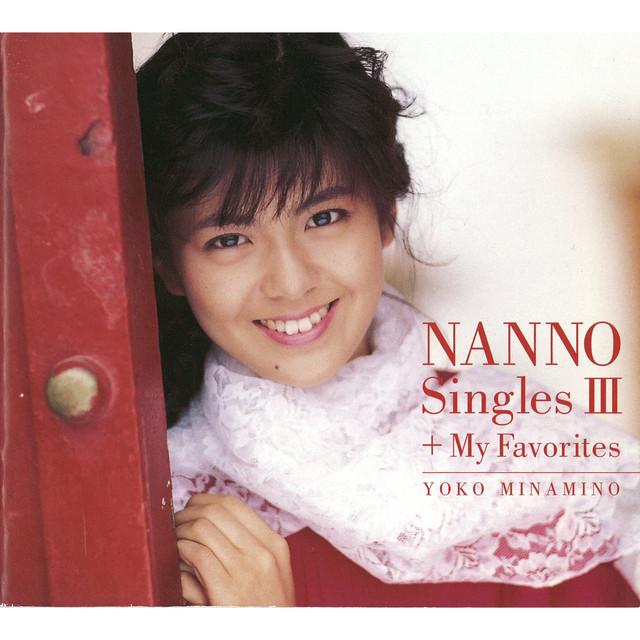

Discography
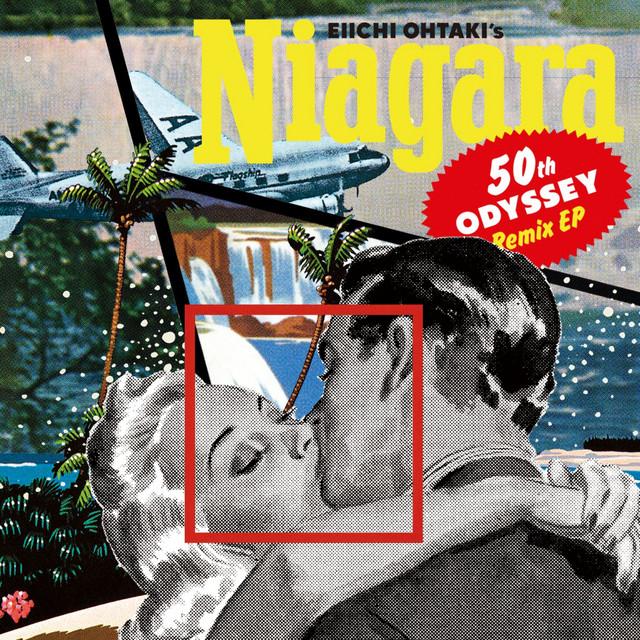
Eiichi Ohtaki’s NIAGARA 50th Odyssey Remix EP
6 tracks
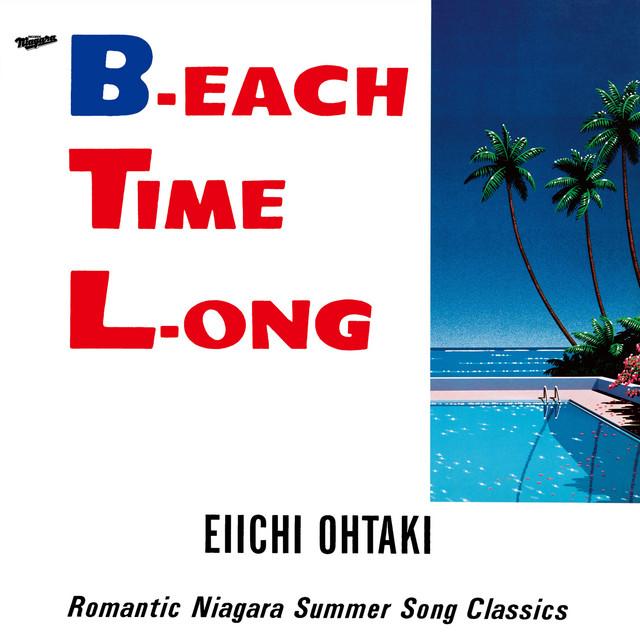
B-EACH TIME L-ONG 40th Anniversary Edition
25 tracks
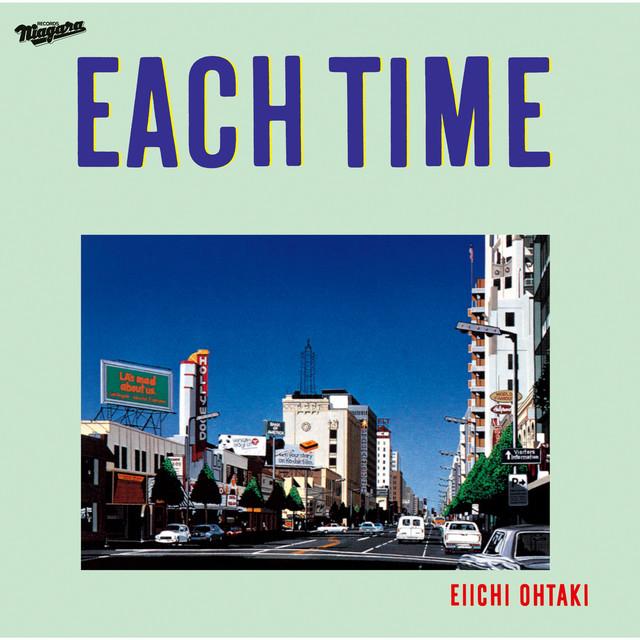
EACH TIME
12 tracks
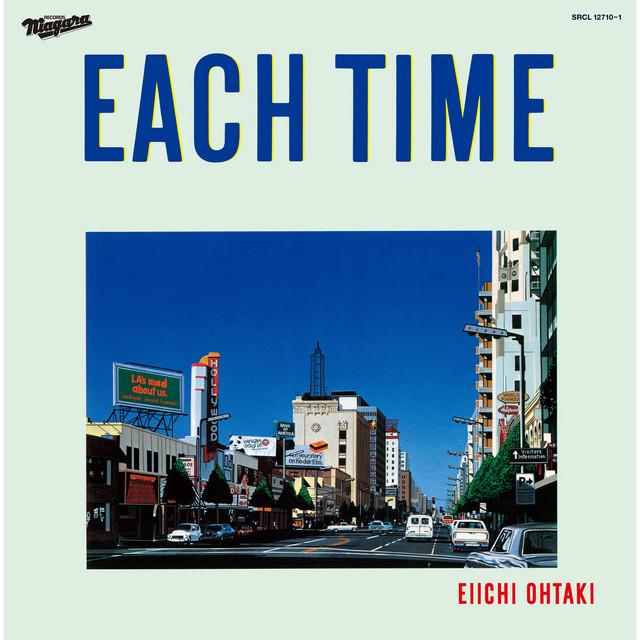
EACH TIME 40th Anniversary Edition
13 tracks
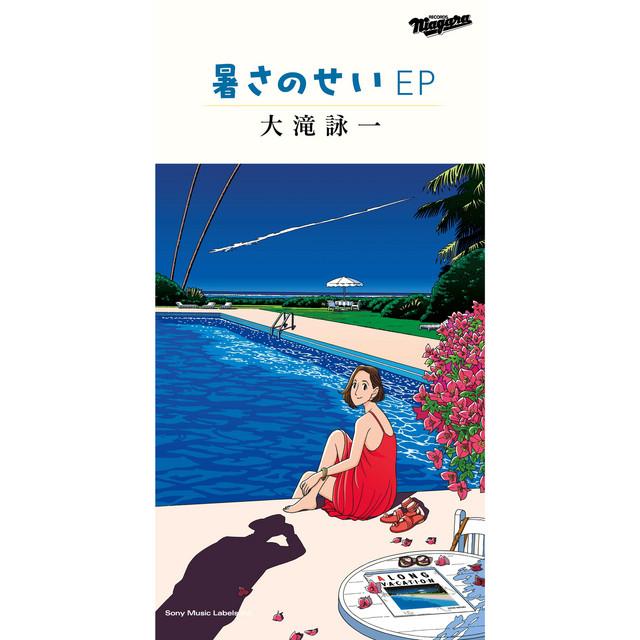
暑さのせい EP
9 tracks
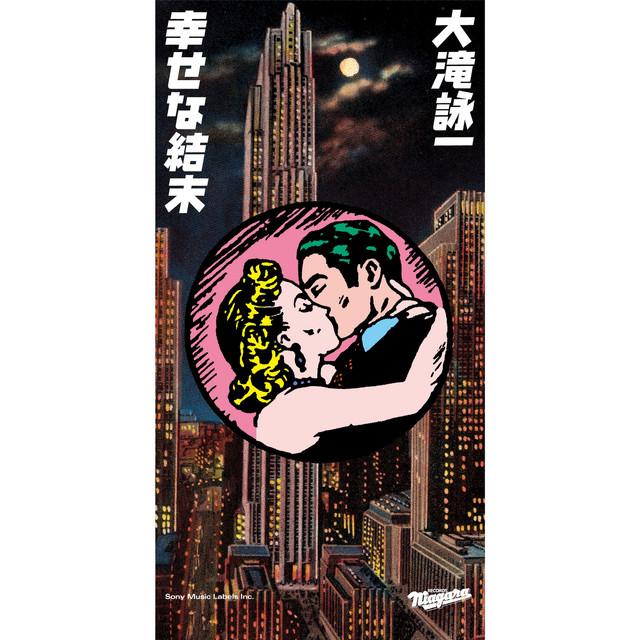
幸せな結末 (2023 Remaster)
4 tracks

大滝詠一 NOVELTY SONG BOOK
11 tracks
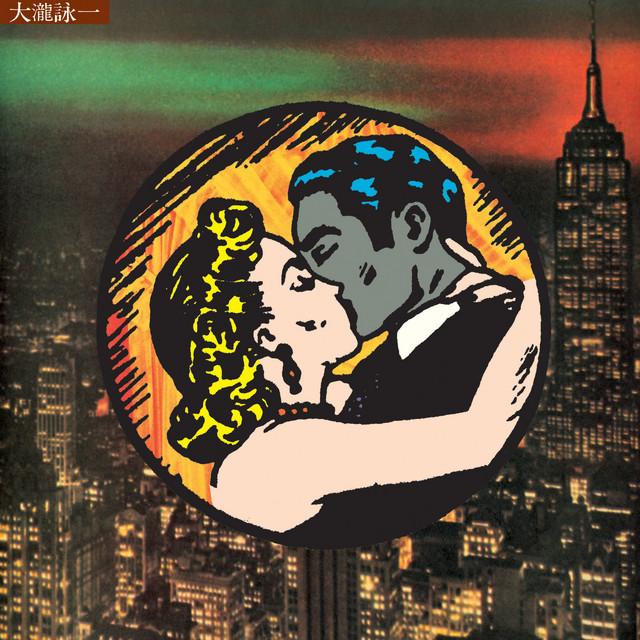
大瀧詠一 乗合馬車(Omnibus) 50th Anniversary Edition
27 tracks
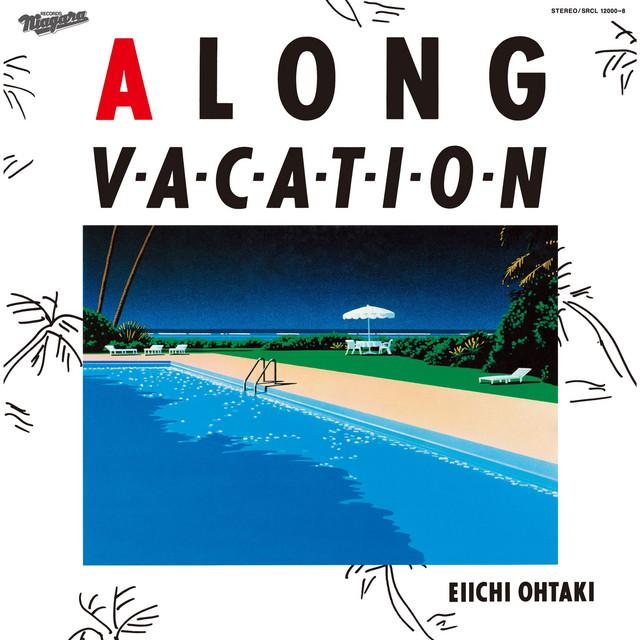
A LONG VACATION SESSIONS
20 tracks
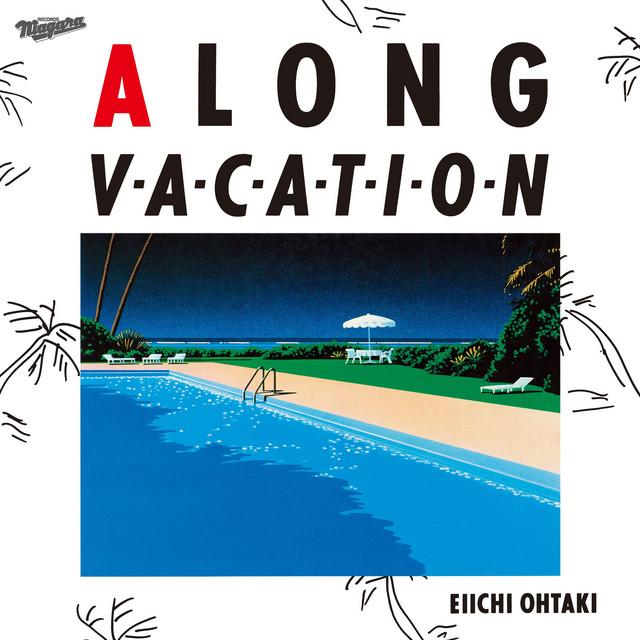
A LONG VACATION
10 tracks