

About
Overview
Kahoru Kohiruimaki (小比類巻かほる, nicknamed Kohhy) is a Japanese singer and musician born on March 16, 1967, in Misawa, Aomori Prefecture. She also releases, produces and writes songs for others under the name Kohhy, and is one of the few Japanese artists praised in English by Prince, Maurice White and Jerry Hey. From the late 1980s to the late 1990s she drew attention for songs blending R&B and gospel flavors with a soulful voice, and at Epic she was a top seller alongside Motoharu Sano, Masayuki Suzuki, Senri Oe, Misato Watanabe, TM NETWORK, Yoshiyuki Osawa and Yasuyuki Okamura. Signature songs include "Hold On Me" (theme of the Nippon TV drama Kekkon Monogatari), "TONIGHT" (theme of Shinkon Monogatari), "City Hunter – Ai yo kienaide" (opening of the anime City Hunter), and the TDK commercial songs "TOGETHER" and "DREAMER". She is best known in the West for the City Hunter opening in 1987 and the ending theme of the OVA Gall Force in 1986.
Career
She listened to classical, jazz and Masashi Sada as a child and says she first composed at age three. She began writing lyrics in elementary school and sang in semi-professional bands as a teenager. Inspired by NHK's broadcast of Quincy Jones Live in Tokyo in 1981, she wanted to work behind the scenes, but was scouted by EPIC/Sony; her first recording took place at Ray Parker Jr.'s studio abroad.
She debuted on October 21, 1985, at age 18 with the single "Never Say Good-Bye", followed in November by her first album, Call My Name. Early results were slow through the second album No Problem (July 1986); she joined planning meetings and pioneered an advertising campaign saturating Shibuya, including a mural at Shibuya Parco. In 1986 "Ryotte Ippai no Johnny" became the Gall Force ending theme, and "Nagaku Atsui Yoru" followed in December.
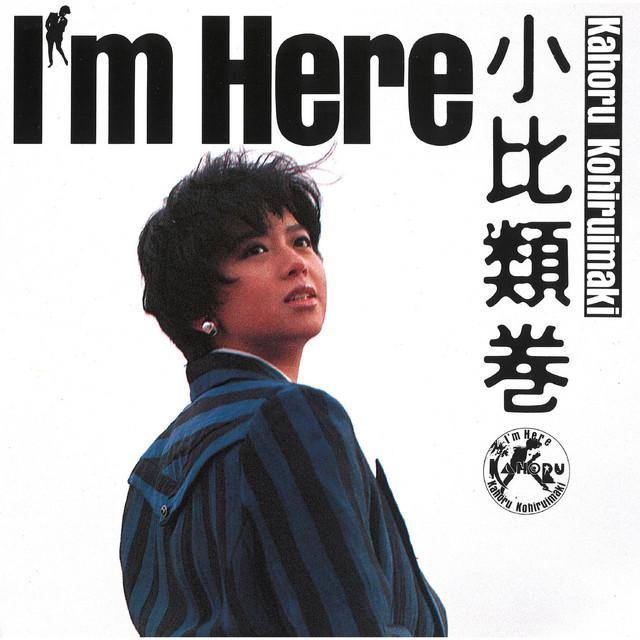
In 1987 the third album I'm Here, produced by Masami Tsuchiya, reached No. 1 on the Oricon chart, and Hearts On Parade (January 1988) reached No. 2. She made her first NHK Kohaku Uta Gassen appearance that year. In 1988 she held a two-day concert at Nippon Budokan and became the main character of a TDK audio tape commercial, which led to her label move to TDK Core in 1989, the year of her second Kohaku appearance. Her album Time The Motion (1989) was recorded at Prince's Paisley Park studio in Minnesota; "Mind Bells" and "Bliss" were written and produced by Prince and Levi Seacer Jr., arranged through manager Seijiro Udo, who had promoted Prince's Japanese Lovesexy Tour concerts. On FRONTIER (1992), Maurice White produced "Tangerine Moonnight" and "Frontier".
From 1998 to 2000 she worked independently as Ruey, releasing two albums. In 1999 she wrote the school song of Aomori University of Health and Welfare, and in February 2003 she appeared at LIVE EPIC 25. She released the album Tree Diagram (樹形図) in July 2011 and later KOHHY 3, 4 and 5, plus the single "Ano Hi no mama de" in July 2014; as of 2014 she had released 26 albums and 35 singles. Recent releases include "NEVER SAY GOOD-BYE (Kohhy Version)" (August 2024), "Tapestry no Rashinban" (August 2025) and its "Nagi" version (September 2025), "Eien no Tabibito" (December 2025), and the album Kohhy6 with "Ending no Oto (Another Mix)" in February 2026.
Musical Style
Her music, classified as kayōkyoku, city pop and J-pop, combines R&B and gospel influences with soulful vocals. Inspired by Quincy Jones, she writes and produces, and collaborated with Prince and Maurice White. She has also written songs or lyrics for artists such as Minako Tanaka and Miho Morikawa.
Videos
Popular Videos
Latest Videos
Related artists







Discography
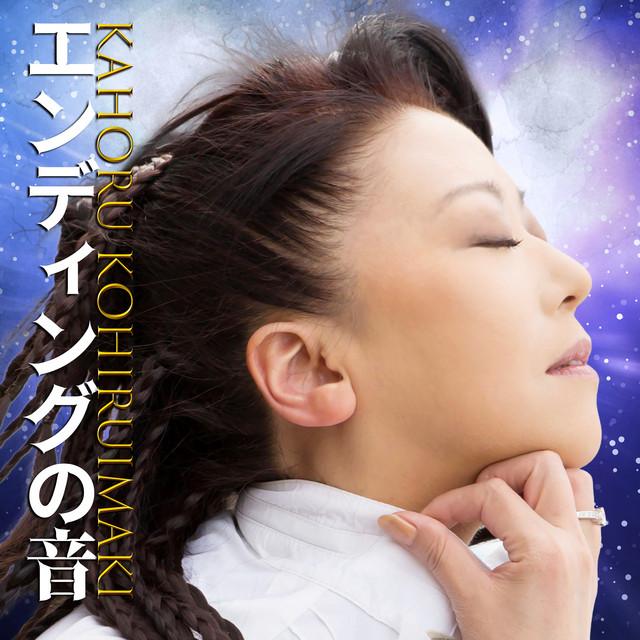
エンディングの音 (Another Mix)
1 track

Kohhy6
12 tracks
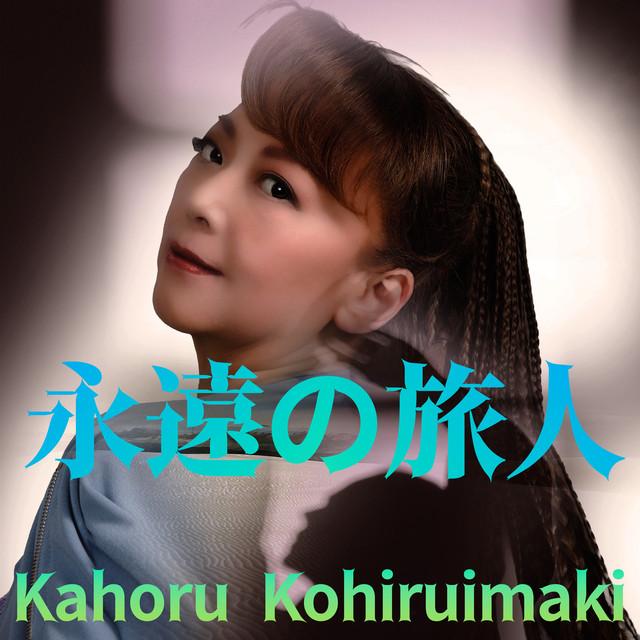
永遠の旅人
1 track
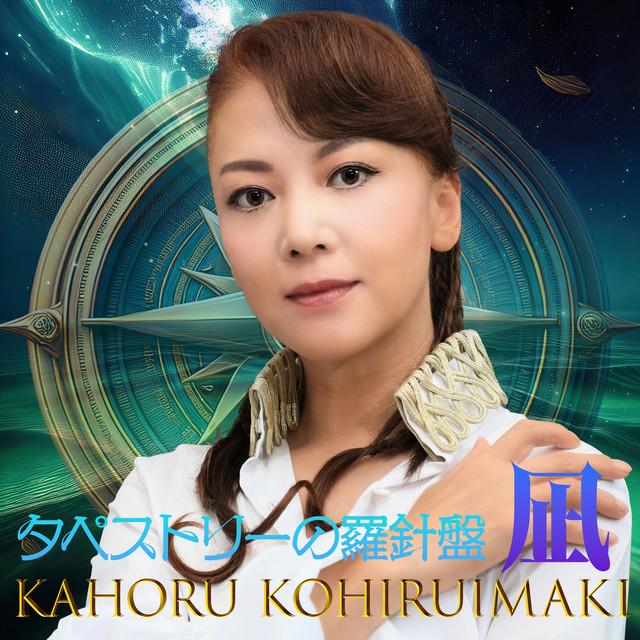
タペストリーの羅針盤 凪
1 track

タペストリーの羅針盤
1 track
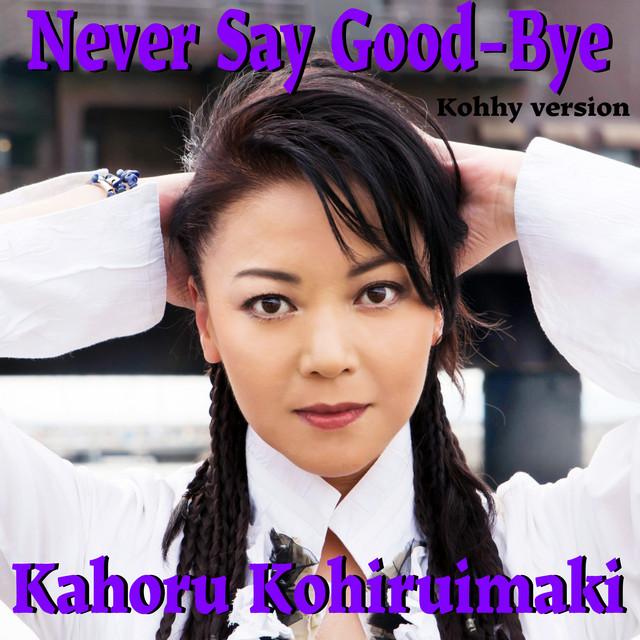
NEVER SAY GOOD-BYE (Kohhyバージョン)
1 track

Kohhy5 +
11 tracks

Kohhy 3
10 tracks
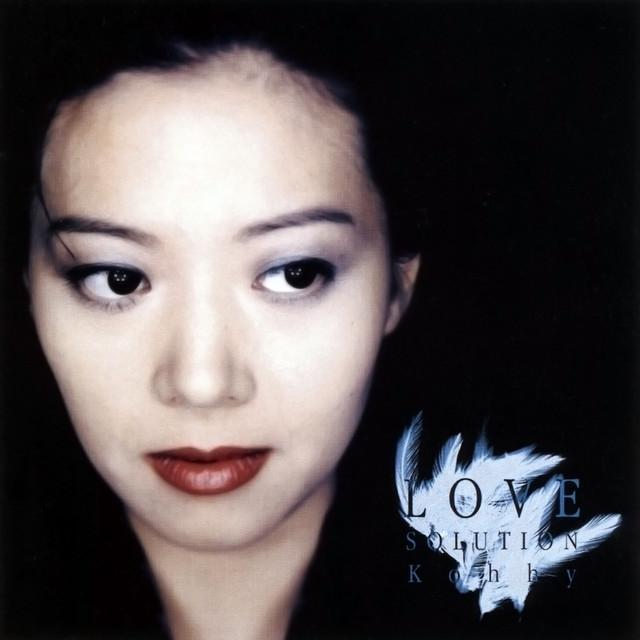
Kohhy 4 Love Solution
10 tracks
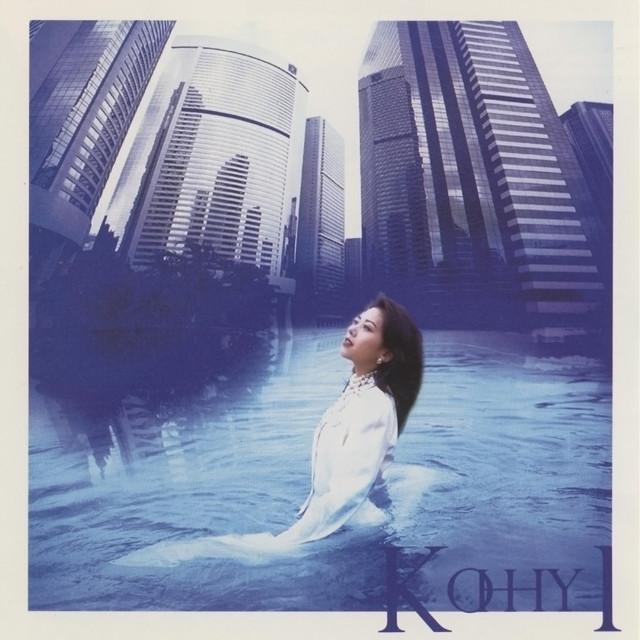
Kohhy 1 Remaster
10 tracks